Regenerative Organic
It’s Farming the Way Nature Intended
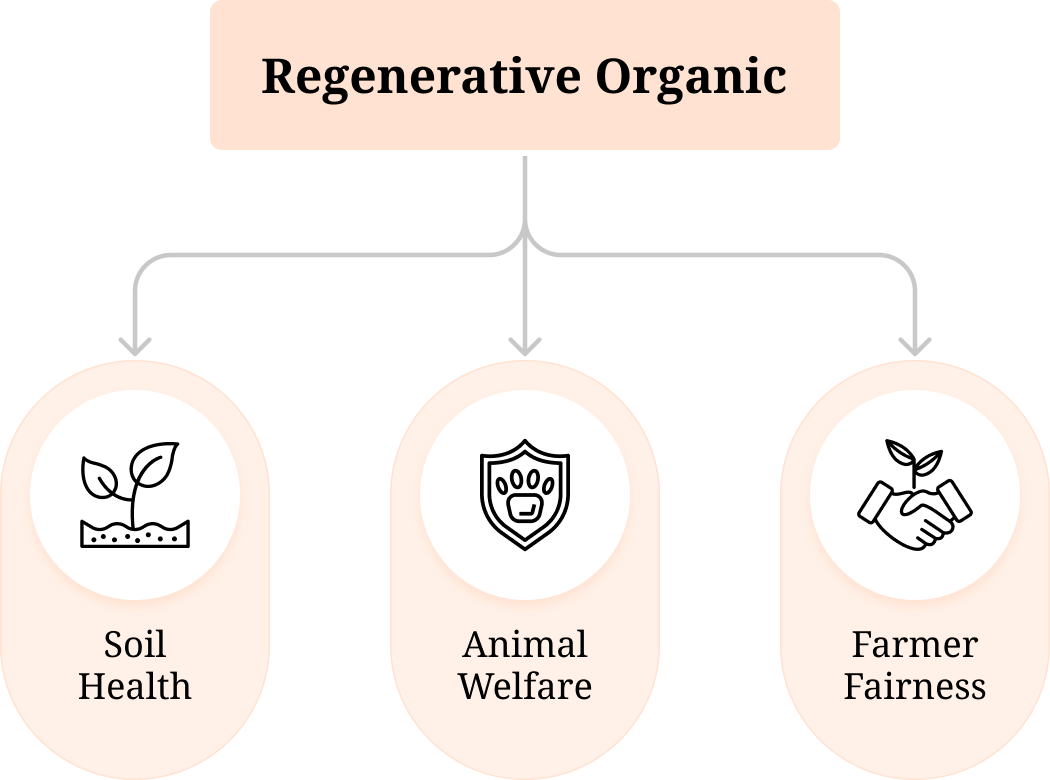
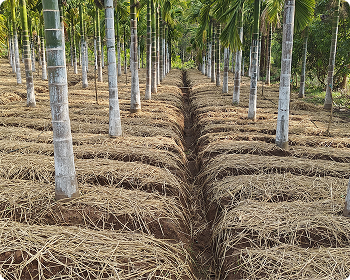
Regenerative agriculture means farming in a way that restores soil health while producing high-quality crops. It focuses on building organic matter, improving soil structure, increasing biodiversity, and reducing dependence on synthetic inputs. Practices like cover cropping, composting, crop rotation, and minimal tillage help soils retain water, store carbon, and support resilient plant growth. For botanicals, this leads to healthier plants, more consistent phytochemical profiles, and long-term farm productivity. It also strengthens farmer livelihoods by lowering input costs and protecting land for future generations.
Why Regenerative Organic Certified (ROC)?
- Builds on USDA Organic + adds soil, animal, and social standards.
- We obtained our ROC™ Bronze Certified in April 2025.
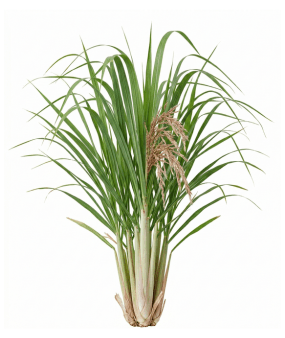
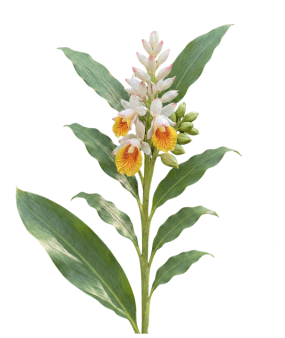
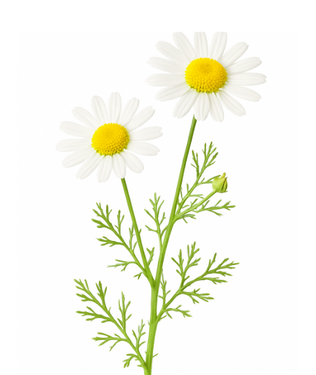
- We offer 100% Ashwagandha, Chamomile, Ginger, Lemongrass, Spearmint, Rose, Turmeric, Fennel, Moringa, Peppermint and more
Why Regenerative Organic Certified (ROC)?
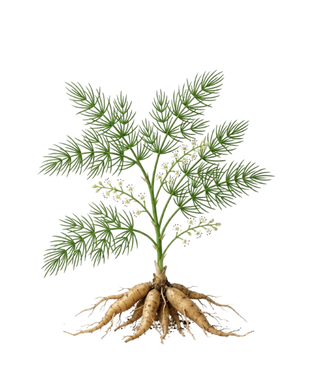
Shatavari
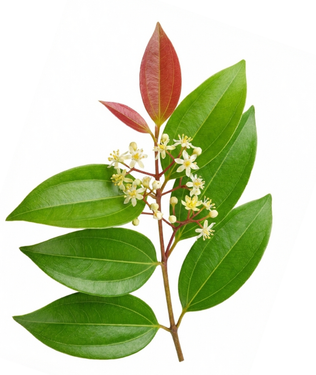
Cinnamon
Lemongrass
Cardamom
Chamomile
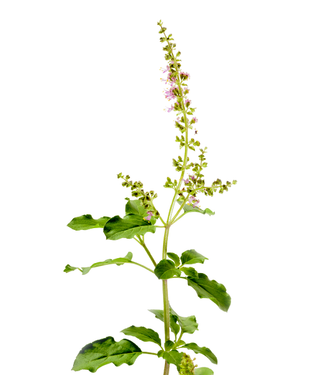
Tulsi
Rose
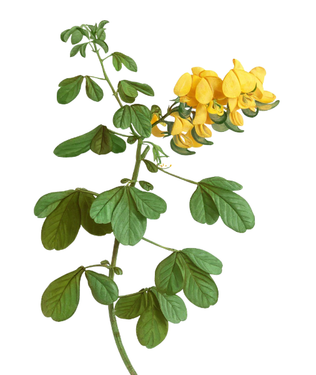
Senna
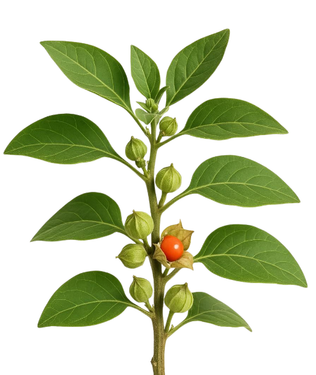
Ashwagandha
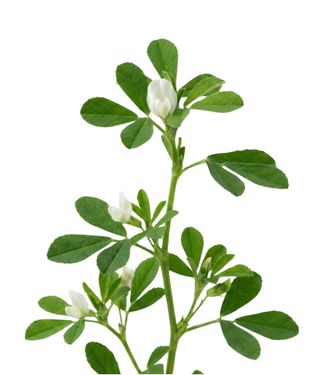
Fenugreek
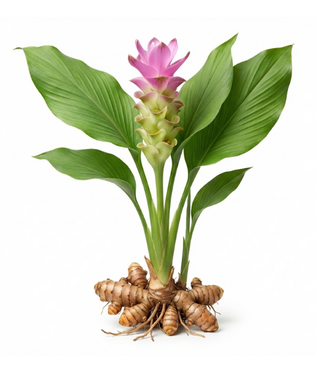
Turmeric
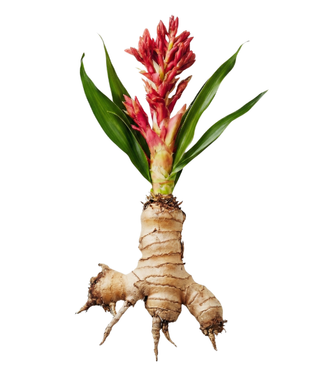
Ginger
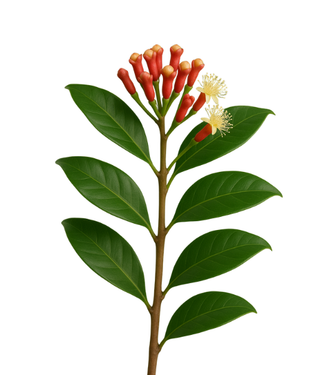
Clove
Innovation in Cultivation
Insights into the innovative practices of organic ginger cultivation
01
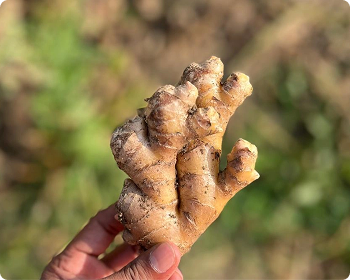
Variety selection
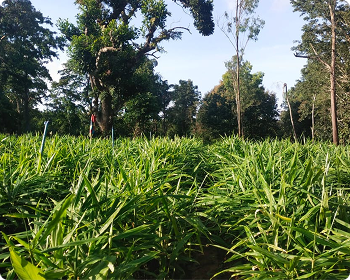
Image of ‘Himachal ginger (low-fibre, moderate pungency). Best suited for growth in Karnataka, India.
02
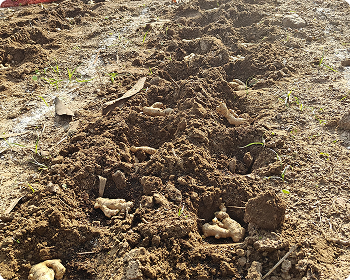
Biofungicide treatment and planting
Rhizome pieces are often treated with Trichoderma viride before planting in plowed beds.
03
Organic manure addition
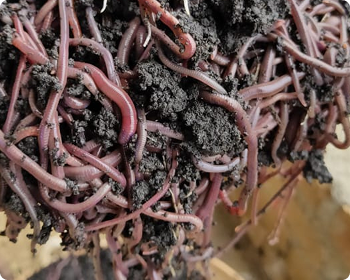
Well-composted manure or vermicompost are often applied at day 45 and 90
after planting
04
Use of biocontrol agent
In place of pesticides, Pseudomonas fluorescens and Bacillus subtilis are added to manage soil-borne diseases
05
Intercropping
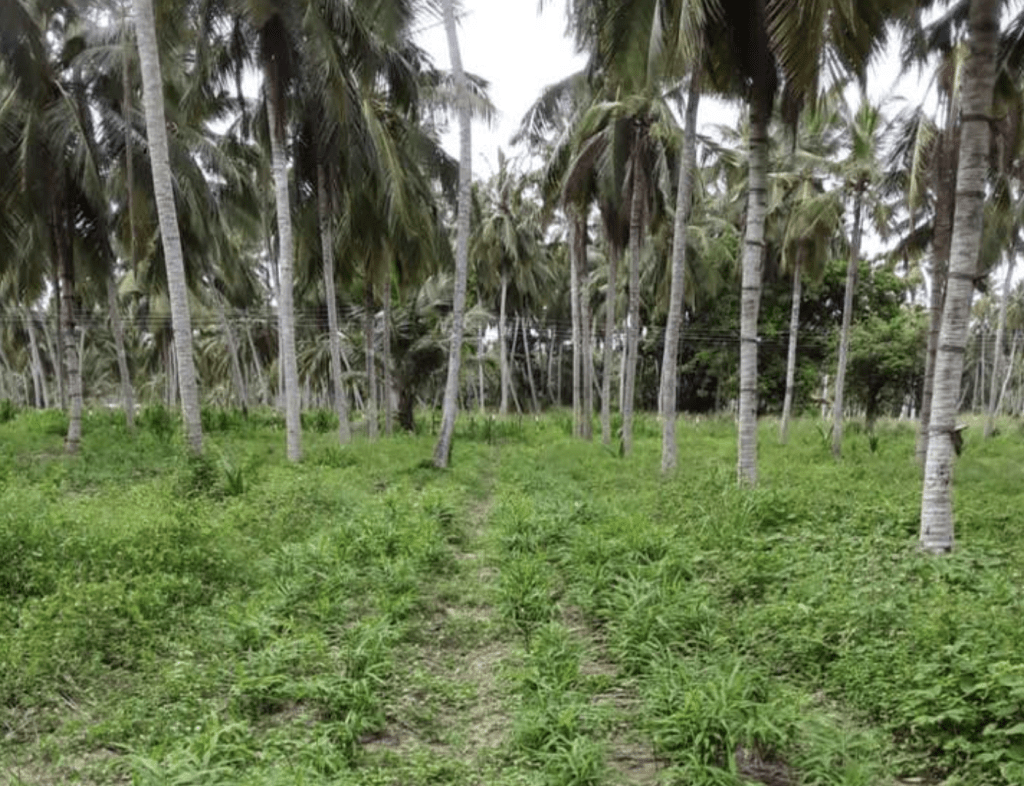
Many small farmers practice intercropping. This can provide partial shade for the ginger, help diversify farm income, and can contribute to pest management.
06
Harvest and crop rotation
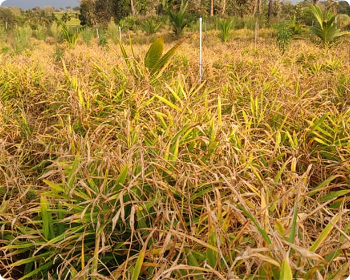
After 8-9 months, when leaves yellow and dry, farmers hand-harvest the rhizomes. Every 3 to 4 years, they practice crop rotation with legumes or cereals to maintain soil nutrients.
Related Blogs

Setting standards for quality
Discover Herb Artizan’s quality standards supported by in-house ISO 17025 certified testing and four testing pillars.

Our Process Is Our Strength
Learn about Herb Artizan’s process strength, utilizing smart equipment and 100% visual inspections for high-quality herbal processing.

Traceable Herbs: Seed to Ship
In today’s global herbal ingredient market, the distance between the farm and your finished product can be vast and complex. This complexity introduces risk—risk of…

Traceable Herbs: Seed to Ship
In today’s global herbal ingredient market, the distance between the farm and your finished product can be vast and complex. This complexity introduces risk—risk of…

Our Process Is Our Strength
Learn about Herb Artizan’s process strength, utilizing smart equipment and 100% visual inspections for high-quality herbal processing.

Setting standards for quality
Discover Herb Artizan’s quality standards supported by in-house ISO 17025 certified testing and four testing pillars.