Tulsi

Ocimum tenuiflorum L.

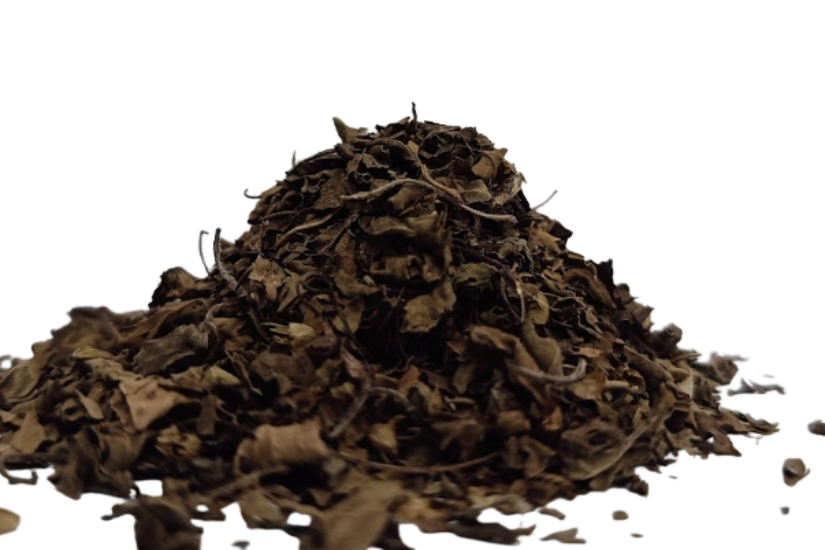
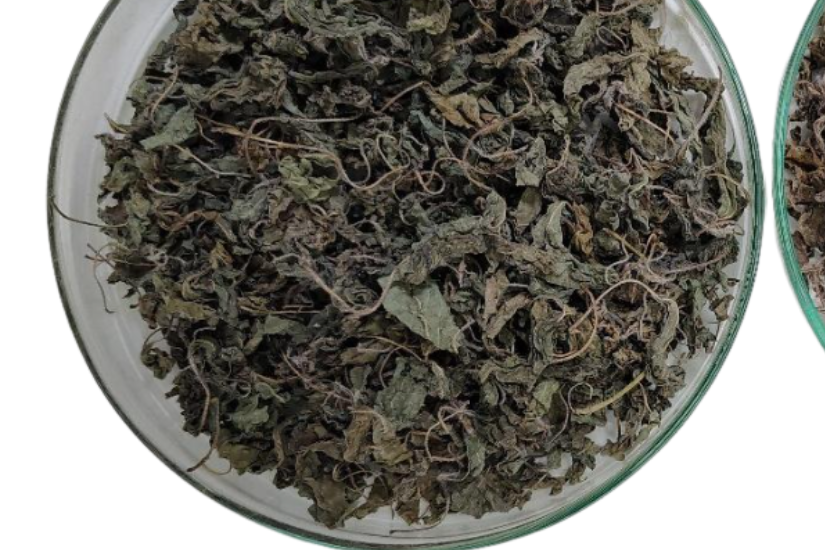
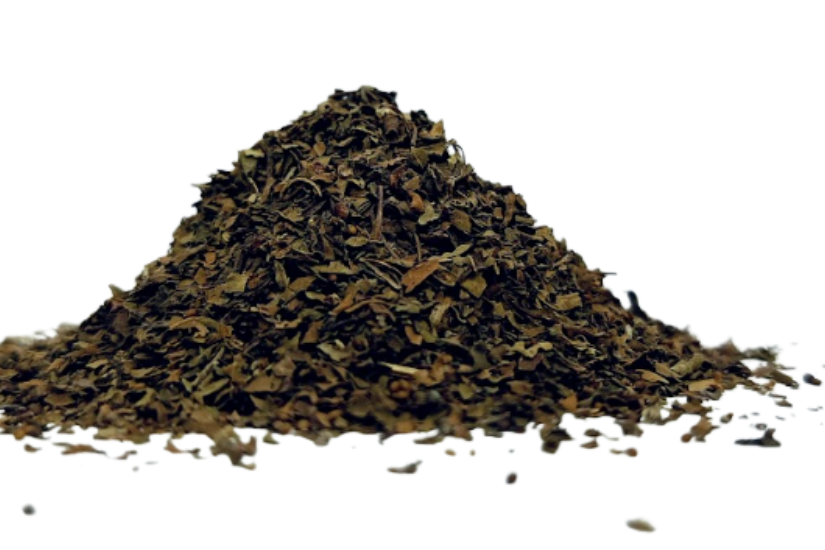
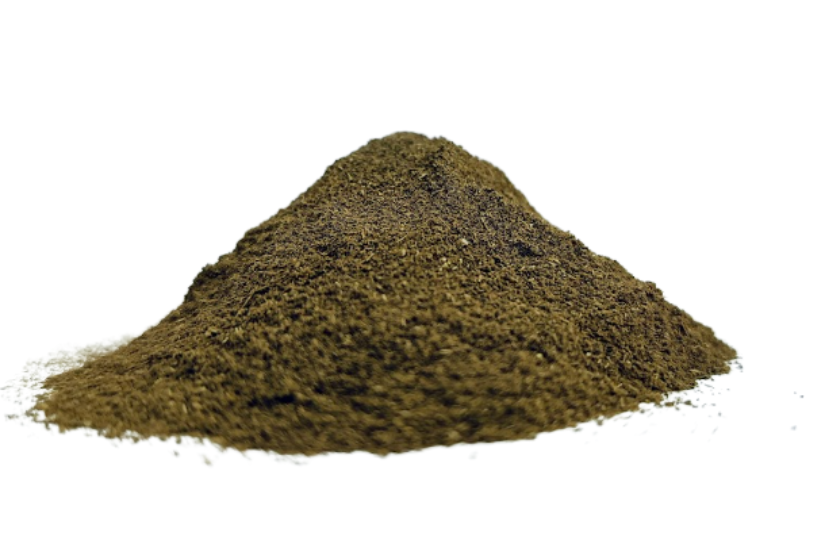
Tulsi, or holy basil, is native to India and planted at home shrines and courtyards. The aroma is clove-like and peppery. Major compounds include eugenol, linalool, and rosmarinic acid. Rama, Krishna, and Vana are common types, each with a slightly different profile. Leaves and tender stems are dried and used in daily rituals, foods, and herbal preparations. And because tulsi bruises easily, gentle drying preserves color and aroma.

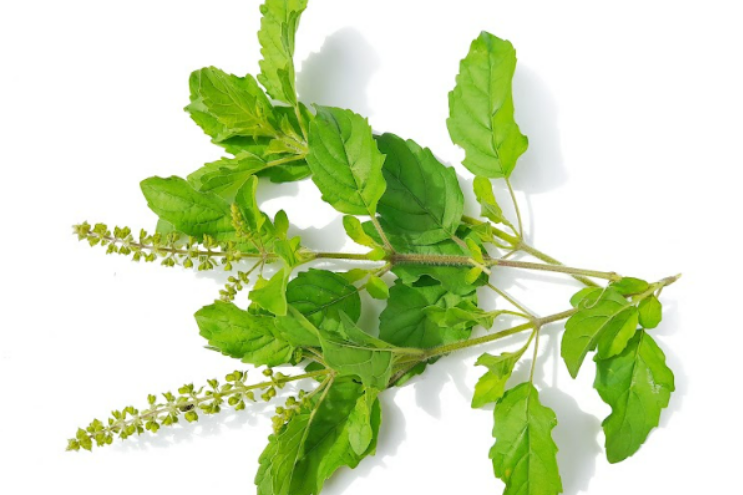
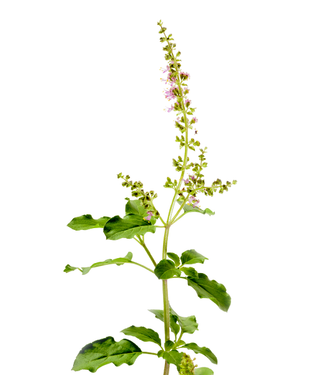
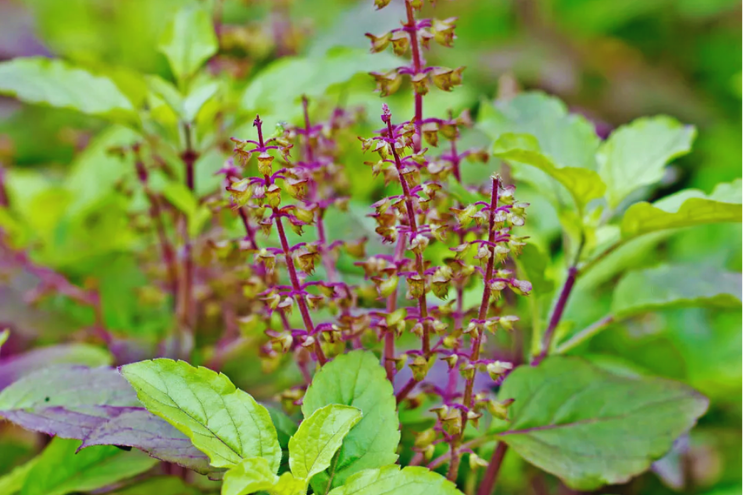
Sacred Tulsi plant Ocimum sanctum with leaves and flowers – holy basil in Hinduism
Tulsi holy basil Ocimum sanctum plant with leaves and flowers – Ayurvedic adaptogen
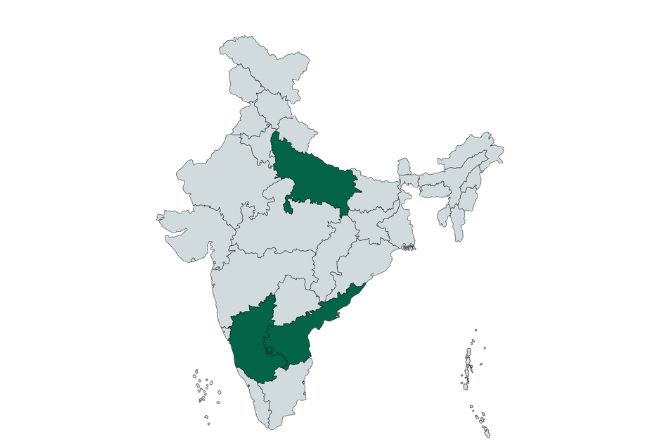
Map of India highlighting major medicinal herb cultivation states in dark green Uttar Pradesh, Karnataka, and Andhra Pradesh
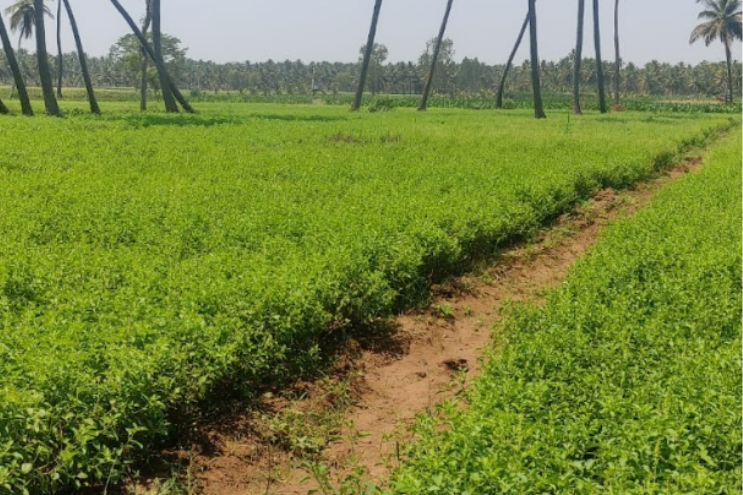
Fresh Tulsi plant (Ocimum sanctum) with green leaves and flowering spike

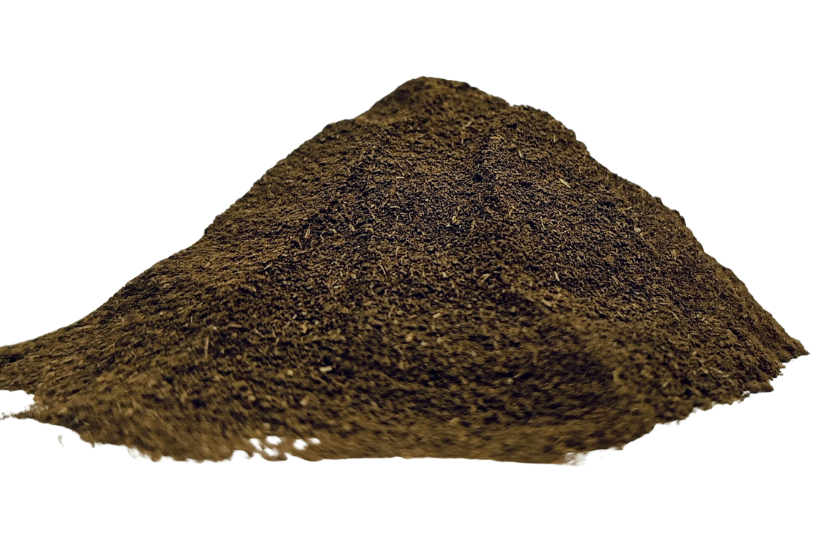
Product Types

Line
Line
Line
Line
Line
Line
Line
Line

Certifications

More Information

Fresh Tulsi plant (Ocimum sanctum) with green leaves and flowering spike

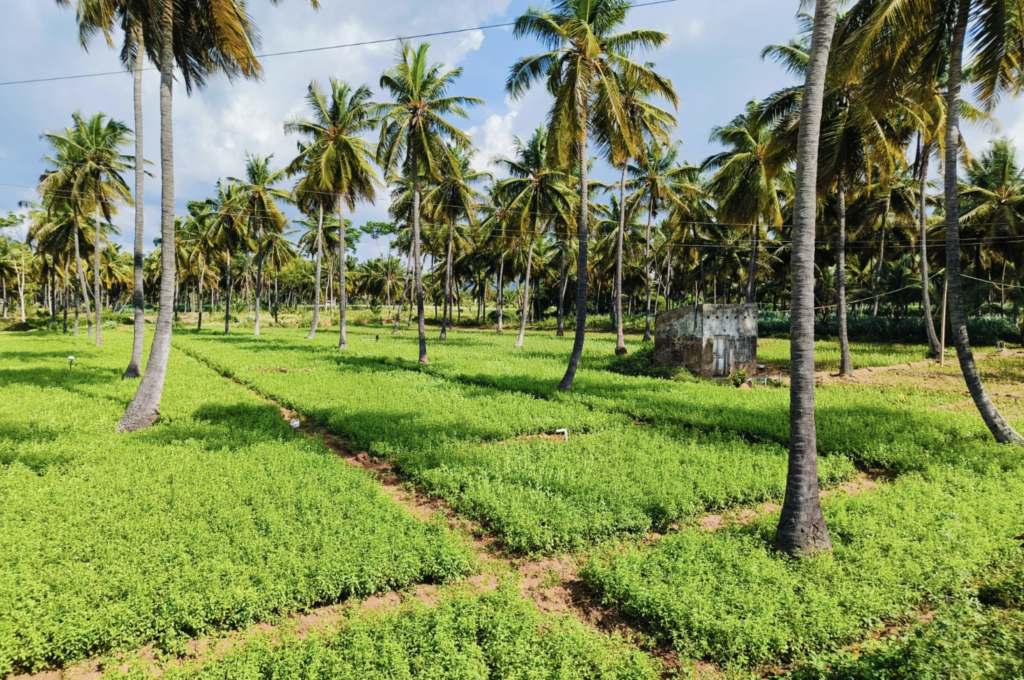
Tulsi is a perennial shrub but is often cultivated as an annual for higher leaf yield. It matures in about 90 to 95 days, with two or three harvests possible each year. An acre produces 4 to 6 tonnes of fresh leaves annually. The best time to harvest is when the plant is in full bloom, as this is when oil content is highest. Tulsi can grow in many soils but is highly sensitive to waterlogging and frost. Root rot and damping-off in nurseries are common. In some areas, Tulsi is grown close to roadsides, which can expose it to dust and contamination. Monitoring ash content and microbial safety is therefore important.


Unlock the Herbarium

Discover the science and story behind our herbs. Enter your email to receive the Herbarium document.

Explore the Quality Map

Learn how we ensure ethical sourcing and transparency. Enter your email to receive the Quality Map document.

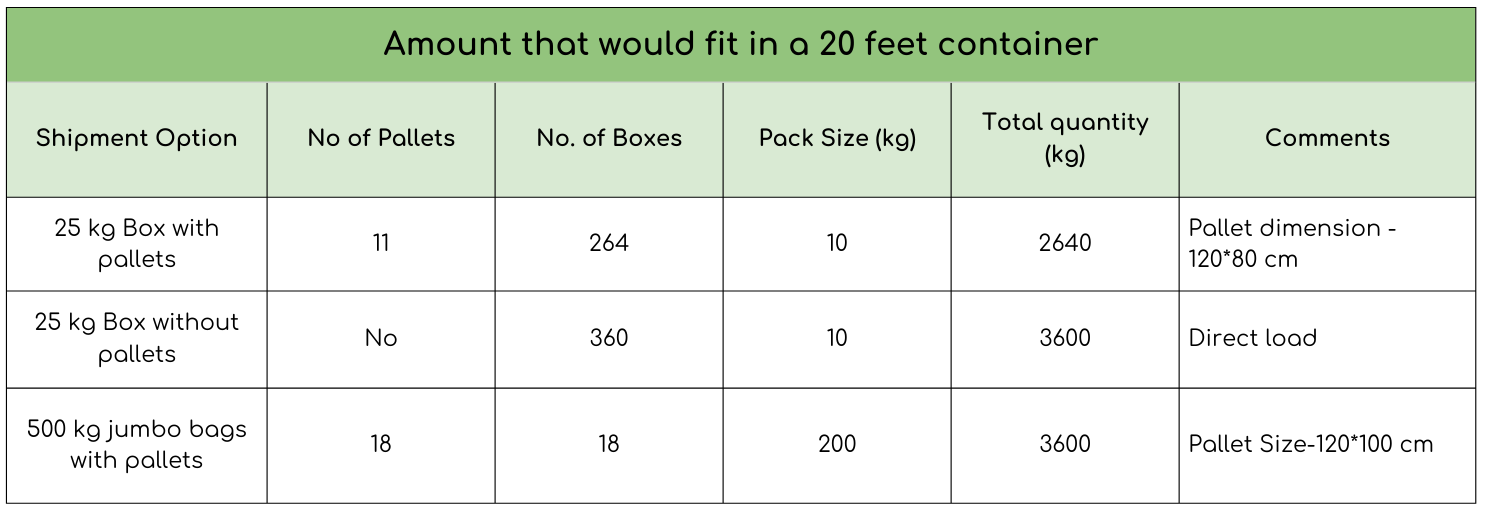
Packaging Details

Shipping data table for 20ft container – packaging and quantity details

Note: These are approximates based on our standard specification for tea bag cut. Changes in particle size or bulk density will affect the packing quantities.
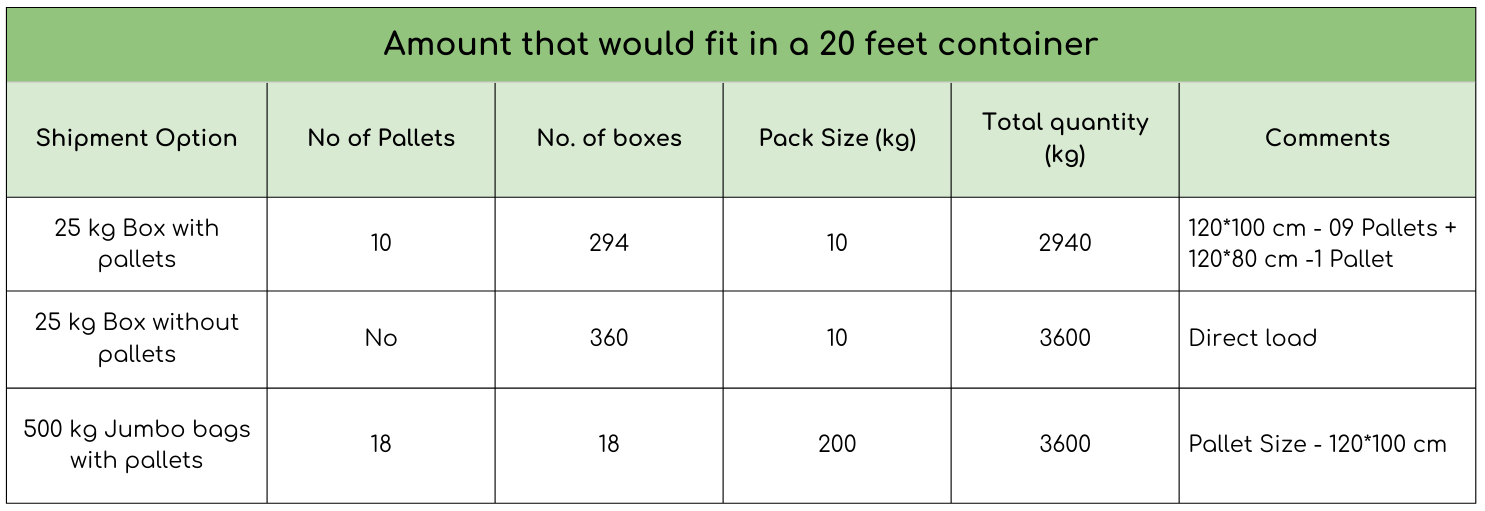
Shipping & Packaging Capacity – 20ft Container Overview

Note: These are approximates based on our standard specification for tea bag cut. Changes in particle size or bulk density will affect the packing quantities.
Trace the Journey of Our Herbs

From the fields where they’re grown to the shelves where you find them, every herb we use is traceable. Learn how we ensure quality, fairness, and sustainability in every step of the process from seed to ship.

Explore Our Range of Products

Shatavari
Asparagus racemosus Willd.
Cinnamon
Cinnamomum cassia (L.) J. Presl.
Lemongrass
Cymbopogon citratus (DC.) Stapf
Cardamom
Elettaria cardamomum (L.) Maton
Chamomile
Matricaria chamomilla L.