

Chamomile Tea
Calm in a cup
| Scientific name: | Matricaria chamomilla L. or Matricaria recutita L. |
| Part used: | Flower heads |
| Classification: | Asteraceae family, which includes daisies, sunflowers, and many other composite flowers. |
| Main growers: | Egypt, Germany, Argentina, India and Hungry. |
| Health benefits: | Stress relief, calming, sleep, and digestive aid. |
History and Nomenclature
The name “chamomile” has a fascinating origin that perfectly captures the essence of this beloved plant. It comes from two ancient Greek words: Khamai, meaning “on the ground,” and melon, meaning “apple.” This charming name paints a vivid picture of chamomile’s nature – imagine tiny, apple-scented blossoms growing close to the earth!
The Carl Linnaeus, the father of modern taxonomy, classified chamomile and gave it the botanical name Matricaria.”Matricaria” likely stems from the Latin word for womb, reflecting chamomile’s widespread use in treating gynecological issues or “diseases of the womb” throughout history.
Health Benefits
Chamomile tea, brewed from dried flower heads, has long been cherished for its calming and relaxing properties. This fragrant herbal tea is packed with phenolic compounds, especially the flavonoids apigenin, quercetin, patuletin, luteolin, and their glucosides, which contribute to its impressive health benefits. The essential oil extracted from chamomile flowers contains key components like the terpenoids α-bisabolol and its oxides, and azulenes such as chamazulene.
Chamomile tea is renowned for its ability to aid sleep and relaxation, making it a perfect bedtime companion. Its mild sedative effects can help reduce anxiety and promote restful sleep. Additionally, chamomile’s antispasmodic and carminative properties make it an excellent digestive aid, soothing occasional cramps and discomfort in the gastrointestinal tract, and alleviating gas and bloating*.
While chamomile also exhibits moderate antioxidant and antimicrobial activities, and animal studies have demonstrated its potent anti-inflammatory effects. Chamomile is generally safe for most people, but adverse reactions have been reported, particularly among those with allergies to other plants in the daisy family (Asteraceae or Compositae). So, if you’re looking to enjoy a soothing, health-boosting cup of chamomile tea, be mindful of any potential allergies.
Stress relief
Calm
Sleep
Digestion
Flavor Profile
Floral and Sweet – Chamomile tea is best known for its gentle floral notes, reminiscent of a blooming garden in spring. The sweetness is natural and subtle, often compared to the mild, honeyed aroma of freshly picked flowers. This makes it a perfect choice for those who prefer a light and fragrant cup of tea.
Apple-like Hints – Many people detect a faint apple-like flavor in chamomile tea, adding a pleasant fruity undertone to its floral bouquet.
Herbal and Earthy – Beyond its sweetness, chamomile carries a mild herbal and earthy quality. This grounding aspect of its flavor profile contributes to its reputation as a calming and relaxing beverage.
Smooth and Mellow – One of the standout characteristics of chamomile tea is its smooth, mellow body. It lacks the bitterness often associated with other herbal infusions, making it exceptionally easy to drink and enjoy, especially before bedtime.
Quality Indicators
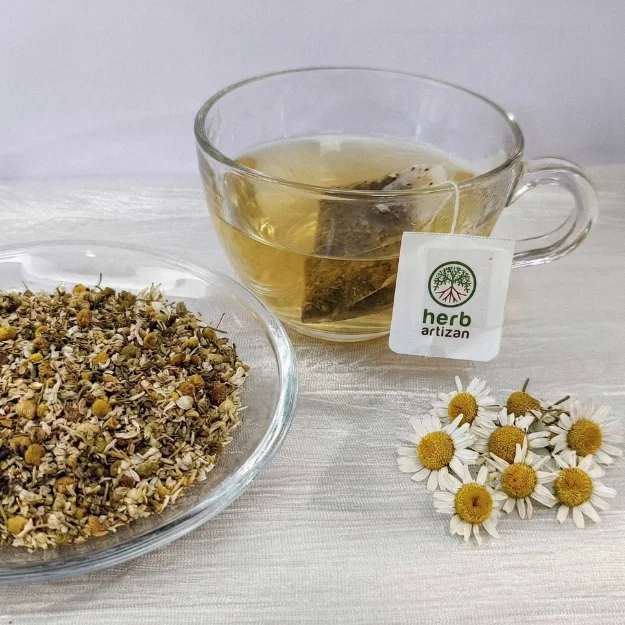
Appearance – High-quality chamomile tea is made from whole, dried flower heads. Look for teas that contain a vibrant mix of yellow and white blooms. Avoid products that are overly crushed or powdery, as this can may include non-floral parts and impart less flavor.
Aroma – The aroma of good chamomile tea should be fresh, floral, and slightly sweet. When you open a bag or container of chamomile, the scent should evoke the feeling of being in a field of blooming flowers. Any musty or stale odor is a sign of inferior quality or improper storage.
Taste – When brewed, chamomile tea should have a clean, crisp flavor with distinct floral and apple-like notes. The infusion should be smooth, without any harsh or bitter aftertaste. If the tea tastes flat or lacks complexity, it may be a sign of poor quality or age.
Color – A properly brewed cup of chamomile tea typically has a clear, golden hue. The color should be bright and inviting, not dull or muddy. This visual appeal is a good indicator of both the quality of the tea and the care taken during its preparation.
Origin and Sourcing – Knowing where your chamomile tea comes from can also be a quality indicator. Having traceability back to its source ensures the herb has been taken care of. Additionally, choosing chamomile that is certified organic ensures that you are consuming a product free from pesticides and other harmful chemicals.
Legal Notice: This article provides general information on the herb's nomenclature, flavor, quality, and benefits for educational purposes only. It is not medical advice. Every individual is different. Consult a qualified healthcare professional before using any herbal product or supplement.
© Nikita Agarwal (PhD) 2024
Related Blogs

When the Soil comes back to Life
The science, economics, and common sense behind organic agriculture from farmers and agronomists who made the switch.
Chamomile Tea
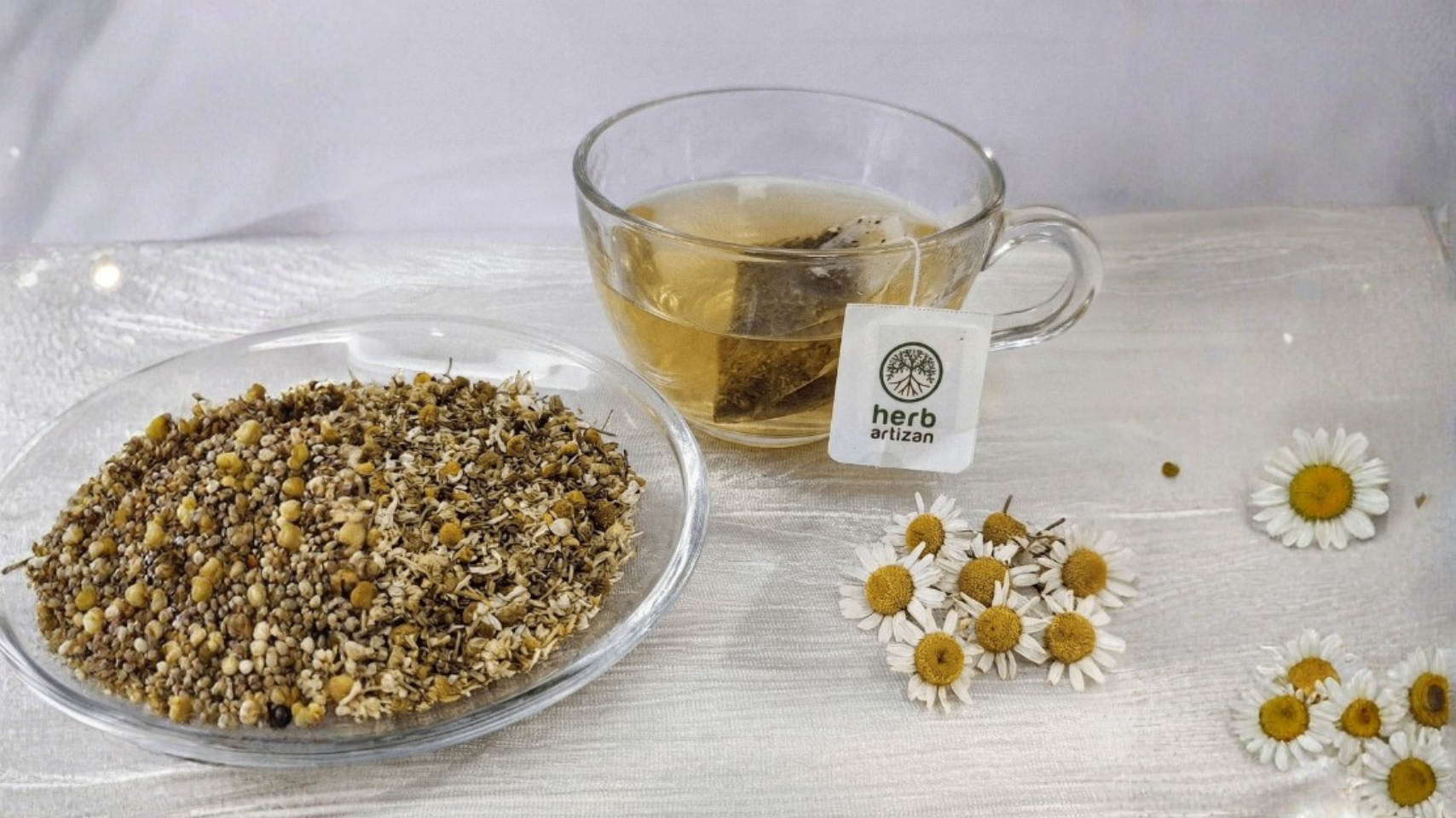
The name “chamomile” has a fascinating origin that perfectly captures the essence of this beloved plant
Cinnamon Tea
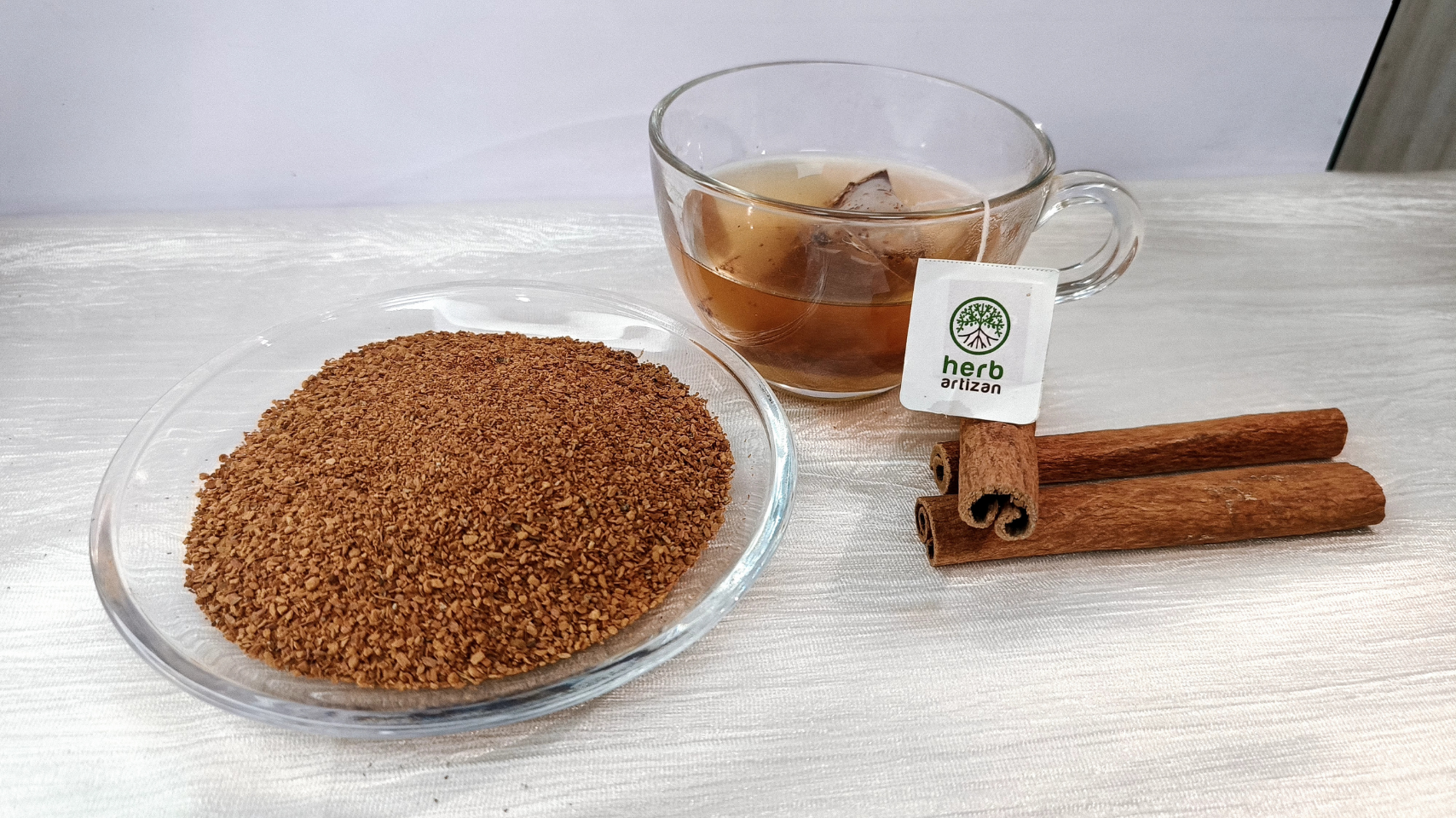
Cinnamon has a rich history dating back thousands of years. The name “cinnamon” is

When the Soil comes back to Life
The science, economics, and common sense behind organic agriculture from farmers and agronomists who made the switch.

Our ICS group
The chamomile was spread out on white tarpaulins. Men and women turning it by hand in the

Chamomile Tea
The name “chamomile” has a fascinating origin that perfectly captures the essence of this beloved plant

Cinnamon Tea
Cinnamon has a rich history dating back thousands of years. The name “cinnamon” is