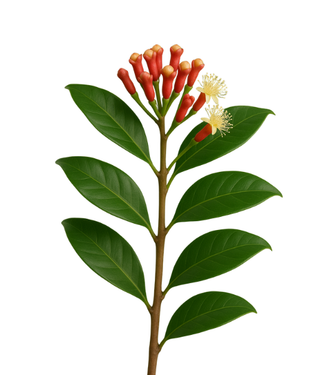
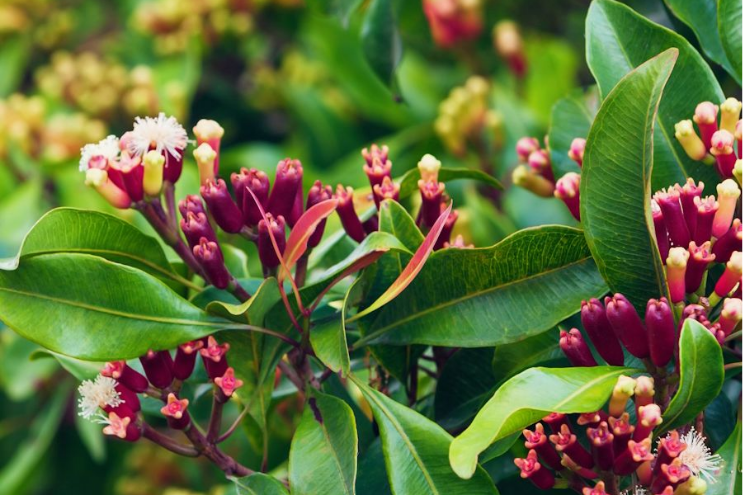
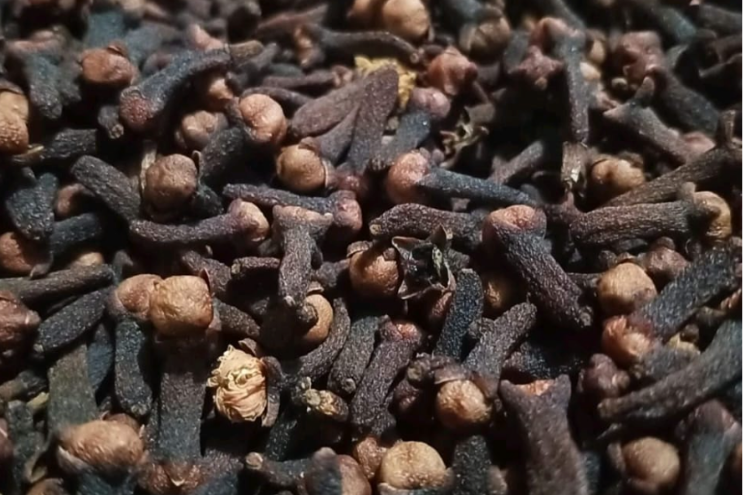
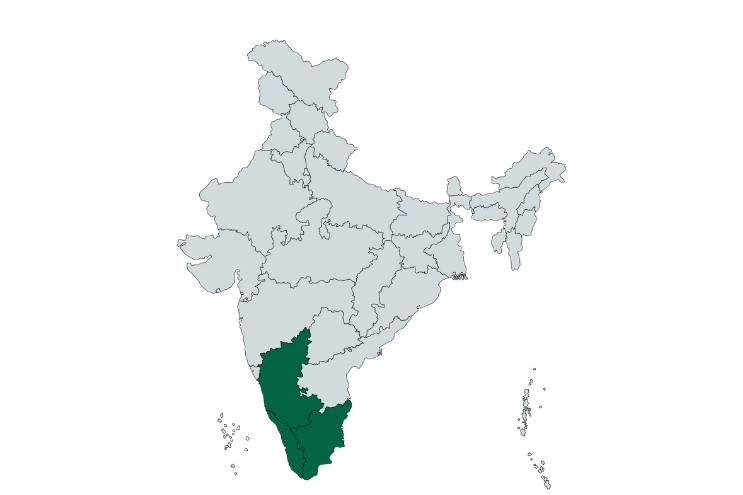
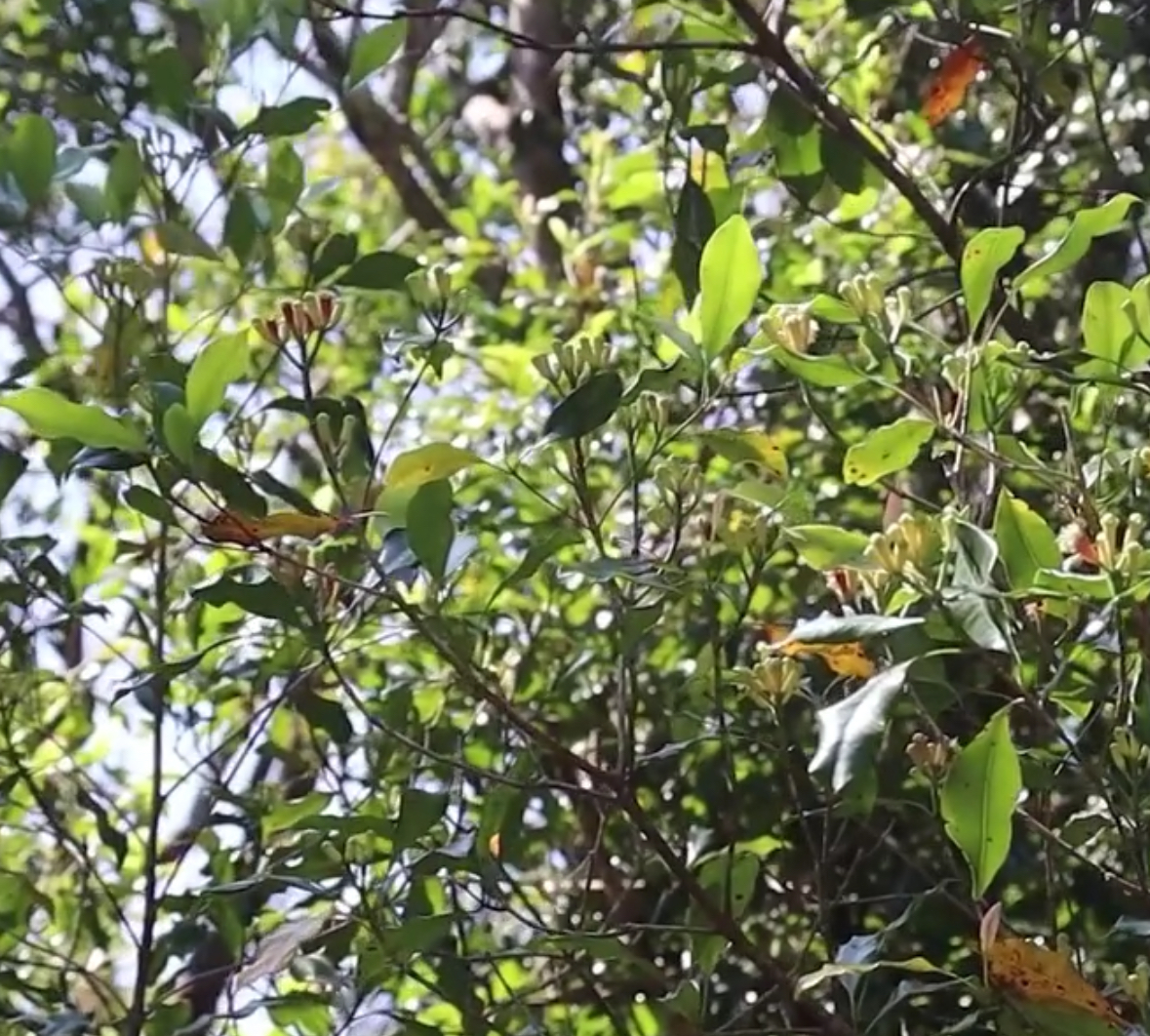
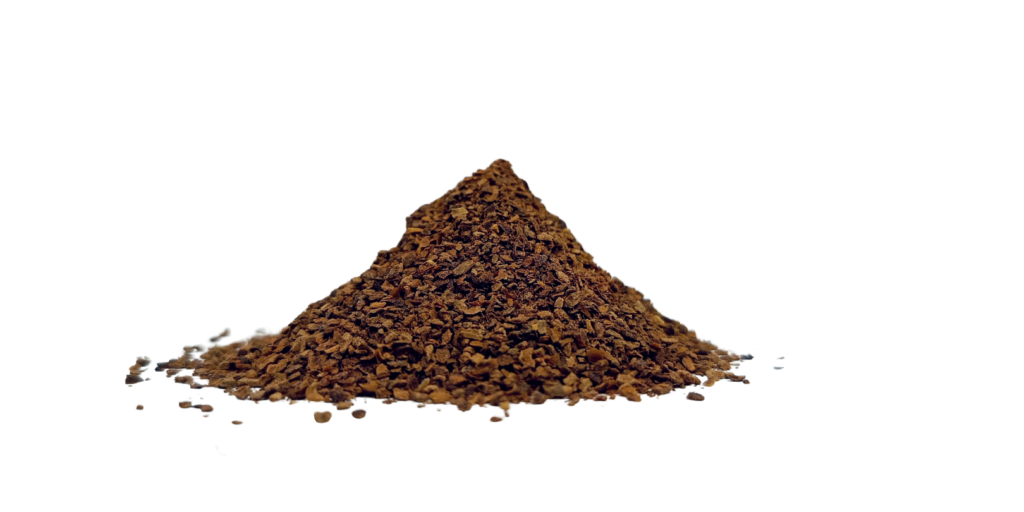
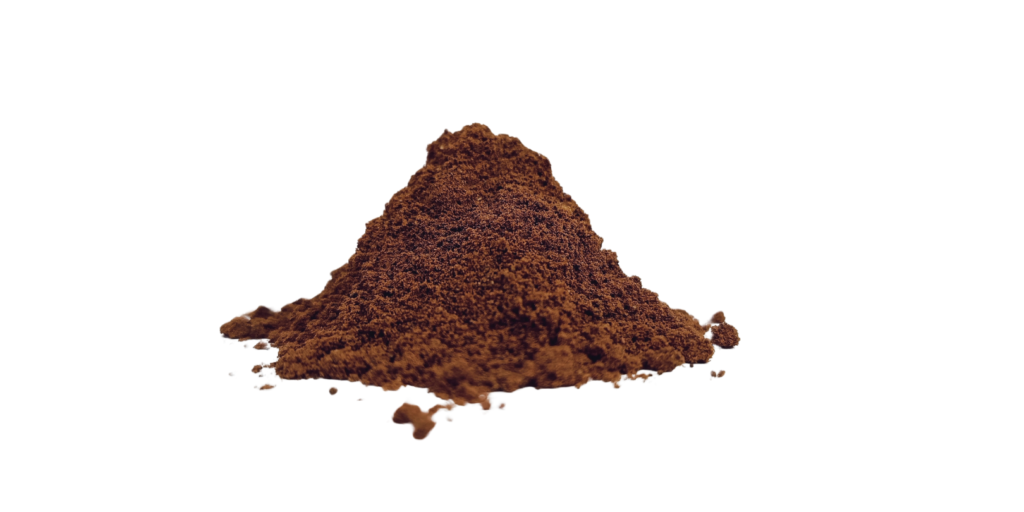
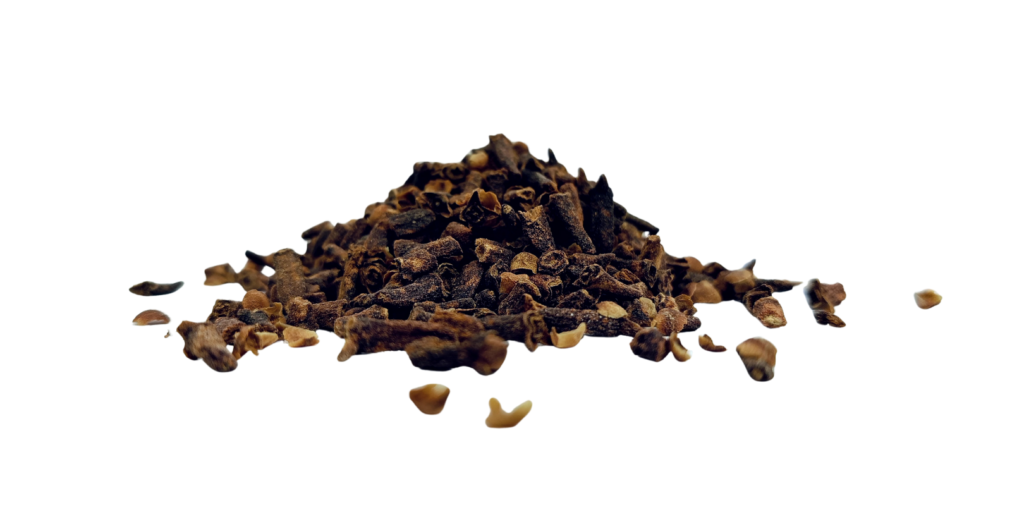
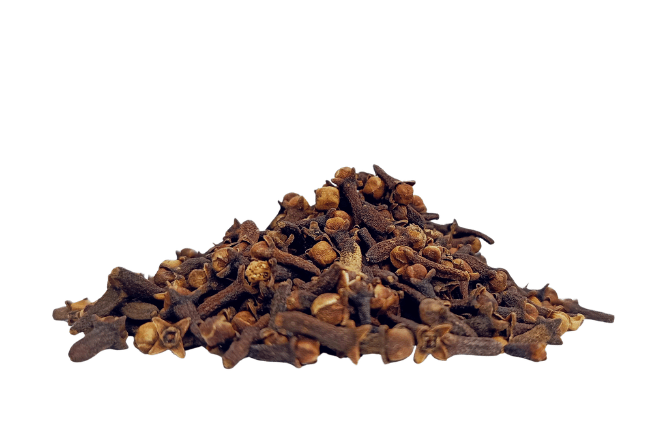
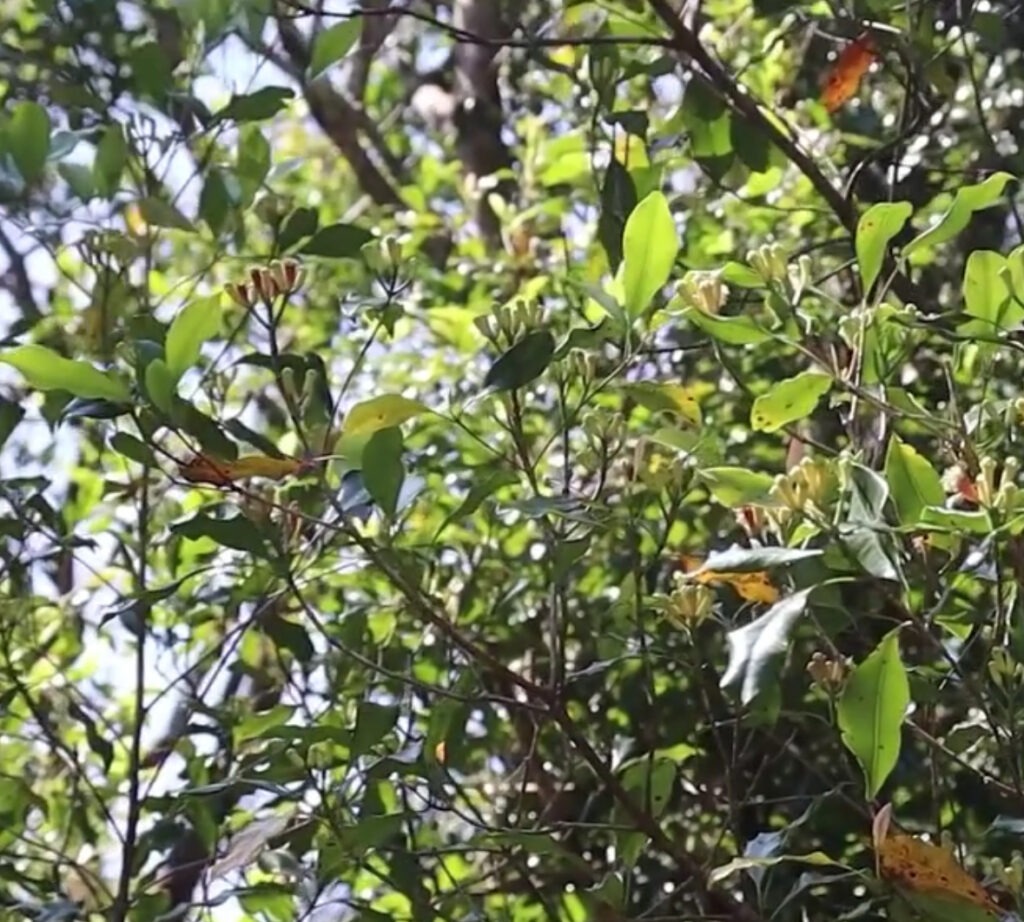
Clove is a long-lived evergreen tree with a productive life of more than 80 years. Flowering begins 6 to 8 years after planting, with trees reaching peak production at 15 to 20 years. A mature tree can produce 2 to 3 kilograms of dried flower buds each year. Buds must be picked just before they open and dried for 5 to 7 days until they turn dark brown. Clove is generally resistant to pests because of its high essential oil content, but problems like stem borers and seedling wilt can still occur. The main quality concern is variability in oil content. In the hills of South India the trees are grown on well‑drained, organic‑rich soils under natural shade. Farmers raise clove from seed in nurseries, then transplant young trees at wide spacing and care for them for several years before they start bearing. Flower buds are harvested entirely by hand at the greenish‑pink stage, with workers climbing trees or using ladders, then buds are carefully separated and sun‑dried for several days to lock in aroma. After drying, farmers clean, sort and pack the cloves to protect them from moisture and mould, but face challenges including slow tree growth, demanding soil and climate needs, high labour dependence at harvest, ageing plantations and fluctuating prices.
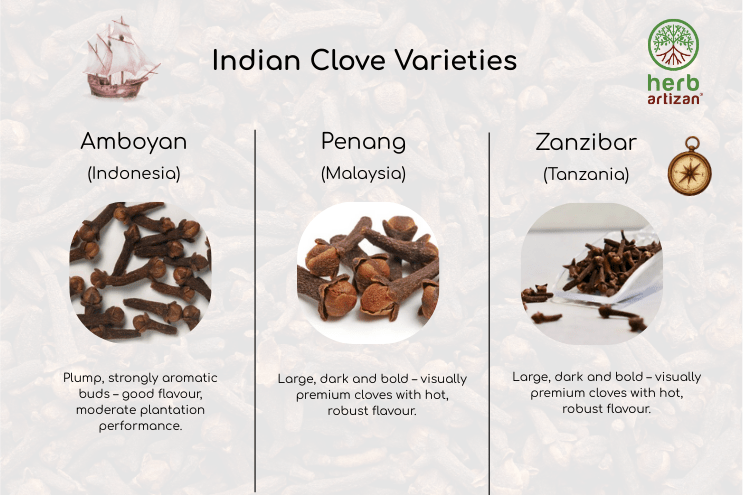
In Indian commerce, we find three main clove varieties by origin: Amboyan, Penang and Zanzibar. Amboyan cloves are large and plump, with full heads and a strong, warm aroma, but the type is not as dominant in trade and plantations are considered less productive. Penang cloves are also large, dark and visually bold, offering a hot, robust flavour and rich aroma, making them attractive where appearance and strong taste are both important. Zanzibar cloves are smaller and more slender, yet highly aromatic with a sweet‑strong flavour and very high oil reputation, and they are widely regarded as a global quality benchmark. At Herb Artizan, we are still learning to distinguish between them and may be able to offer select varieties in the future.