
FAIR AT EVERY STEP
Why Fair for Life matters
Sometimes the real stories behind herbs are the ones least told. Stories of the people who bring them to life. The ones who plant, harvest, dry, clean, sort, and prepare what many of us use without ever seeing the work behind it.
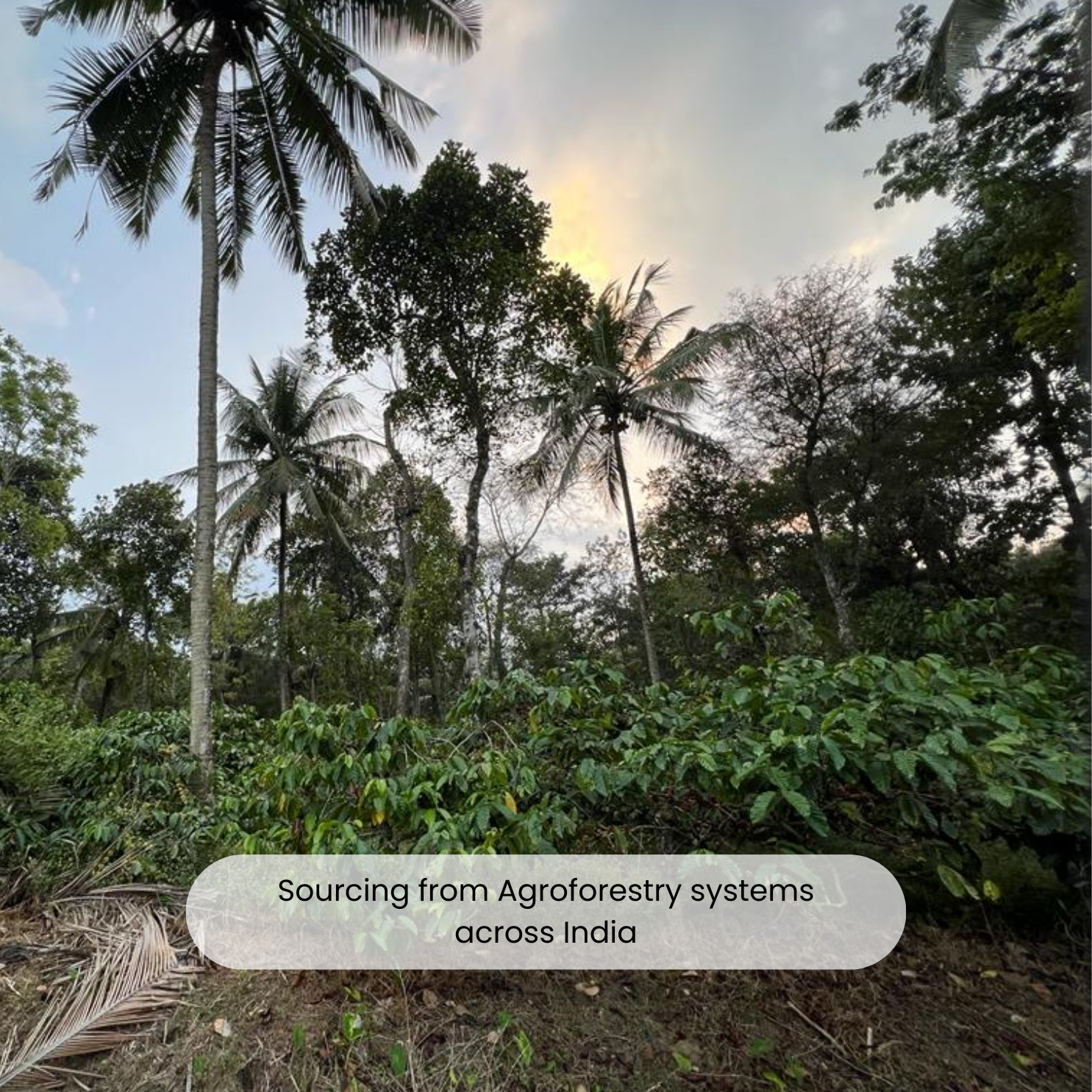
Many of the herbs used in wellness products begin their journey in fields or forests across rural India. Those working there often live far from systems designed to protect their time, effort, or well-being. Fairness, in most cases, is assumed. It is rarely guaranteed.
The reality behind the supply chain
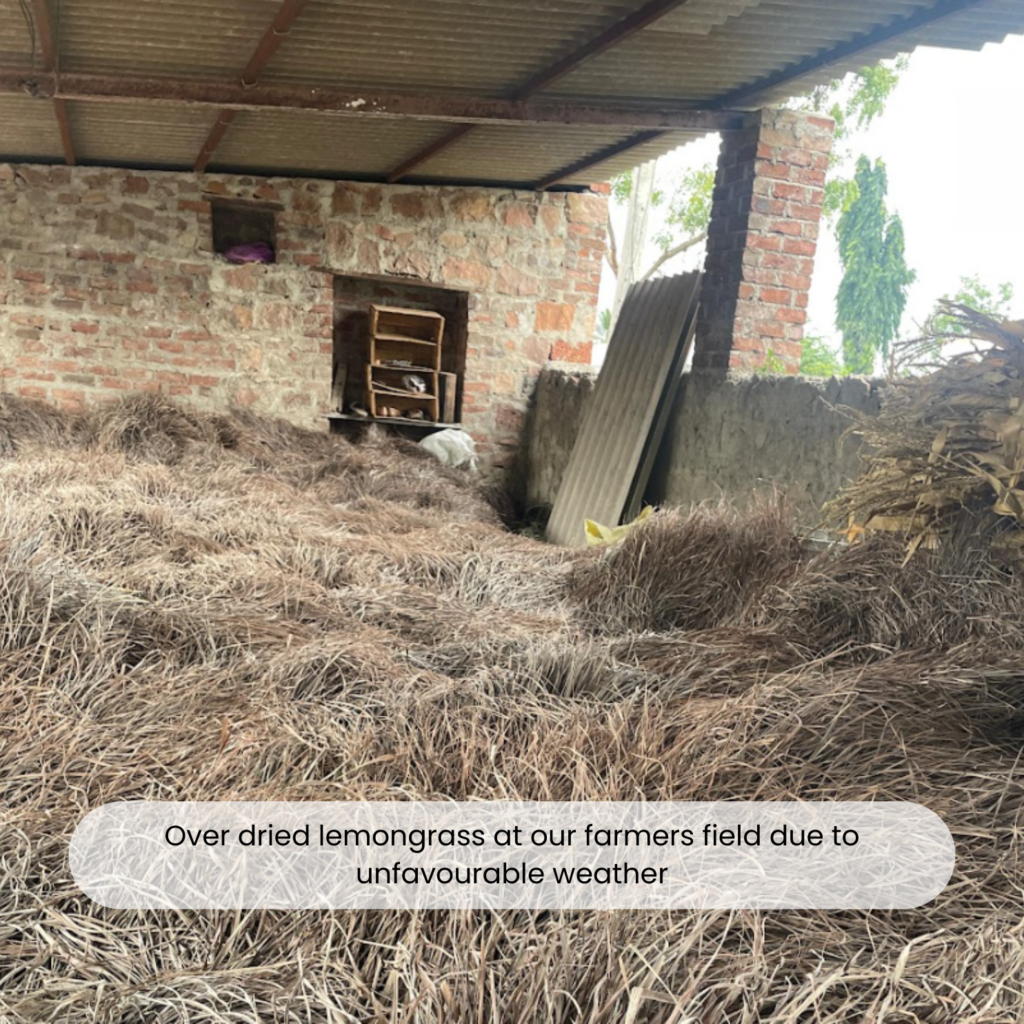
Small farmers are often at the mercy of unpredictable weather, shifting market prices, and limited access to credit or support. These are not always visible challenges. But they are realities.
Wild harvesters may walk hours to gather herbs from forests. The work is physically demanding. Services like medical care or schooling are not always nearby. Incomes can shift from season to season.
This is the ground from which our herbs emerge. And while one company cannot fix a system, it can choose to participate differently.
Why fairness needs to include people
Organic farming protects the land. It avoids synthetic inputs, supports soil health, and helps preserve biodiversity. But sustainability must also include the people who work that land.
The FFL certification brings people into focus. It asks whether those involved in production are being treated with fairness. It sets minimum standards for wages, working conditions, and workplace protections. It establishes a system for contributing to community welfare projects through a designated premium fund.
FairWild extends this idea to wild harvesting. It safeguards ecosystems by limiting overharvesting. It protects harvesters by requiring ethical sourcing practices. It promotes plant population recovery and environmental balance.
What the Fair For Life logo represents
When you see the FFL logo on a product it means the following are taken care of:
Funding community welfare projects through a premium system
Ensuring safe, respectful working environments
Paying fair wages that reflect living conditions
Prohibiting child labor, forced labor, and discrimination
Protecting biodiversity and supporting responsible resource use
Funding community welfare projects through a premium system
Ensuring safe, respectful working environments
Paying fair wages that reflect living conditions
Prohibiting child labor, forced labor, and discrimination
Protecting biodiversity and supporting responsible resource use
Administered by Ecocert, a globally recognized certifier, FFL standards are upheld through annual audits. Supply chains are reviewed ethical soundness along with operational practices. It is a structure that holds space for fairness to be traceable, accountable, and real.
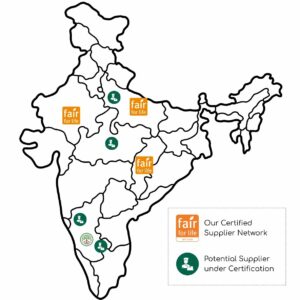
Our FFL network

We currently have a network of three FFL-certified farmer groups. We are actively working to build our FFL network to diversify offerings, grow capacity, and reduce sourcing risks.
We are also in the process of making our own (Internal Control System) ICS groups.
How biodiversity is understood
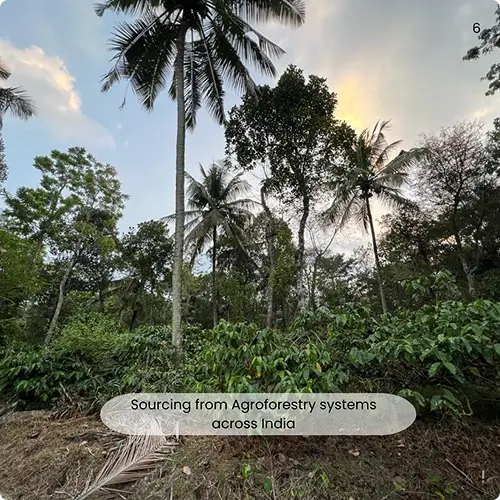
FFL doesn’t stop at people. It also asks: what lives around the field? What else belongs to this ecosystem?
A biodiversity diagnosis is a required part of the certification process. It includes:
- Mapping of Surrounding Areas: Documenting the nearby landscapes including forests, farmland, and water bodies to understand the ecological setting.
- Identifying Common and Local Species: Recording the presence of plants, birds, and wildlife that are typically found in the region.
- Cataloging RET Species Maintaining a register of rare, endangered, and threatened species to highlight conservation priorities.
Wild harvesting especially depends on this balance. Knowing what else grows in and around a harvesting area helps ensure that today’s needs do not deplete tomorrow’s landscapes.
Our small effort within a larger whole
No single company can shape an entire system. And no certification can carry every answer.
$25,650+ in first-year farmer certification fees
5% reserved for community welfare
$50,160+ in premiums paid
Supporting 5 certified farmer networks in India
$34,670+ in first-year farmer certification fees
5% reserved for community welfare
$66,650+ in premiums paid
Supporting 3 certified farmer groups in India & Vietnam
Within these structures are smaller stories. At one resolution meeting, for instance, a group of laborers discussed the physical strain of repetitive work. A portion of the welfare fund was then directed toward a pepper peeler machine. This decision was the result of a conversation among people doing the work.