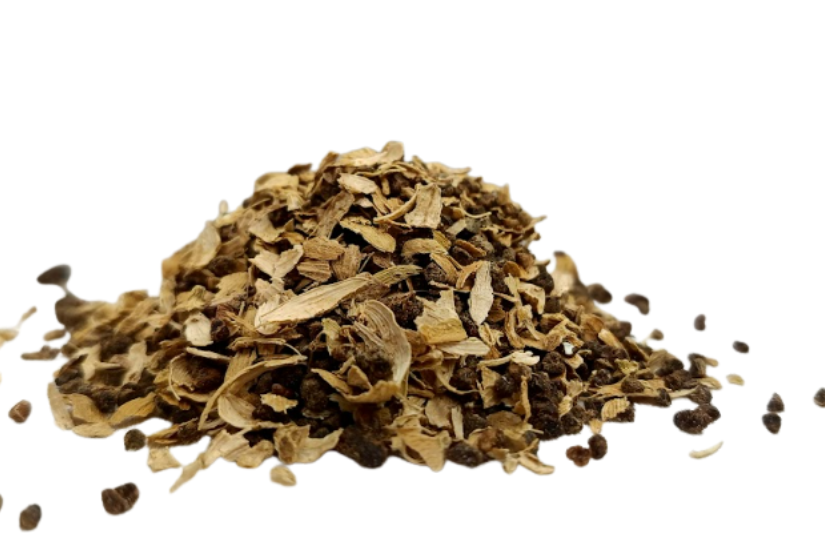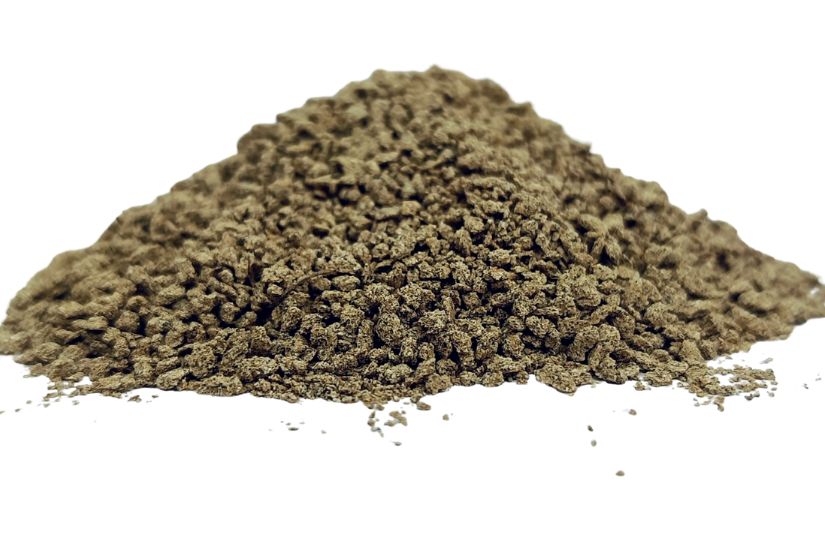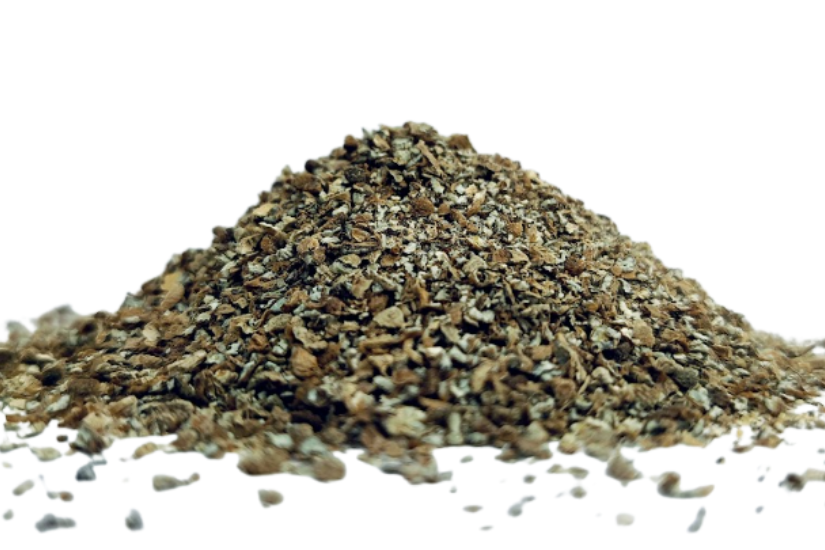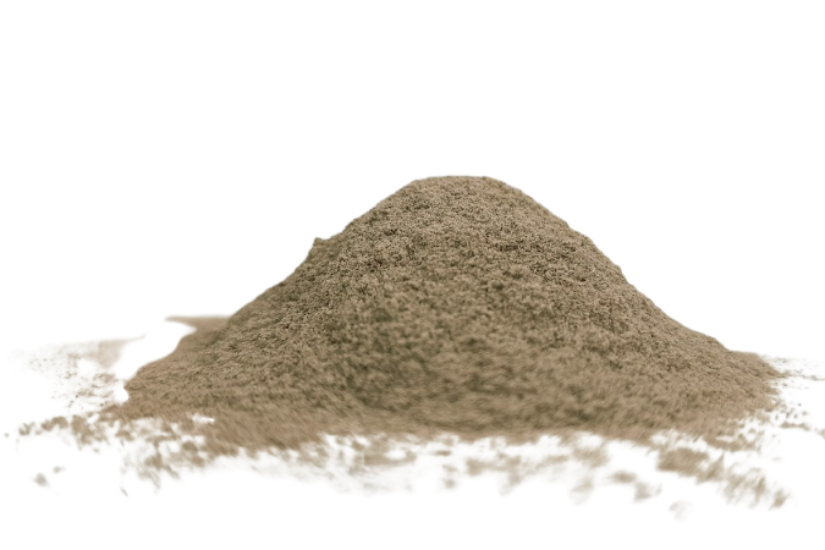
Cardamom

Elettaria cardamomum (L.) Maton

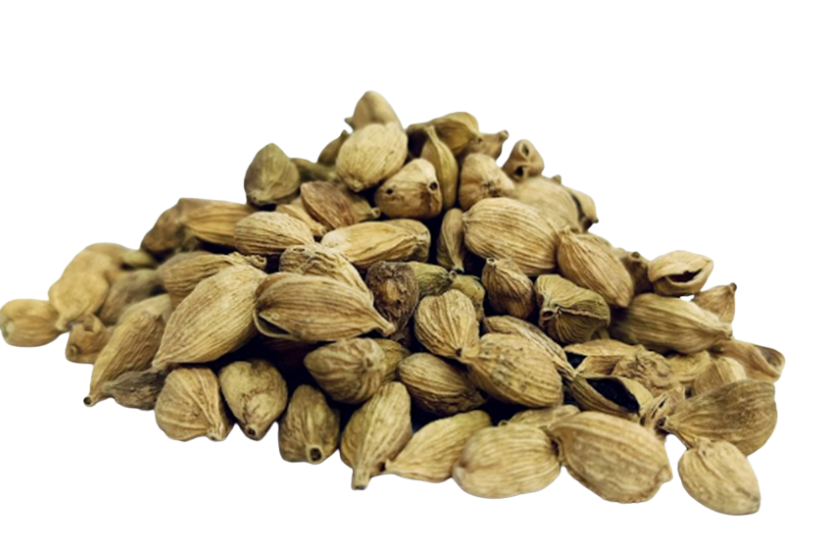
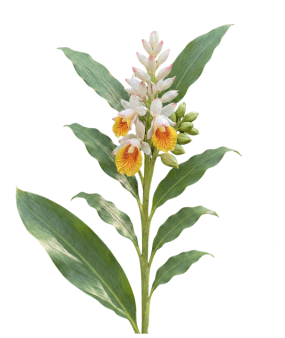
Native to India’s Western Ghats, cardamom is called the “queen of spices.” The flavor is cool, camphoraceous, and sweet. Key volatiles include 1,8-cineole and α-terpinyl acetate. India grows both bold and extra-bold grades, and pods are used whole, cracked, or ground. Seeds should be dark and aromatic; color of the husk varies with drying. And because aroma fades with air exposure, careful handling and tight packing matter.

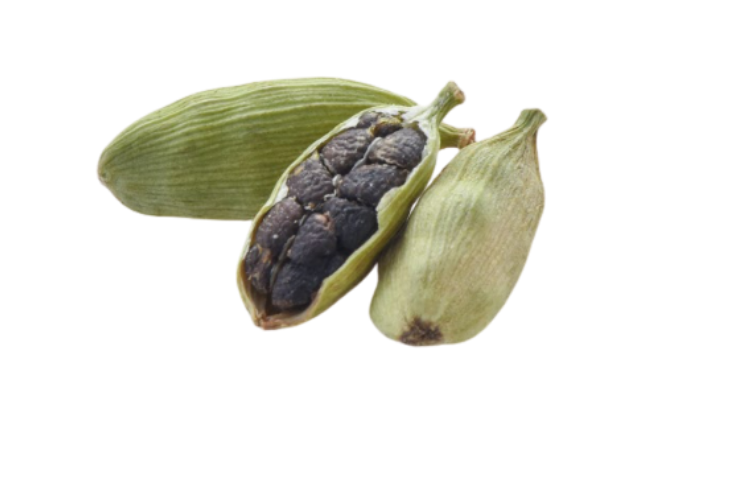
Green cardamom pods opened with seeds for Indian chai, biryani and sweets
Whole green cardamom pods (Elettaria cardamomum) with one opened showing black seeds and fresh leaves on white background
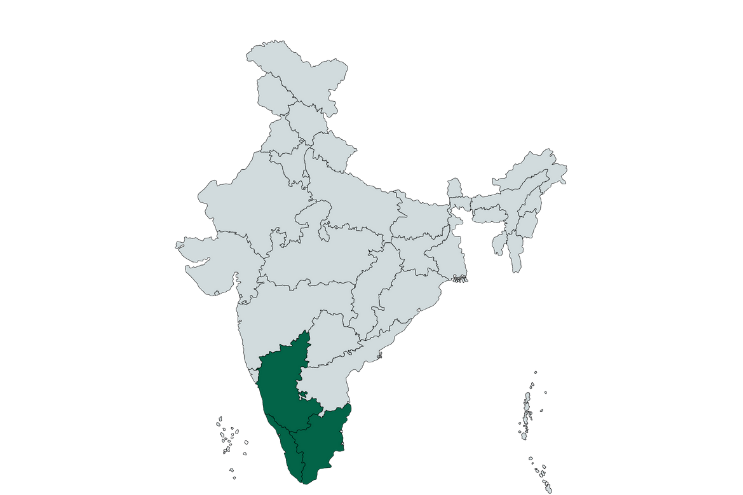
Map of India highlighting major green cardamom growing states in dark green (primarily Kerala, Karnataka, Tamil Nadu)
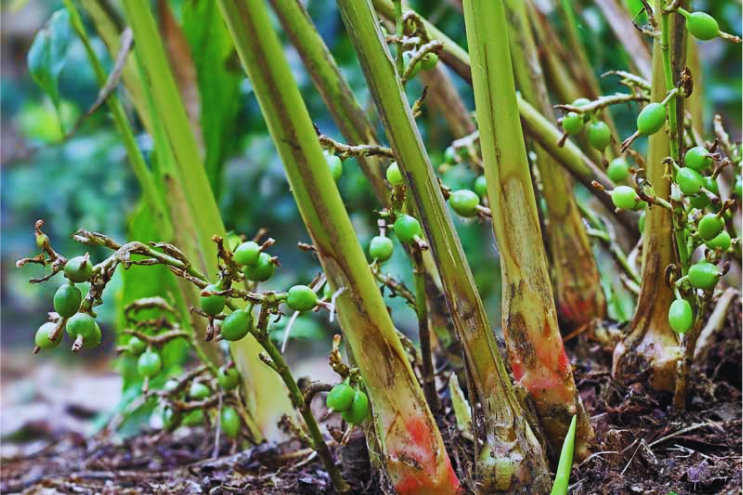
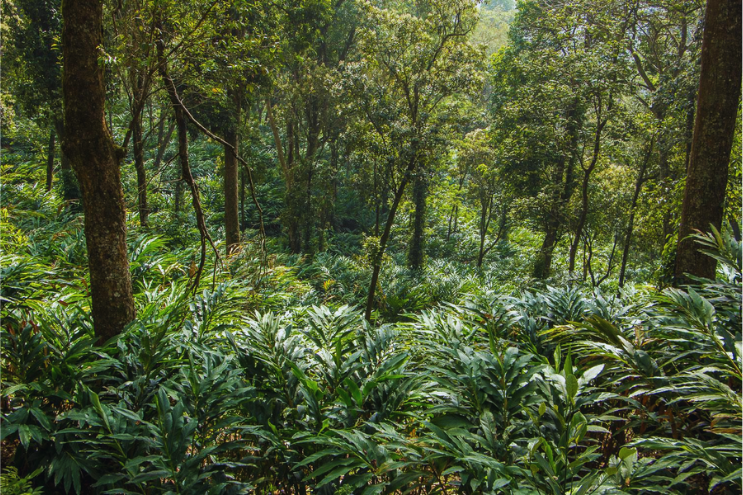
ground green cardamom feild

Product Types

Line
Line
Line
Line
Line
Line
Line
Line

Certifications

More Information

ground green cardamom feild

Small cardamom has a unique position in the international spices market.  It is a native of the evergreen forests of the Western Ghats of southern India, which incidentally is also the centre of origin. The cardamom of commerce is the dried ripe fruit pods of cardamom plant.

In India, cardamom is cultivated extensively in the hilly regions of southern states of Kerala, Karnataka and Tamil Nadu. Kerala accounts for 70% of the cultivation, followed by Karnataka (20%) and Tamil Nadu (10%).

It is a shade-loving (Sciophytes) plant growing under shade in evergreen forests. The plants mature in about 20-22 months after planting. Economic yield starts from the third year of planting and it continues up to 8-12 years for high-yielding varieties, depending upon the level of management.

Cardamom Diseases: Common diseases of cardamom in India include fungal diseases like Azhukal (Capsule Rot) and Rhizome Rot, viral diseases such as Katte disease (Mosaic) and Kokke Kandu, and Blight. These diseases cause significant crop loss by affecting leaves, capsules, and the plant’s root system, leading to symptoms like rot, yellowing, stunted growth, and mosaic patterns on the leaves.
Unlock the Herbarium

Discover the science and story behind our herbs. Enter your email to receive the Herbarium document.

Explore the Quality Map

Learn how we ensure ethical sourcing and transparency. Enter your email to receive the Quality Map document.

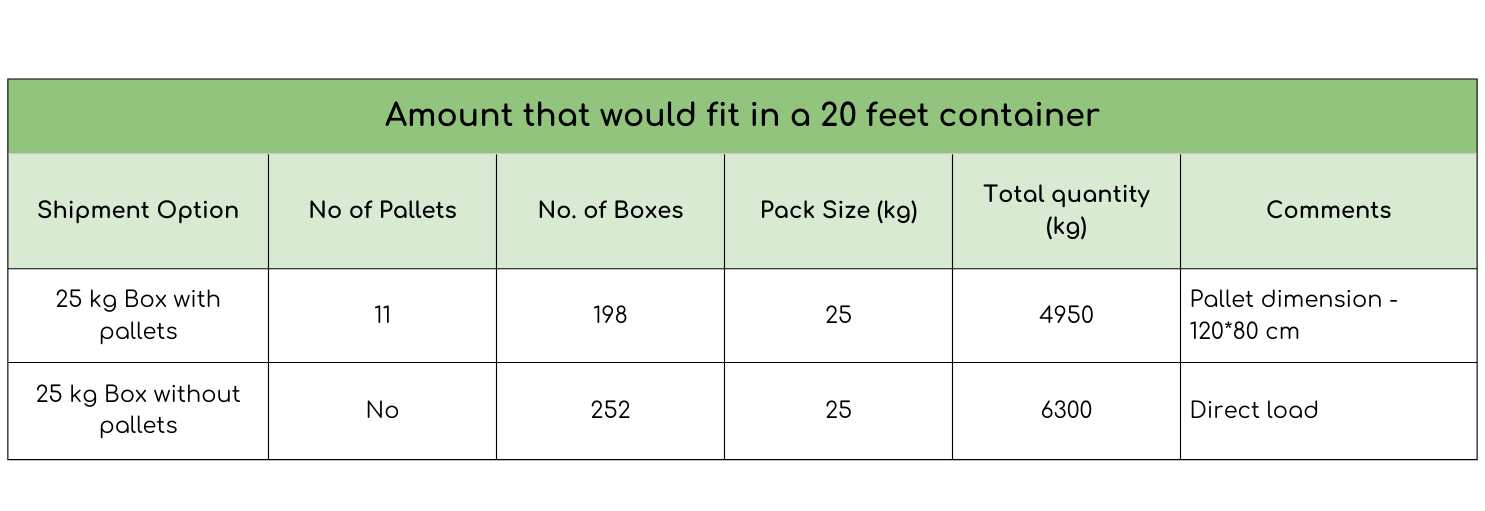
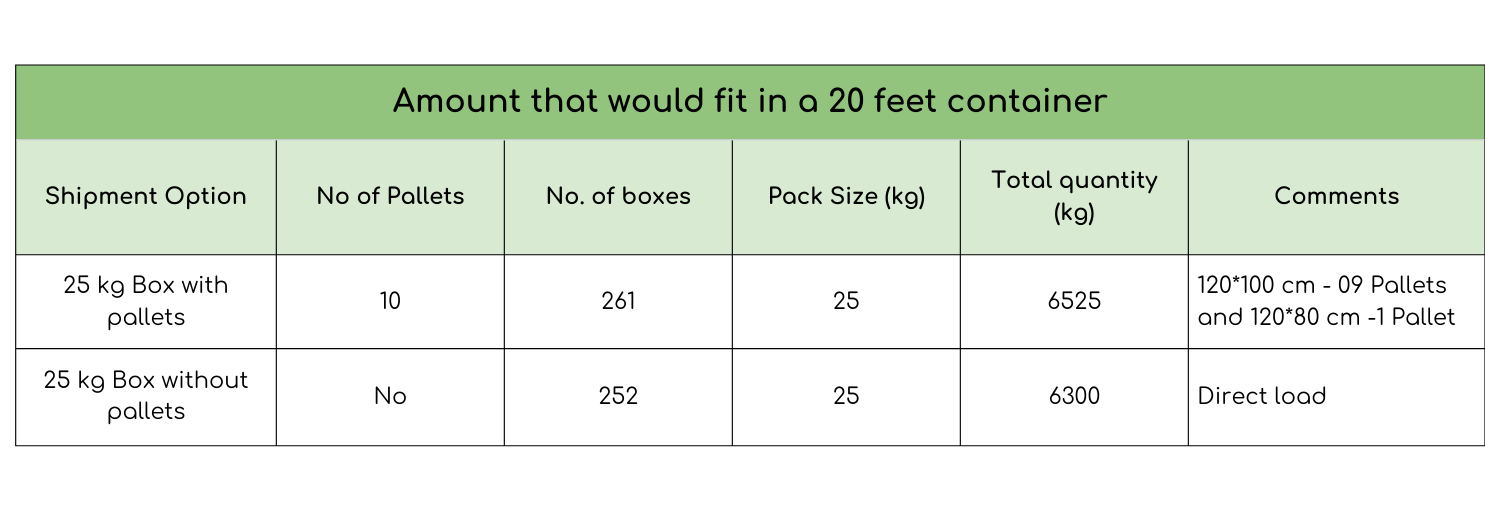
Packaging Details

20-foot container loading capacity table for EU export – 25 kg boxes and 500 kg jumbo bags options with pallet sizes

Note: These are approximates based on our standard specification for tea bag cut. Changes in particle size or bulk density will affect the packing quantities.

20ft container shipment options table – 25 kg boxes

Note: These are approximates based on our standard specification for tea bag cut. Changes in particle size or bulk density will affect the packing quantities.

Trace the Journey of Our Herbs

From the fields where they’re grown to the shelves where you find them, every herb we use is traceable. Learn how we ensure quality, fairness, and sustainability in every step of the process from seed to ship.

Explore Our Range of Products

Shatavari
Asparagus racemosus Willd.
Cinnamon
Cinnamomum cassia (L.) J. Presl.
Lemongrass
Cymbopogon citratus (DC.) Stapf
Cardamom
Elettaria cardamomum (L.) Maton
Chamomile
Matricaria chamomilla L.