Rose

Rosa spp.

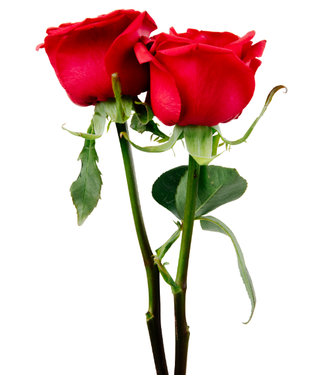
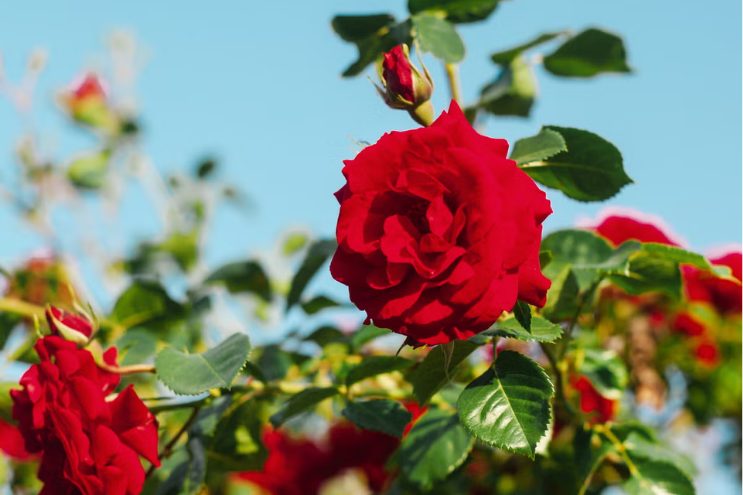
In India, Rose is primarily cultivated for perfumery and ornamental use. Petals are fragrant with notes of honey and fruit. Geraniol, citronellol, and phenethyl alcohol carry the aroma. Petals are used fresh, candied, dried, or distilled into traditional rose water and attars. Classic Indian foods like gulkand and desserts rely on consistent petal quality and clean processing. Color and aroma vary with region, season, and drying method. Distinguishing between rose species is challenging due to hybridization, morphological similarities, and environmental factors influencing their traits. Most cultivated roses are hybrids of multiple species, making exact classification difficult. 

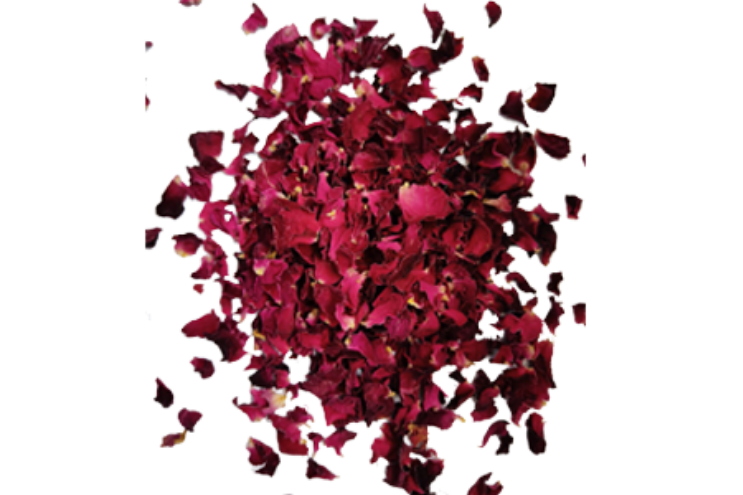
red rose for natural skincare and rose water
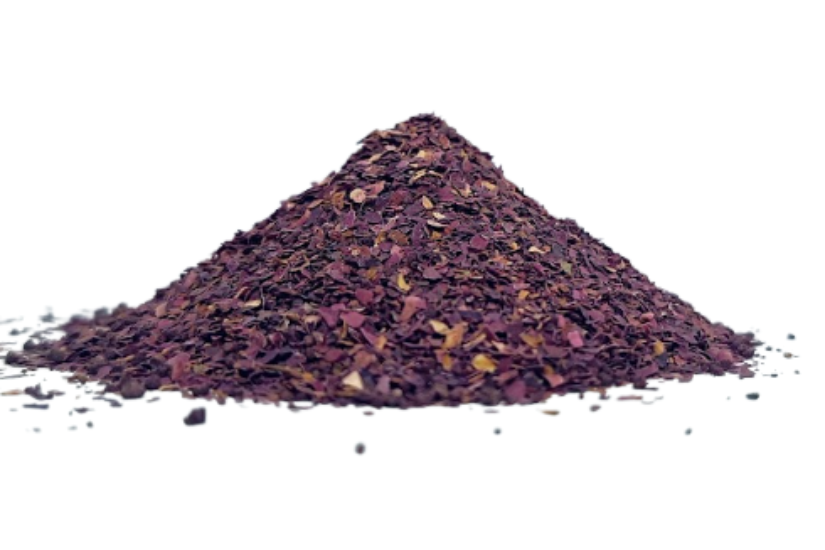
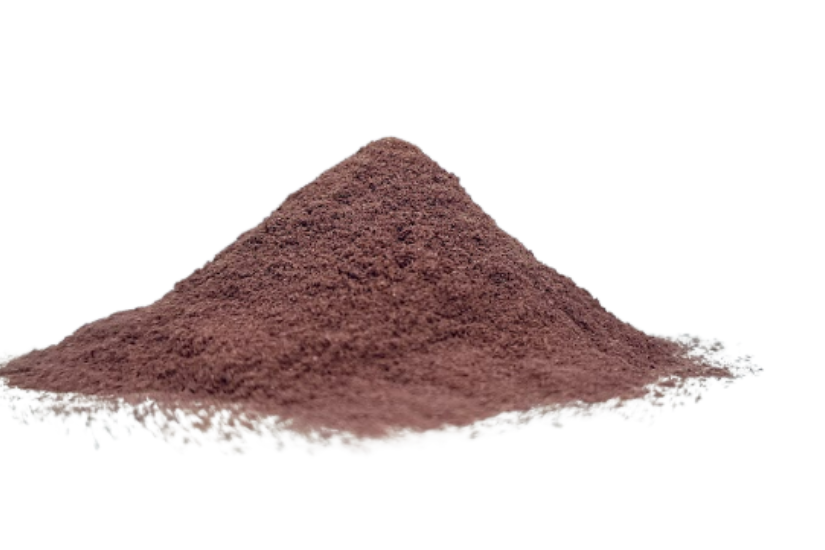
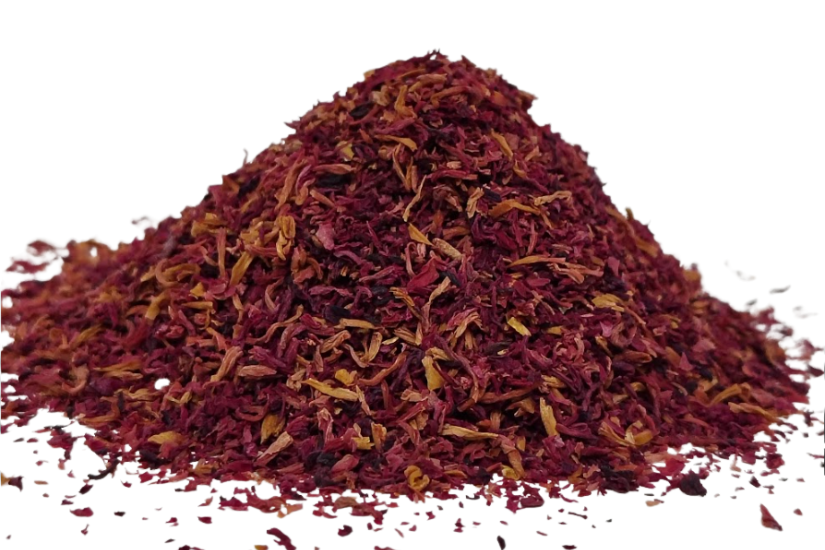
Dried red rose petals (Rosa spp.)
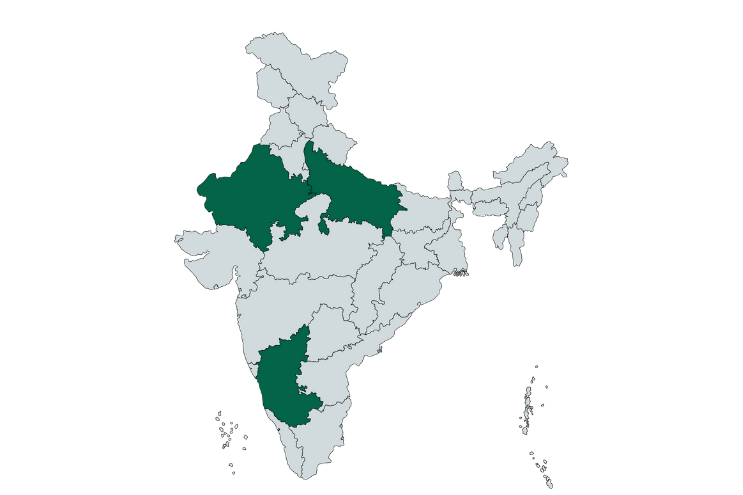
Map of India showing major rose growing states in dark green: UP, Raj, and Karnataka (cultivated)
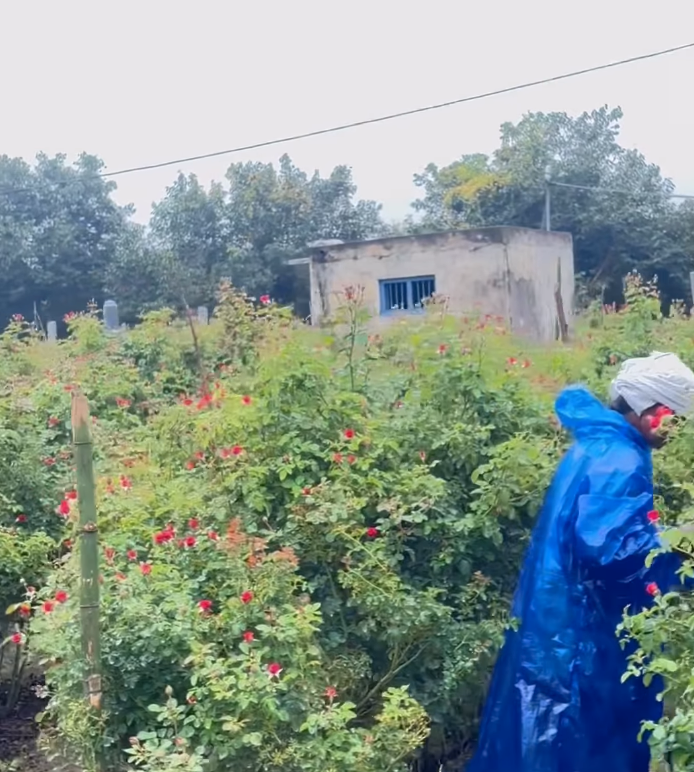
Rose Farm Cultivation – Blooming Rose Field in India

Product Types

Line
Line
Line
Line
Line
Line
Line
Line

Certifications

More Information

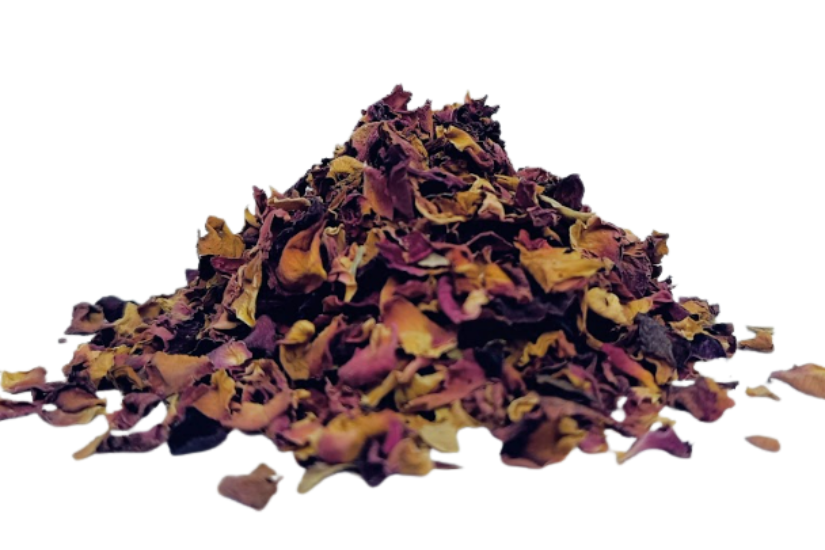
Dried Rose Petals | Rosa spp. – Ayurvedic Gulab Pushpa

The rose is a perennial shrub that can remain productive for over 10 to 15 years. Fields are pruned annually to encourage flowering. The main harvest season is short, lasting 25 to 35 days, during which flowers must be hand-picked daily in the early morning. A mature acre can yield 1000 to 1200 kilograms of flowers. Roses are highly perishable, and flowers must be distilled within hours to capture their oil. Major challenges include high labor demand, thorns, susceptibility to pests and fungal diseases, and risks of pesticide residues if fields are not carefully managed.

Explore the Quality Map

Learn how we ensure ethical sourcing and transparency. Enter your email to receive the Quality Map document.

Packaging Details

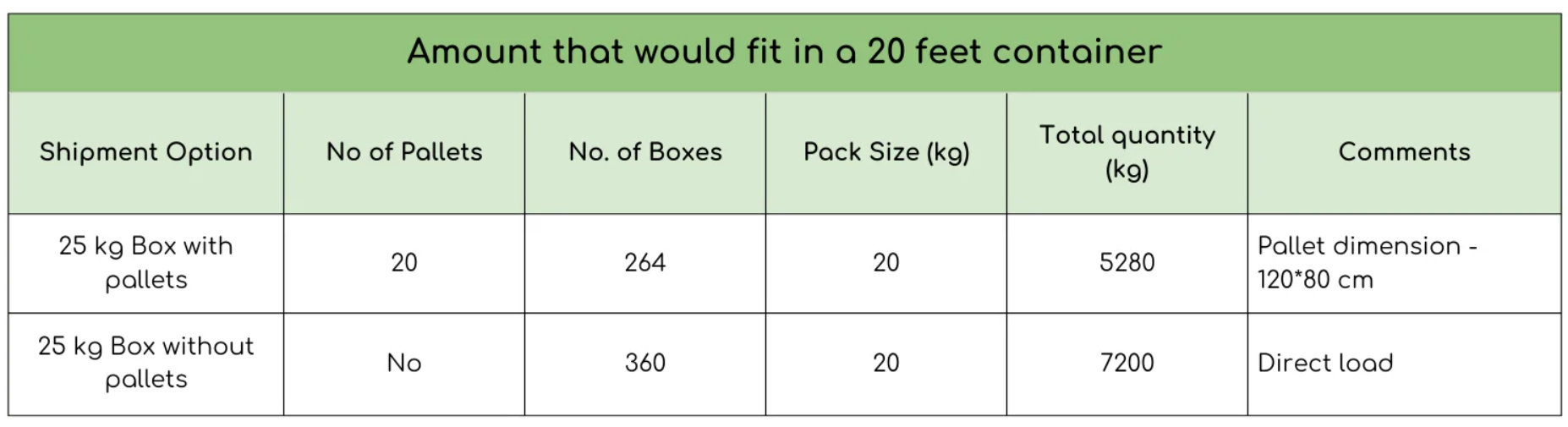
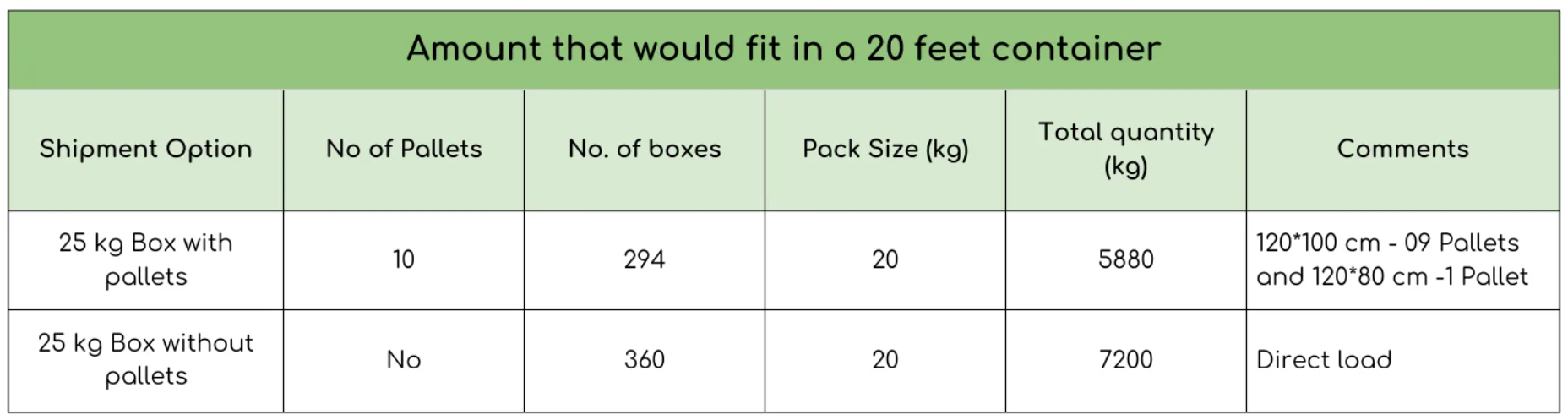
20-foot container loading capacity table for EU export – 25 kg boxes

Note: These are approximates based on our standard specification for tea bag cut. Changes in particle size or bulk density will affect the packing quantities.
20ft container shipment options table – 25 kg boxes and 500 kg jumbo bags loading capacity

Note: These are approximates based on our standard specification for tea bag cut. Changes in particle size or bulk density will affect the packing quantities.
Trace the Journey of Our Herbs

From the fields where they’re grown to the shelves where you find them, every herb we use is traceable. Learn how we ensure quality, fairness, and sustainability in every step of the process from seed to ship.

Explore Our Range of Products

Shatavari
Asparagus racemosus Willd.
Cinnamon
Cinnamomum cassia (L.) J. Presl.
Lemongrass
Cymbopogon citratus (DC.) Stapf
Cardamom
Elettaria cardamomum (L.) Maton
Chamomile
Matricaria chamomilla L.