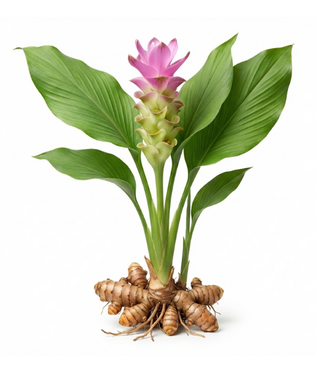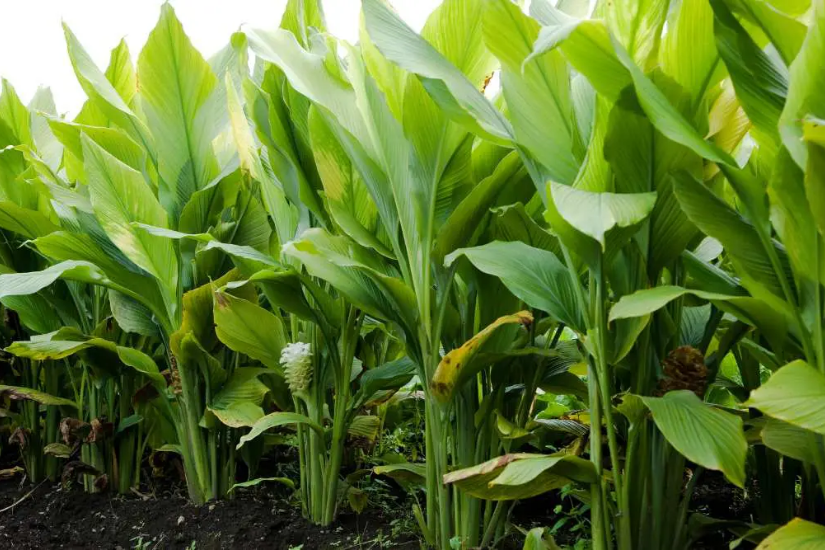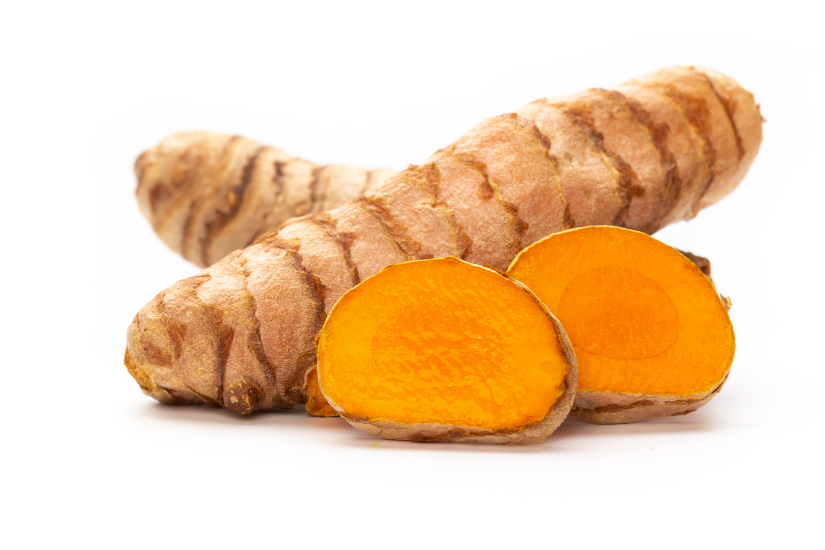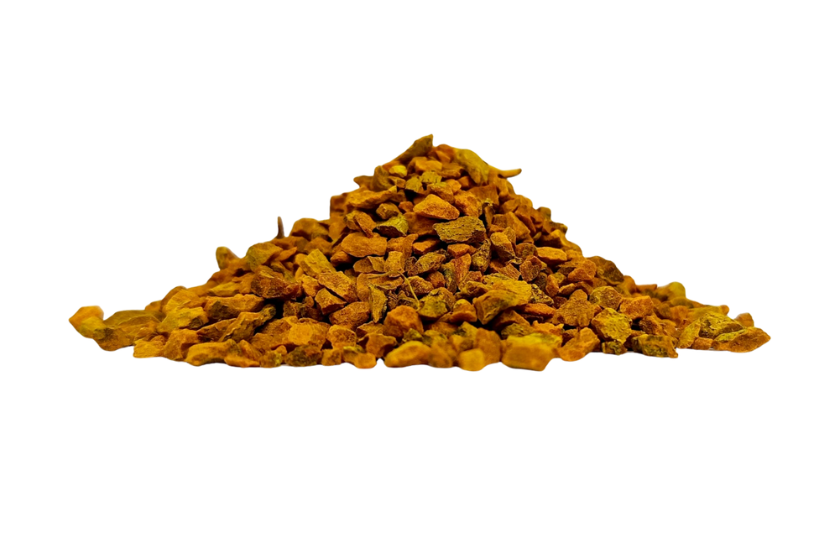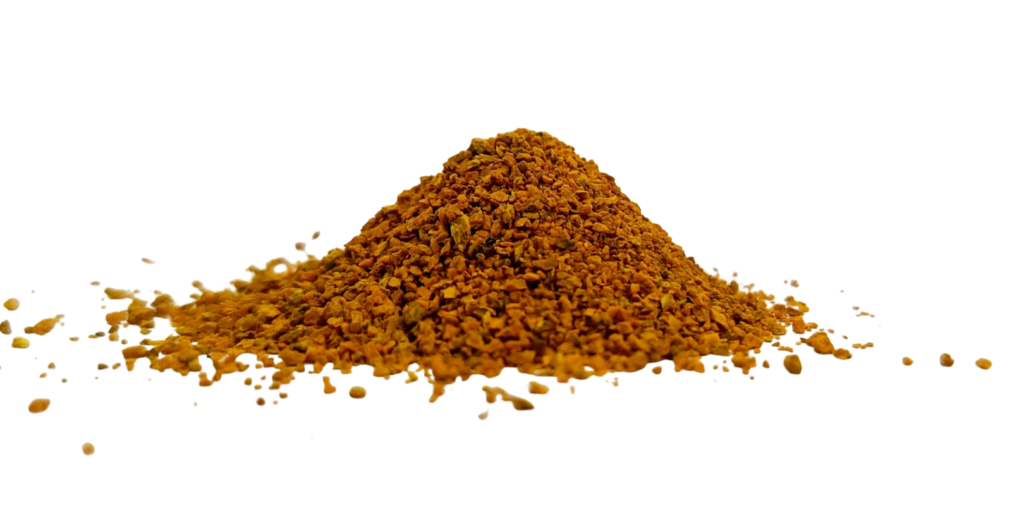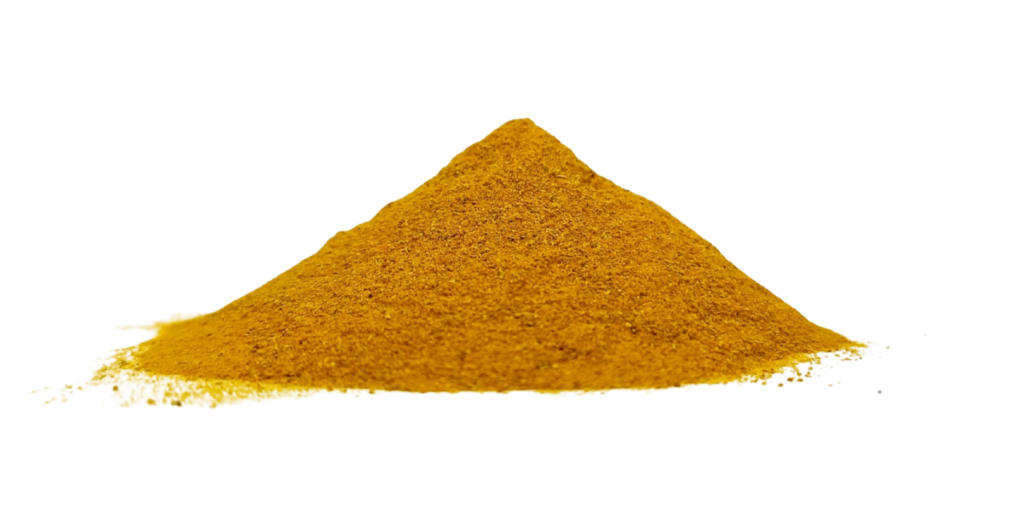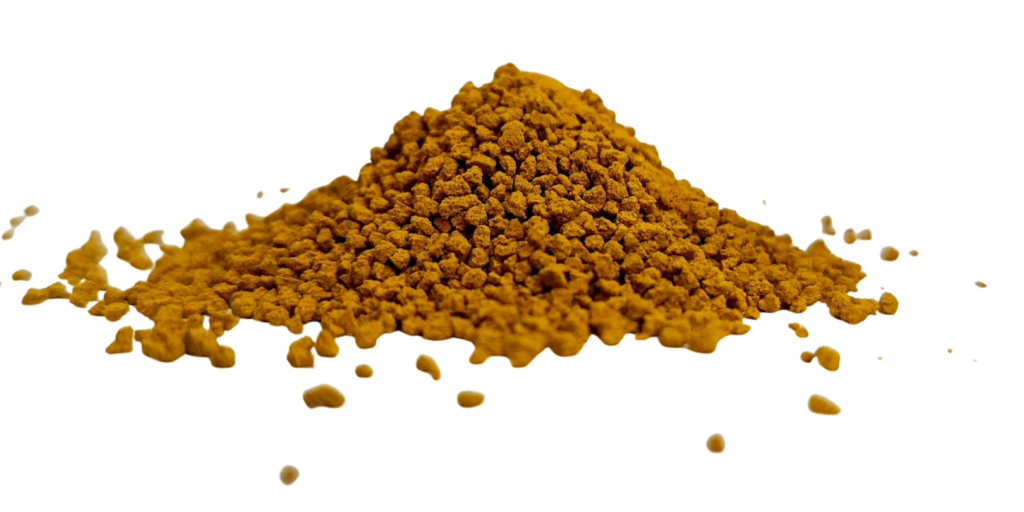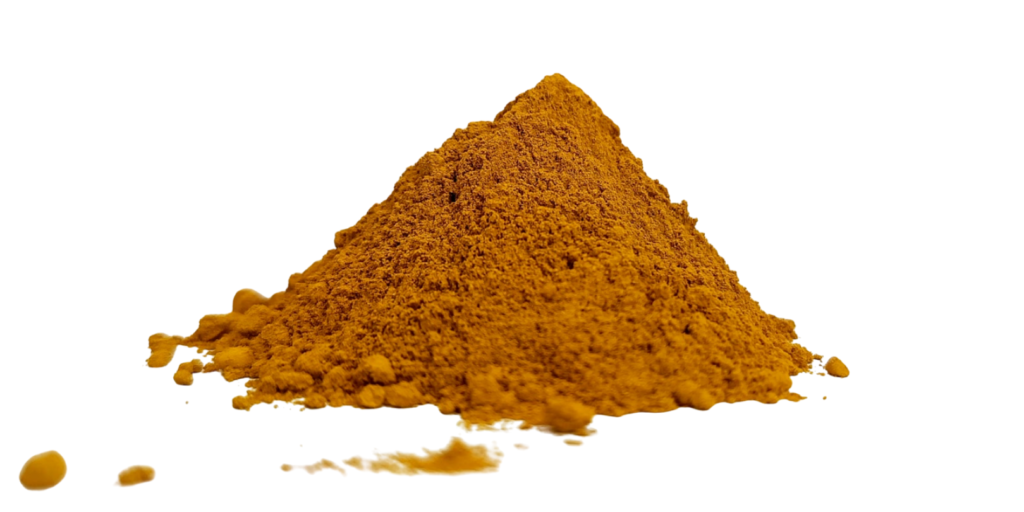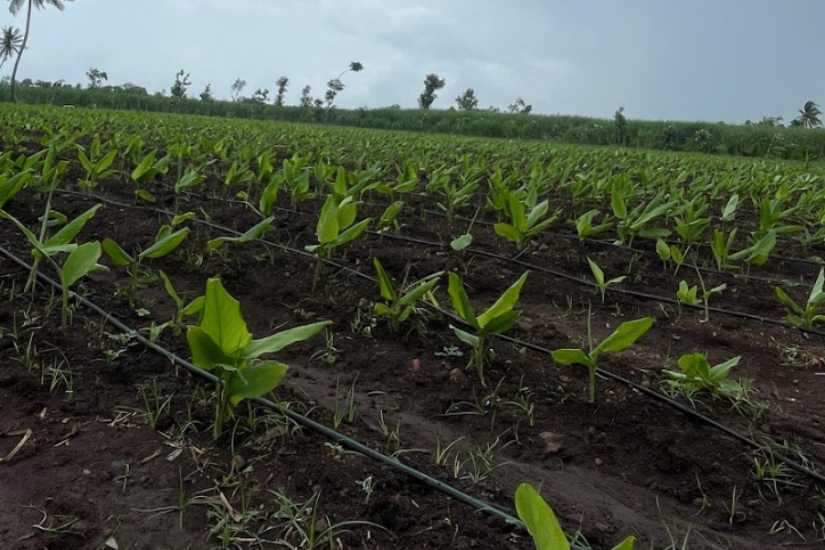
Turmeric is cultivated as an annual for its underground rhizomes. It requires a hot and humid season to grow, taking about 7 to 9 months from planting to harvest. It is usually planted just before the monsoon rains and harvested when the leaves turn yellow and dry up. An acre typically yields 10 to 12 tonnes of fresh turmeric, which after curing and drying reduces to 2 to 2.4 tonnes. Proper post-harvest steps are crucial: fresh rhizomes are boiled, dried in the sun, and polished to develop their color and aroma. The crop is prone to diseases like bacterial wilt and rhizome rot, and lead contamination in soil has also been reported, so monitoring is essential.
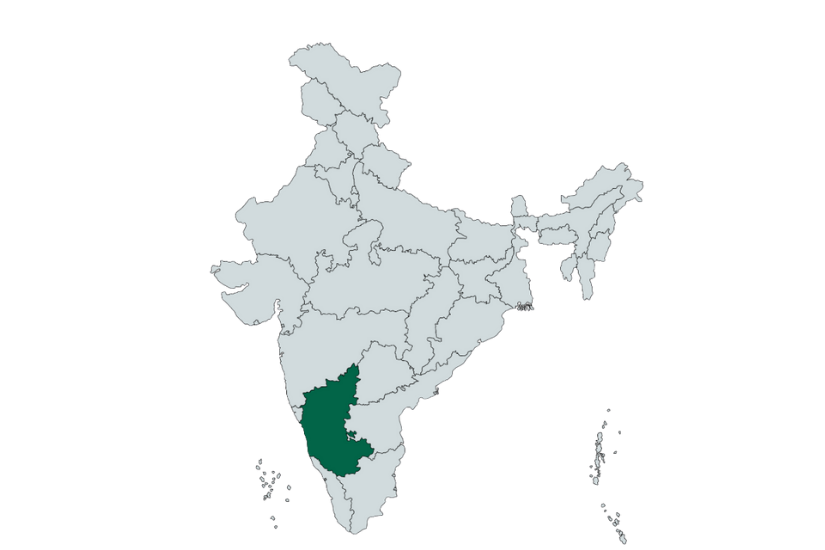
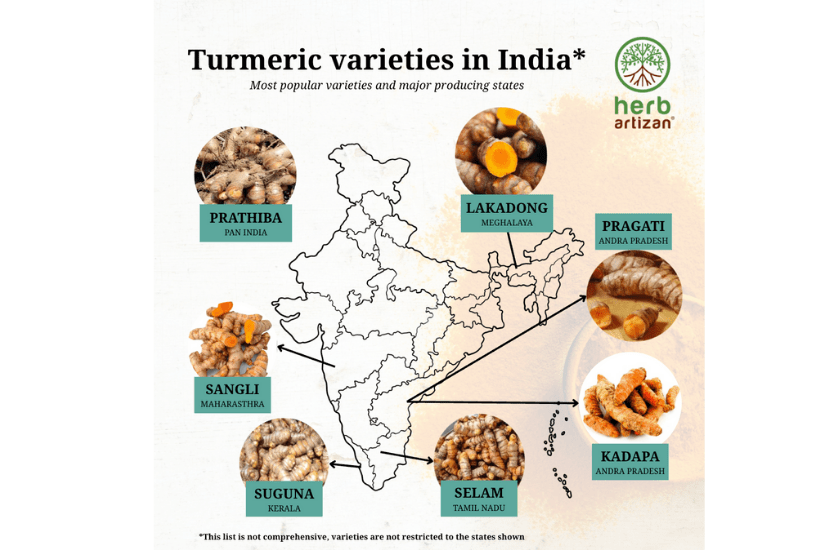
India, the world’s leading producer and exporter of turmeric, offers a wide variety suited to diverse climates and uses. CAR–IISR has released several improved cultivars such as IISR-Pragati, IISR-Kedaram, Prathibha, Prabha, Suguna, Sudharsana, Suvarna, IISR-Alleppey Supreme, and IISR-Surya. Mainly selected for higher yield, better dry recovery, and quality traits. Buyers often choose based on colour, aroma, and curing performance. The North East India has distinct high-curcumin types.