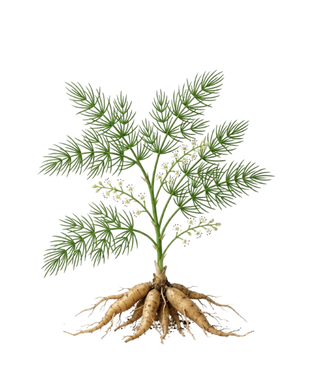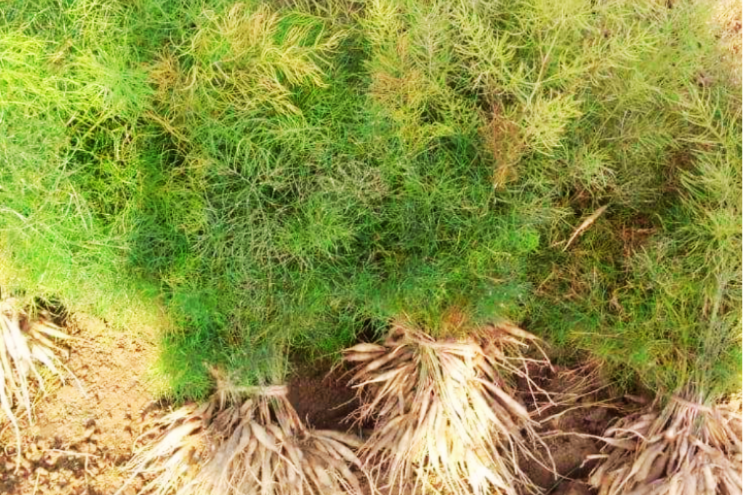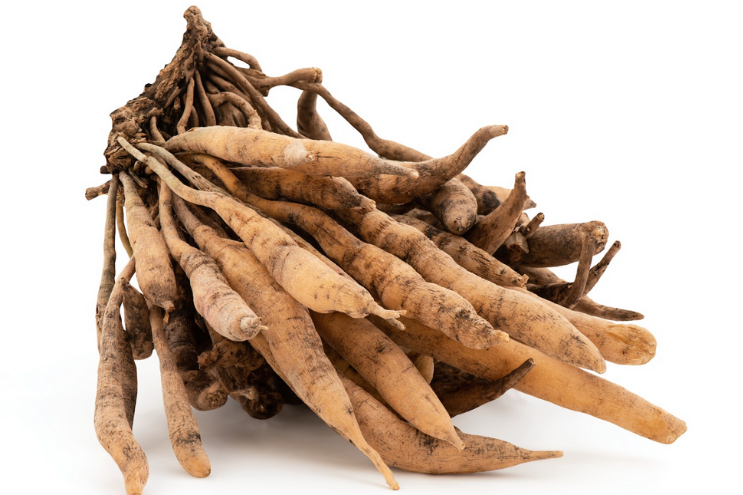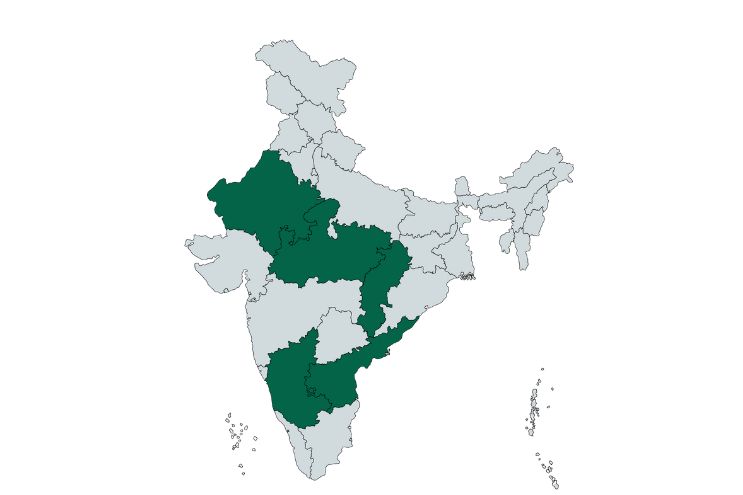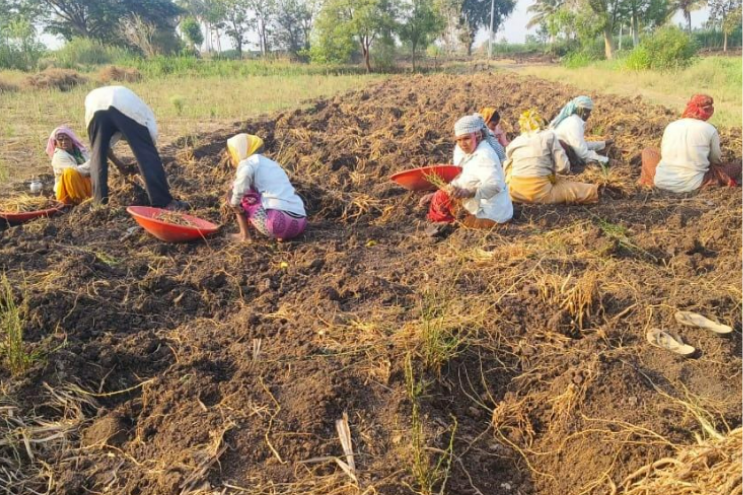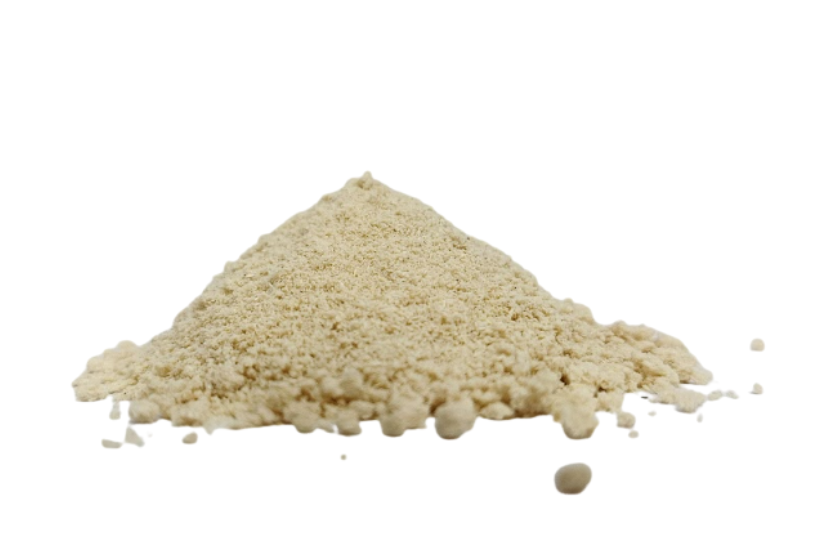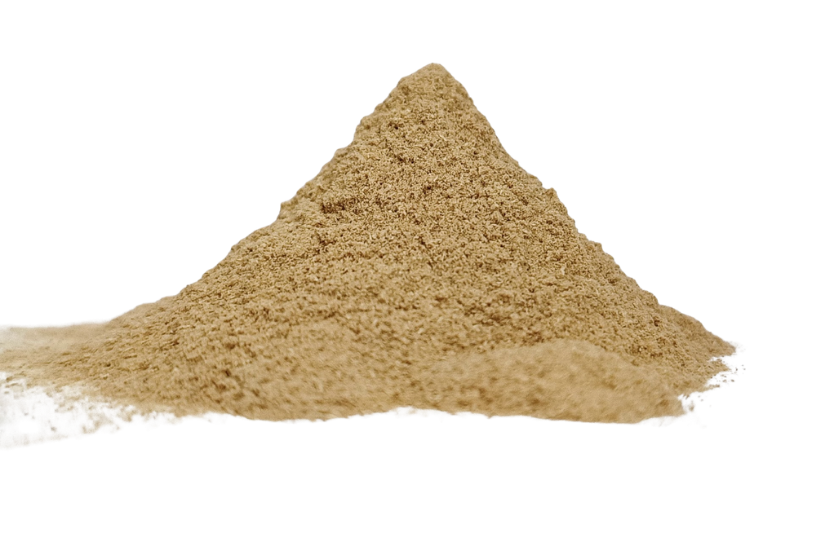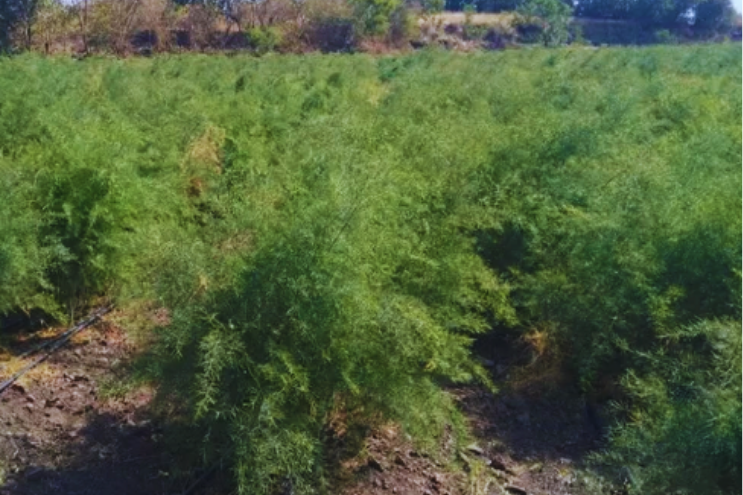
Shatavari is a thorny, climbing plant grown across tropical and subtropical regions of India. It performs best in tropical to semi-arid climates and prefers sandy or medium black soils with good drainage. The crop requires time and patience. Commercial harvest typically occurs 18–24 months after planting. Longer crop cycles are mentioned in literature but are rarely practical for farmers. An acre yields around 4–5 tonnes of fresh roots, which dry down to 600–1,000 kg, as the roots contain nearly 85% moisture.
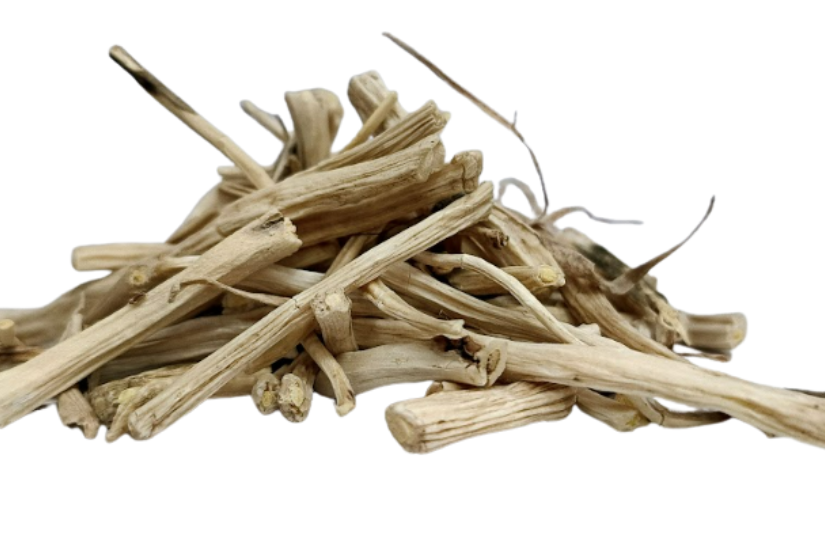
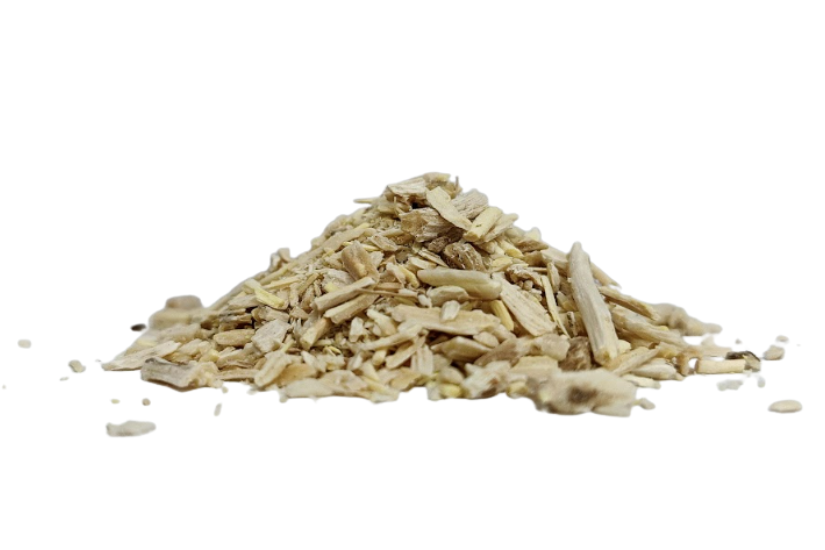
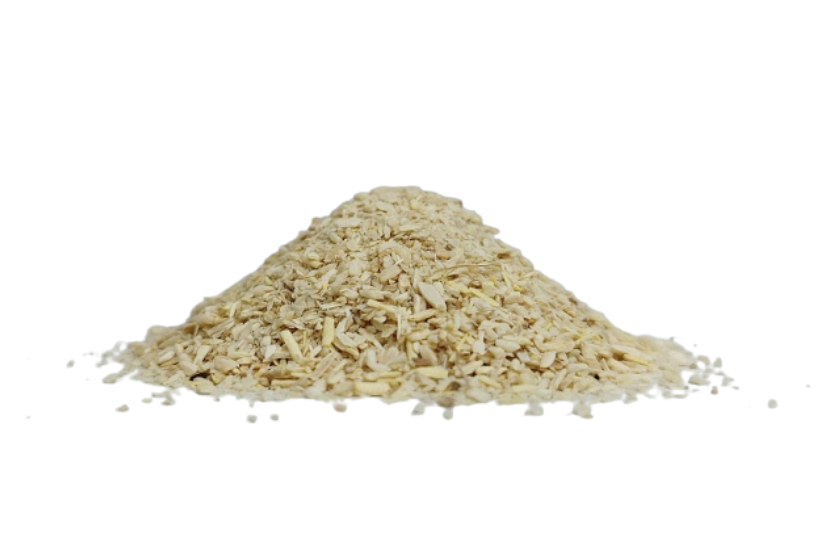
Post-harvest processing varies widely and is a key challenge. In most regions, roots are boiled after harvest. Peeling practices differ by location, and inconsistent handling can lead to yield loss and variable quality. Drying is usually done in the sun, as slow or poorly managed shade drying can increase fungal risk. Trade terms such as “yellow” and “white” Shatavari are commonly used but do not represent standardized varieties. They reflect regional practices rather than botanical differences, which complicates quality control. Shatavari is vulnerable to aphids and root rot, particularly under excess irrigation. Although often described as perennial, once the roots are harvested the plant does not regenerate, making it a single-harvest crop in commercial cultivation.