Lemongrass

Cymbopogon citratus (DC.) Stapf

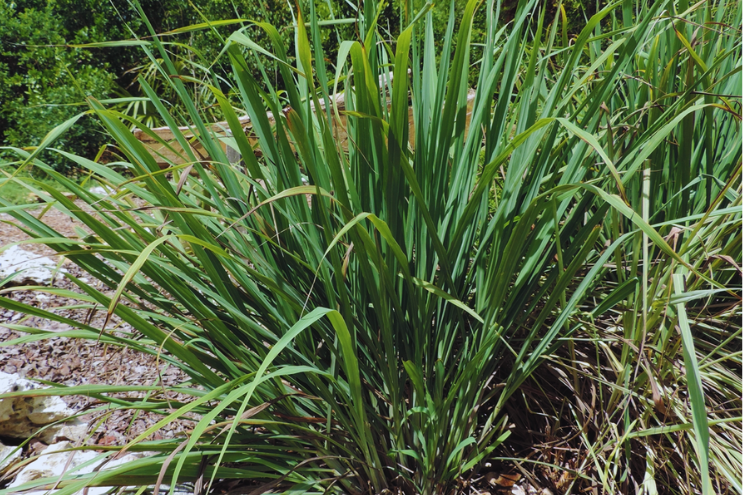
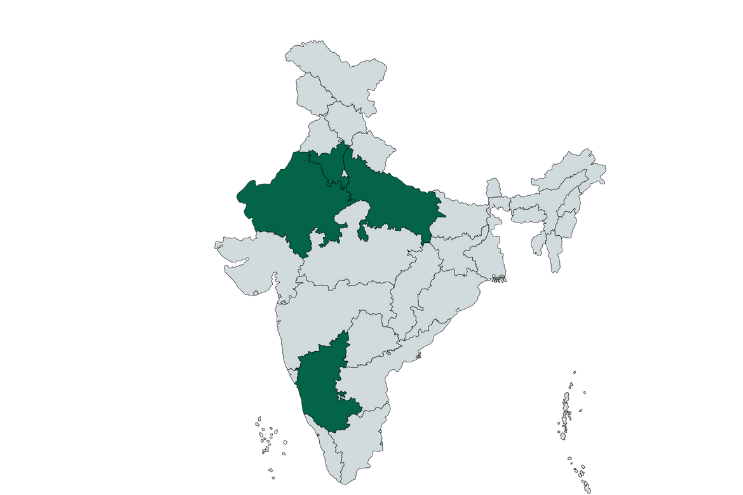
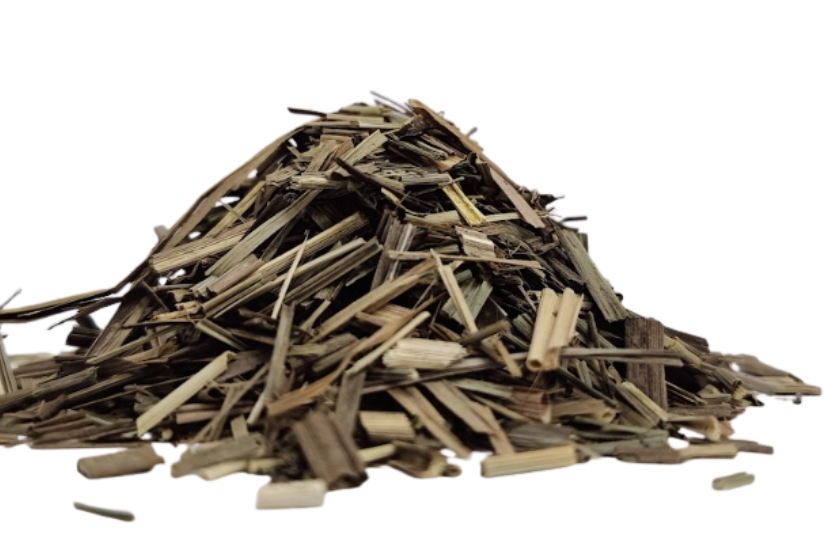
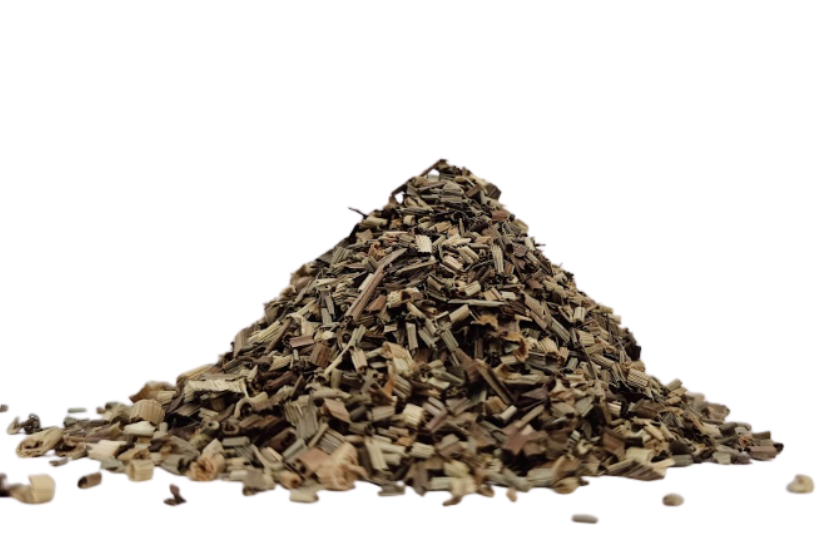
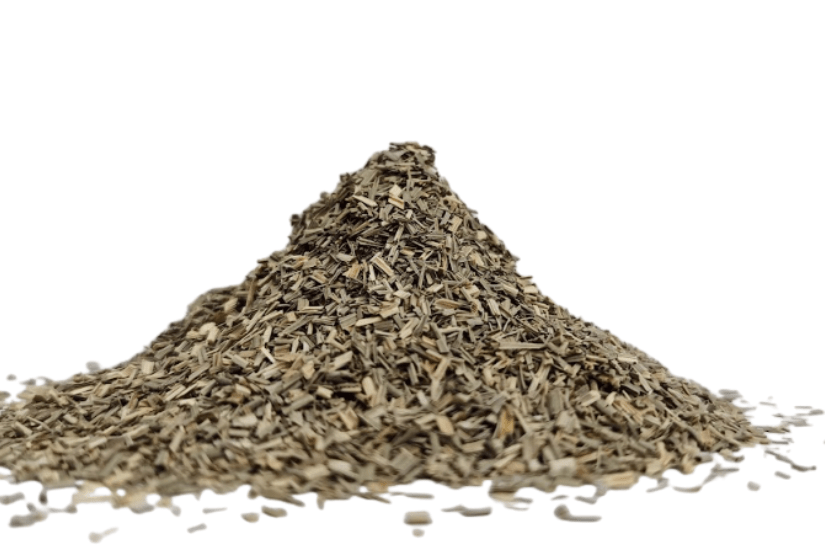
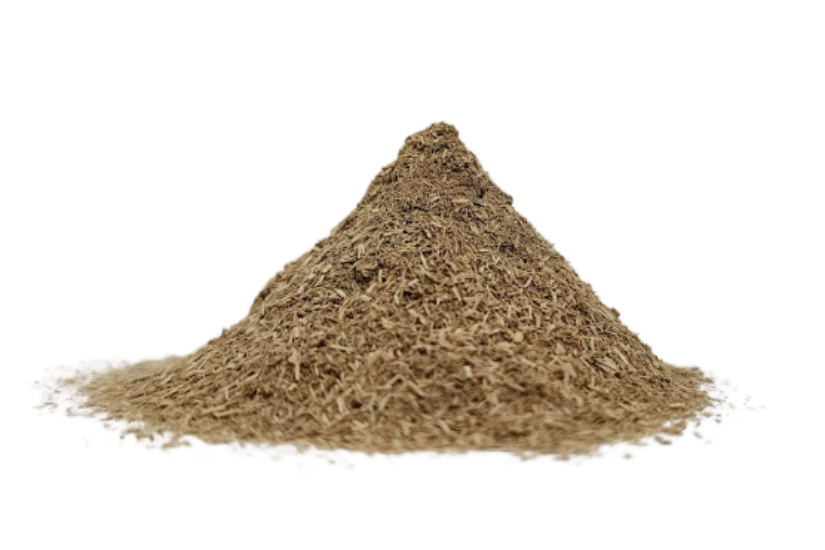
Lemongrass is widely cultivated in India and valued for a bright, lemony profile without the acidity of citrus fruit. Citral (geranial and neral) defines the aroma. Leaves are cut and dried for culinary and aromatic uses, and the plant features across regional cuisines. And it shows up in soaps, cleaners, and personal care because the scent reads as clean and fresh. Uniform cut size supports even infusion and blending.

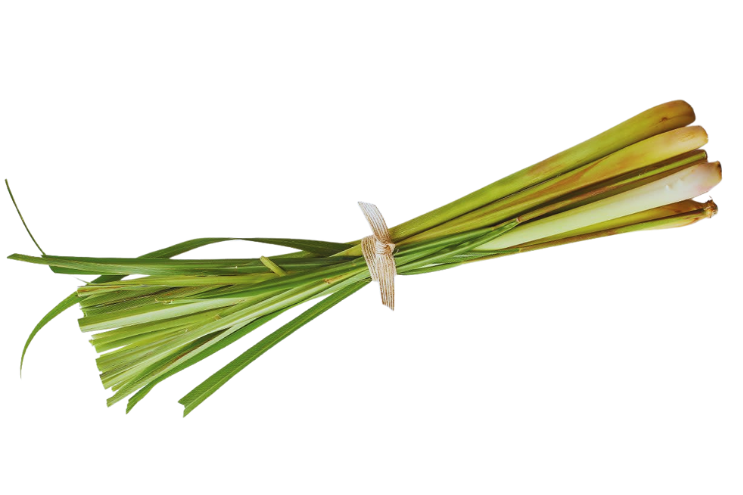
Fresh Lemongrass – Cymbopogon citratus Whole Stalks
Fresh lemongrass Cymbopogon citratus stalks – Ayurvedic digestive herb
Fresh Lemongrass Stalks – Essential Asian Cooking Herb
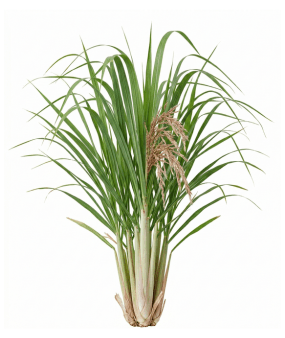
Fresh lemongrass stalks (Cymbopogon citratus) bundle with green leaves on white background

Product Types

Line
Line
Line
Line
Line
Line
Line
Line

Certifications

More Information

Lemongrass Stalks – Fresh & Aromatic

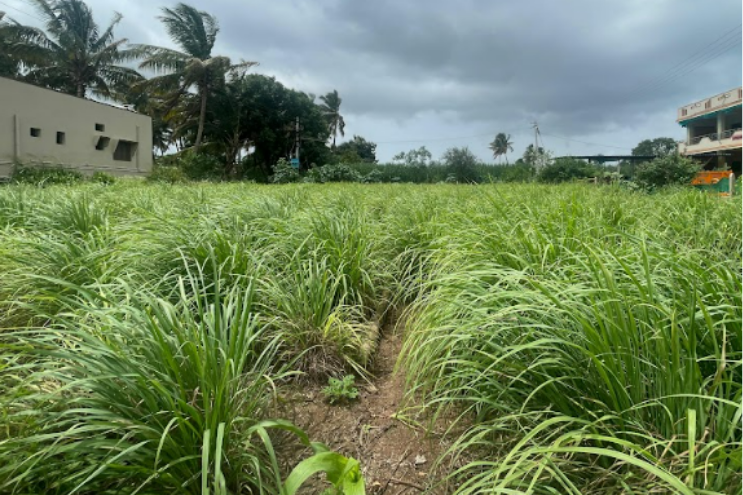
Lemongrass is a hardy perennial grass and remains productive for 3–4 years. It is easy to cultivate and adapts well across regions when managed correctly.

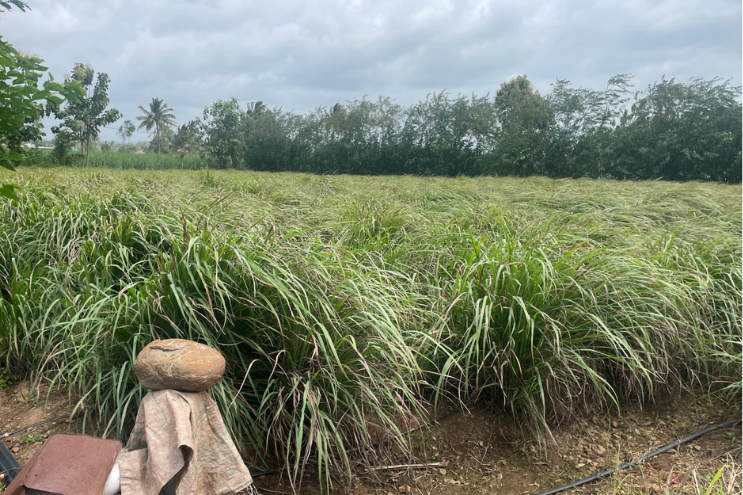
Planting is typically done during the monsoon. The first harvest is ready about 3–5 months after planting. Subsequent harvests can be taken every 2–3 months. This allows for 3 harvests per year under good conditions. Average fresh grass yield ranges from 8 to 10 tonnes per acre.

One of the most common challenges is species confusion. Farmers often mix Cymbopogon flexuosus with other lemongrass varieties. Since oil quality and aroma depend heavily on species, using verified planting material is critical. We provide identified planting material to avoid mix-ups and ensure consistency.

Harvesting is the most difficult part of lemongrass cultivation. The leaves are sharp and can easily cut fingers. PPE use is limited at the farm level, increasing the risk of injuries. There is no widely adopted SOP or standardized mechanism for cutting. While cutting machines exist, they are not commonly available or affordable. To address this, we have supported farmer groups such with lemongrass cutting machines capable of cutting down to 0.2 mm.

Post-harvest handling brings its own challenges. Sun drying can cause color variation, especially under harsh conditions. Overwatering can also affect plant health and yield. While pesticide issues are rare in lemongrass, fungal leaf spots and occasional stem borers can still reduce productivity if not managed early.
Unlock the Herbarium

Discover the science and story behind our herbs. Enter your email to receive the Herbarium document.

Explore the Quality Map

Learn how we ensure ethical sourcing and transparency. Enter your email to receive the Quality Map document.

Packaging Details

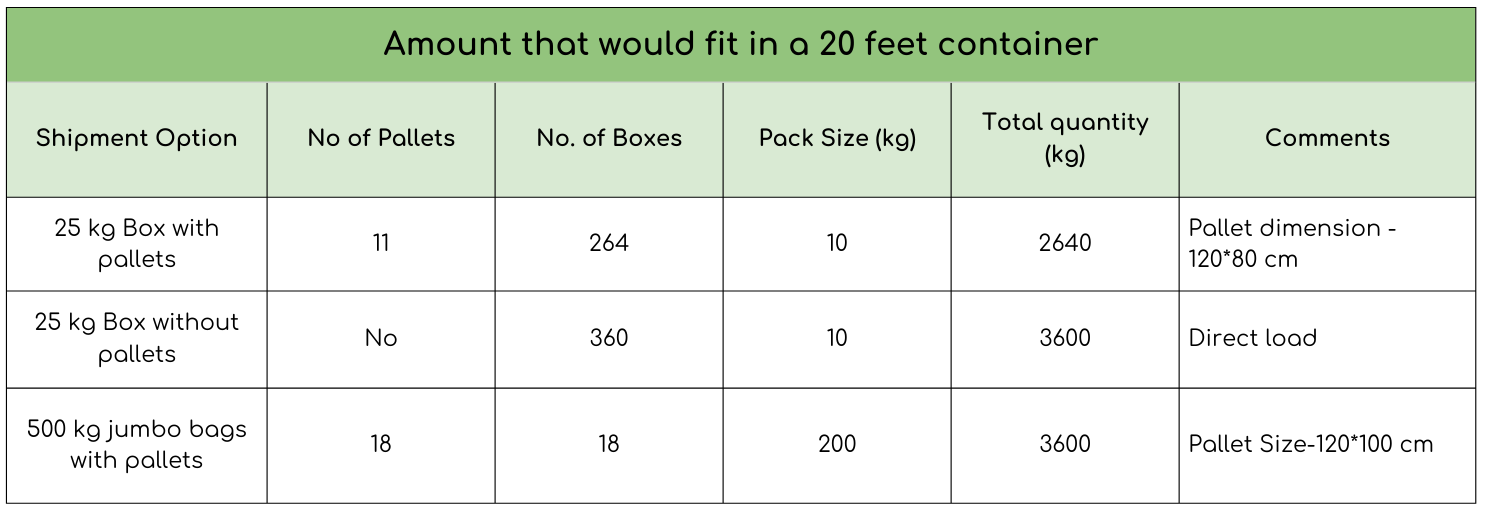
Shipping data table for 20ft container – packaging and quantity details

Note: These are approximates based on our standard specification for tea bag cut. Changes in particle size or bulk density will affect the packing quantities.

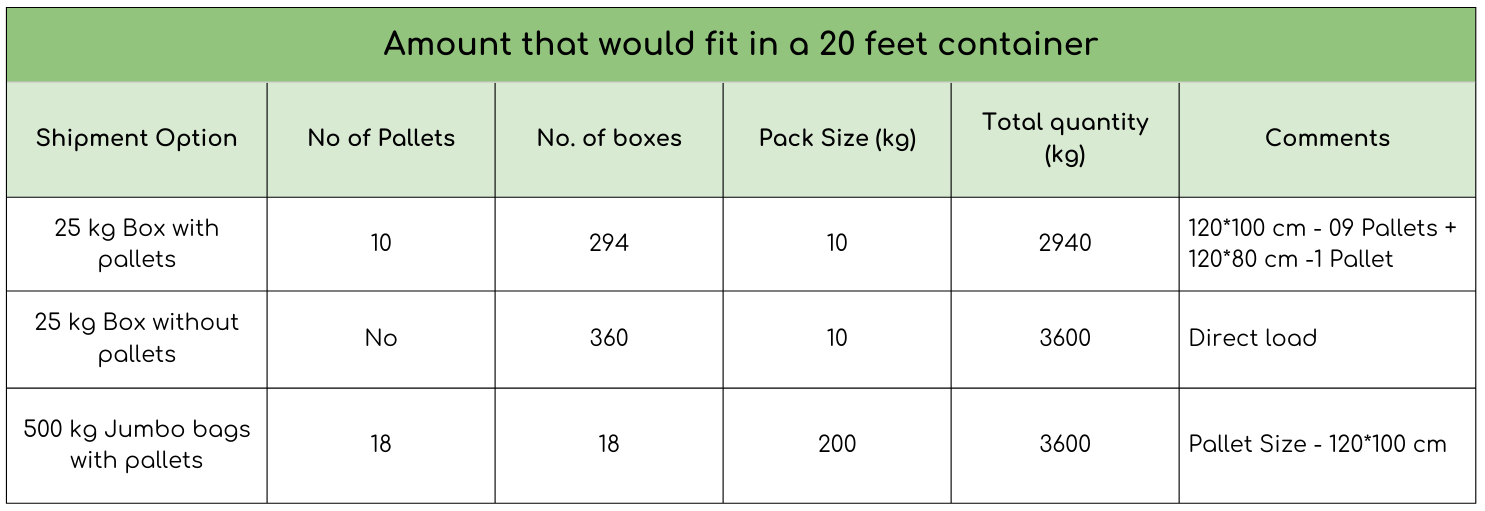
Shipping & Packaging Capacity – 20ft Container Overview

Note: These are approximates based on our standard specification for tea bag cut. Changes in particle size or bulk density will affect the packing quantities.

Trace the Journey of Our Herbs

From the fields where they’re grown to the shelves where you find them, every herb we use is traceable. Learn how we ensure quality, fairness, and sustainability in every step of the process from seed to ship.

Explore Our Range of Products

Shatavari
Asparagus racemosus Willd.
Cinnamon
Cinnamomum cassia (L.) J. Presl.
Lemongrass
Cymbopogon citratus (DC.) Stapf
Cardamom
Elettaria cardamomum (L.) Maton
Chamomile
Matricaria chamomilla L.