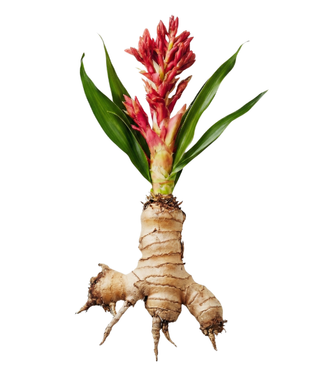
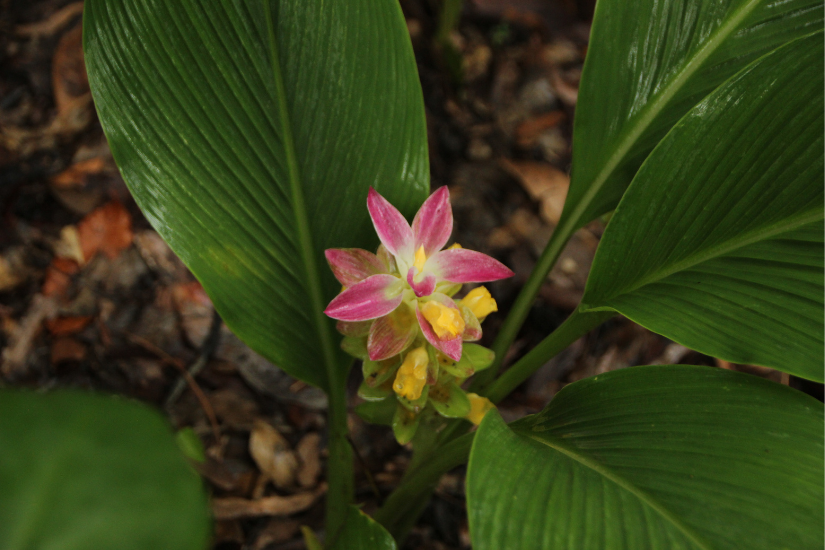
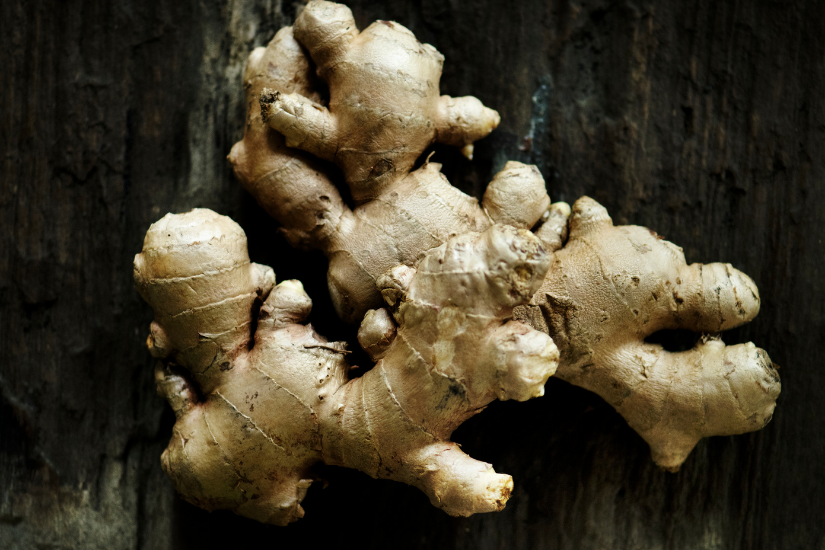
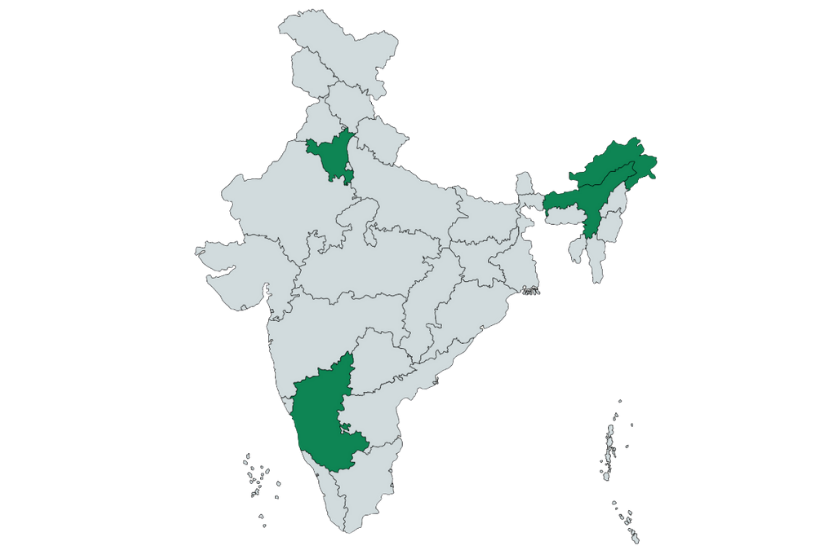
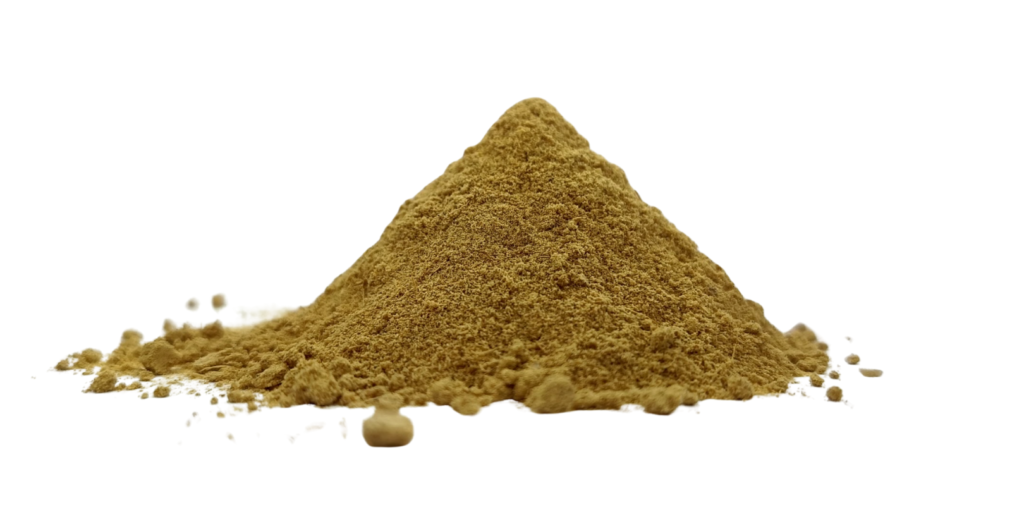
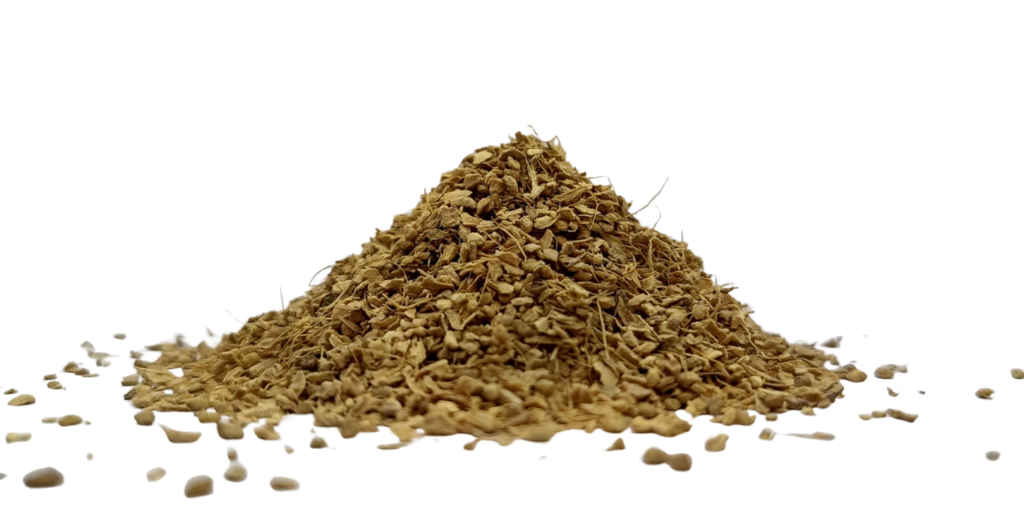
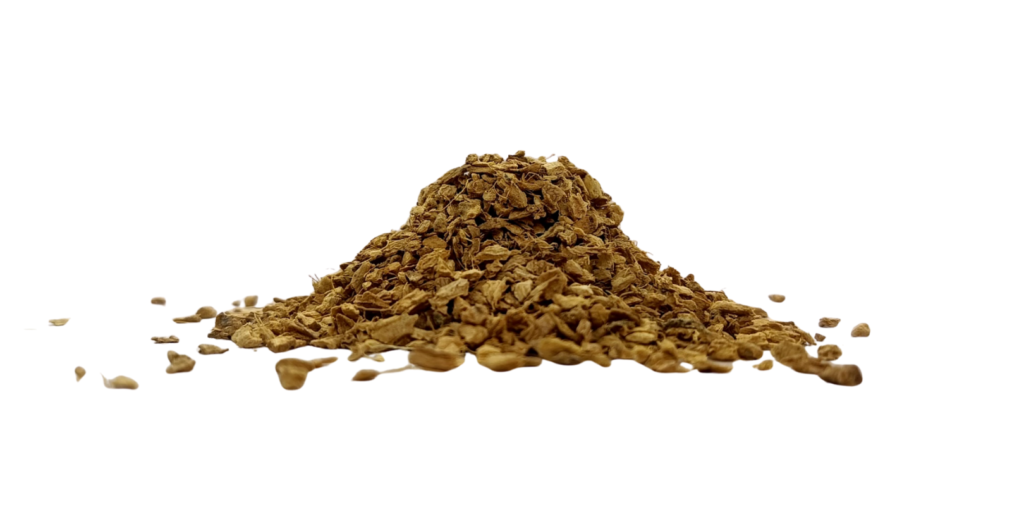
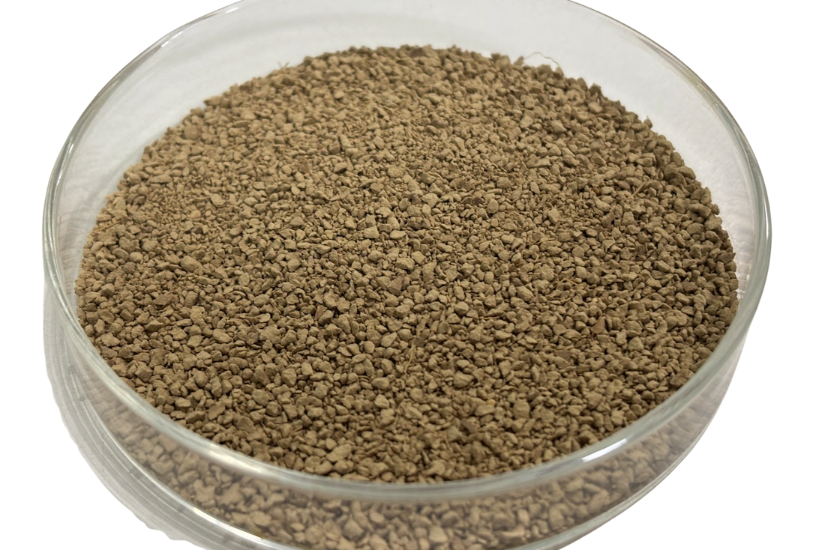
Ginger (Zingiber officinale Roscoe) has been cultivated in India for over 5000 years, valued as food and medicine. Today, India produces about one-third of the world’s supply, making it central to global trade. Its distinctive heat and citrusy aroma come from compounds such as gingerols and shogaols, which have been noted in both traditional texts and modern phytochemistry. In tea, ginger is one of the most versatile botanicals: it adds warmth and depth, balances fruit and floral notes, and forms the backbone of classics like spiced chai as well as soothing caffeine-free blends.
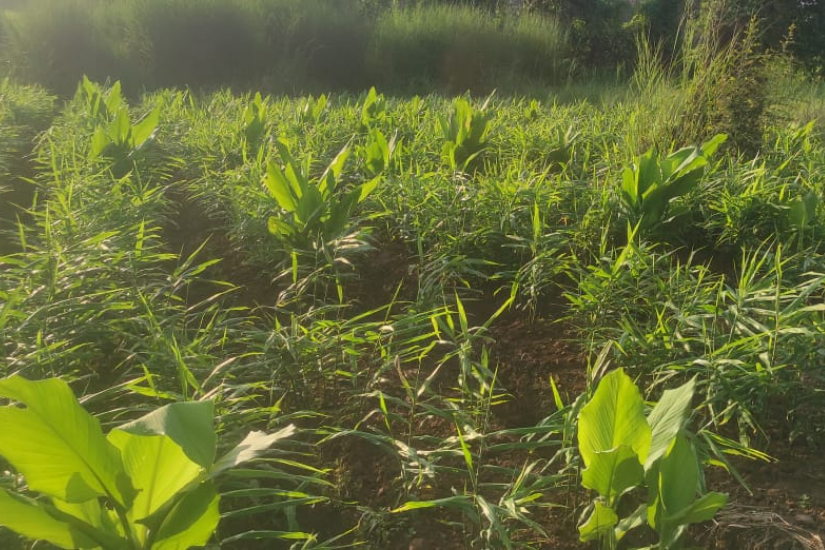
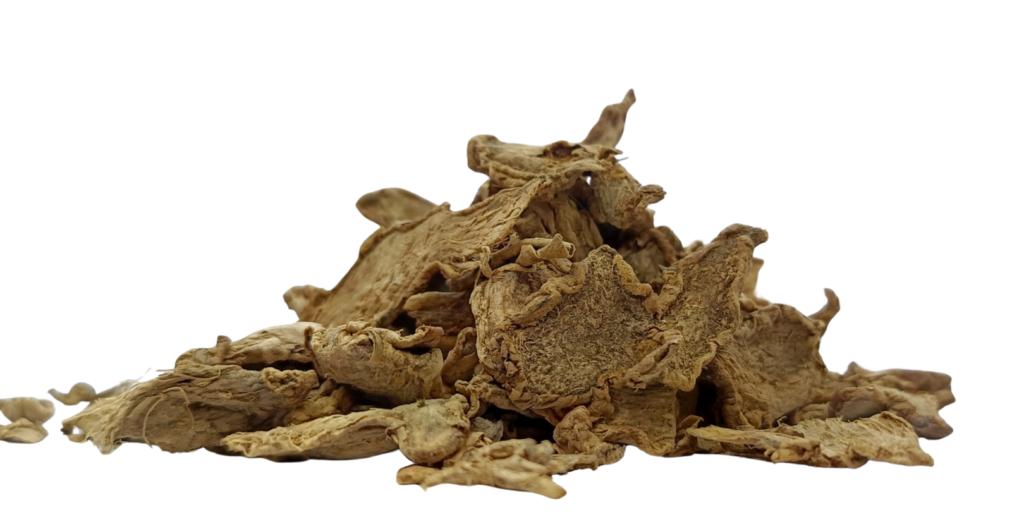
Ginger is a perennial plant, but is cultivated annually for its rhizomes. It is usually planted with the onset of the monsoon and takes 8 to 9 months to mature. An acre yields 6 to 10 tonnes of fresh ginger, which, after processing, gives 1.6 to 2.5 tonnes of dried ginger. Post-harvest involves washing, slicing, and drying the rhizomes until their moisture content is less than 10%. Ginger is highly pest-prone and vulnerable to diseases like soft rot and bacterial wilt. It also requires intensive labor for mulching, weeding, and hand harvesting. Organic cultivation is especially difficult because there are no reliable methods for managing soft rot, yet. Also, farmers often struggle with soil fertility and drainage. Export standards for pesticide residues are strict, making compliance another challenge.
Discover the science and story behind our herbs. Enter your email to receive the Herbarium document.
From the fields where they’re grown to the shelves where you find them, every herb we use is traceable. Learn how we ensure quality, fairness, and sustainability in every step of the process from seed to ship.
Follow the journey of our organic ginger from farms in Tamil Nadu to Herb Artizan’s GMP-certified facility. This short film captures each step from cleaning and cutting to drying and quality testing. See how careful sourcing, processing and ISO-17025 lab testing come together to deliver consistent flavor and quality.