Fenugreek

Trigonella foenum graecum L.

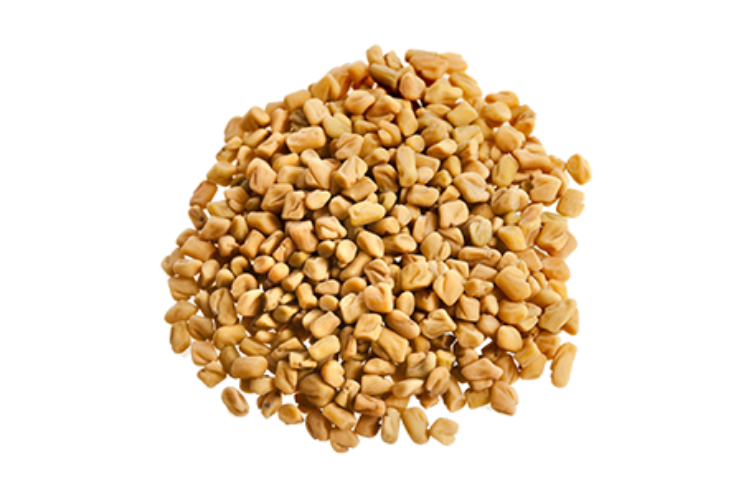
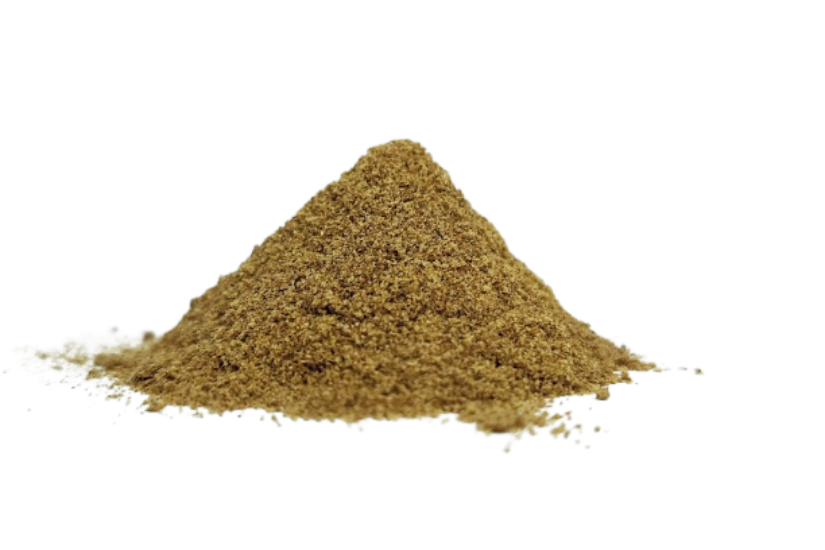
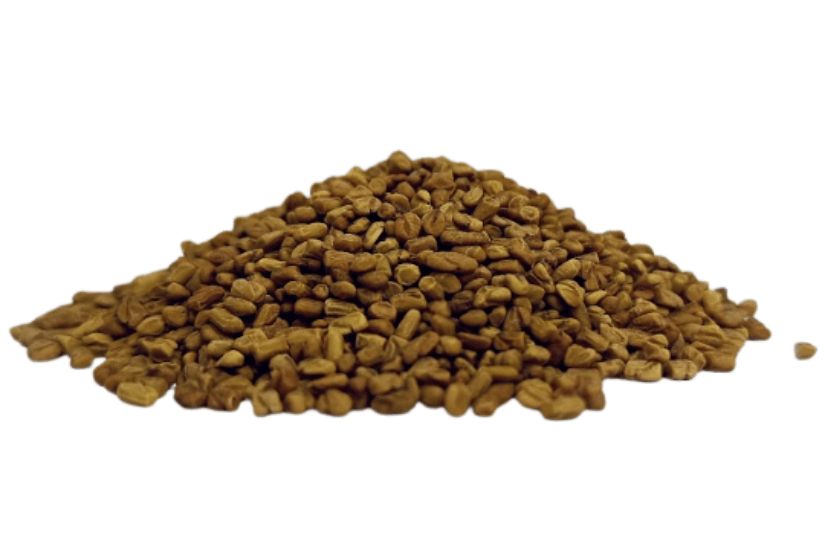
Fenugreek is widely grown in India, especially in Rajasthan and Gujarat. The seeds smell like maple due to sotolon. They are bitter at first, then sweet. Galactomannans contribute soluble fiber; 4-hydroxyisoleucine and saponins are also present. Leaves (methi) are eaten fresh or dried. And seeds are roasted, cracked, or ground for spice mixes, pickles, and traditional foods. Proper roasting softens bitterness and deepens flavor

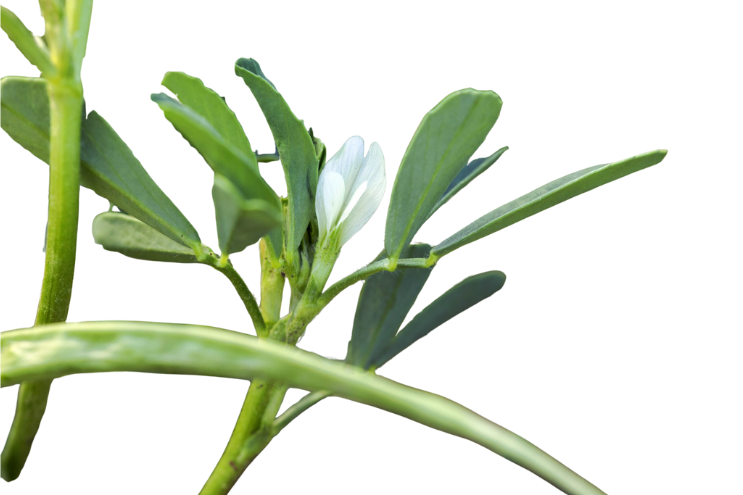
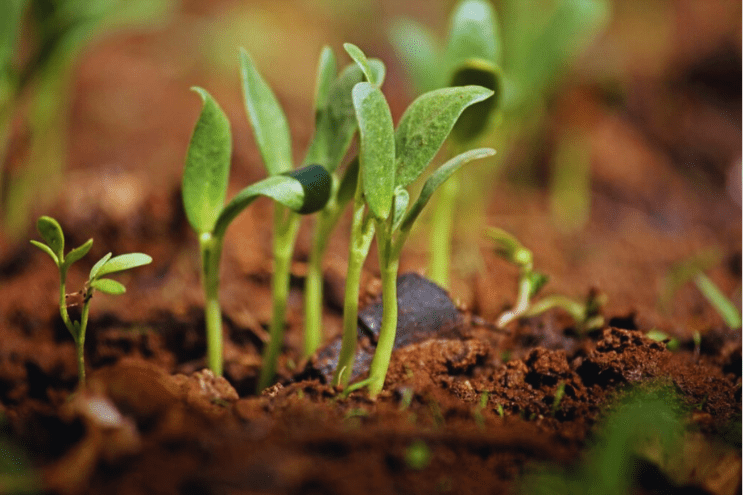
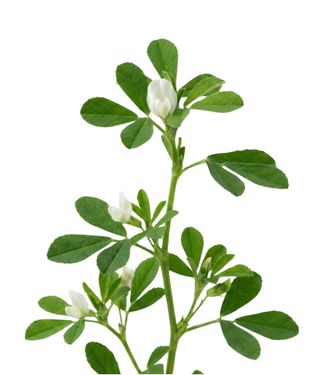
Trigonella foenum-graecum plant
Trigonella foenum-graecum – Ayurvedic methi
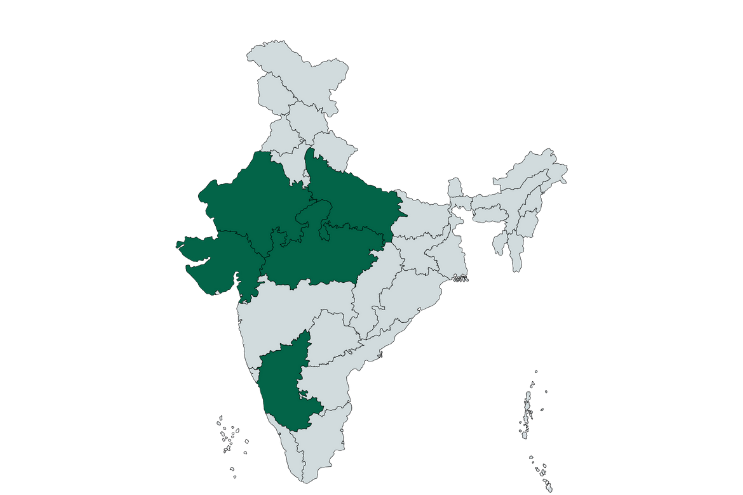
Map of India showing major fenugreek (methi) growing states in dark green
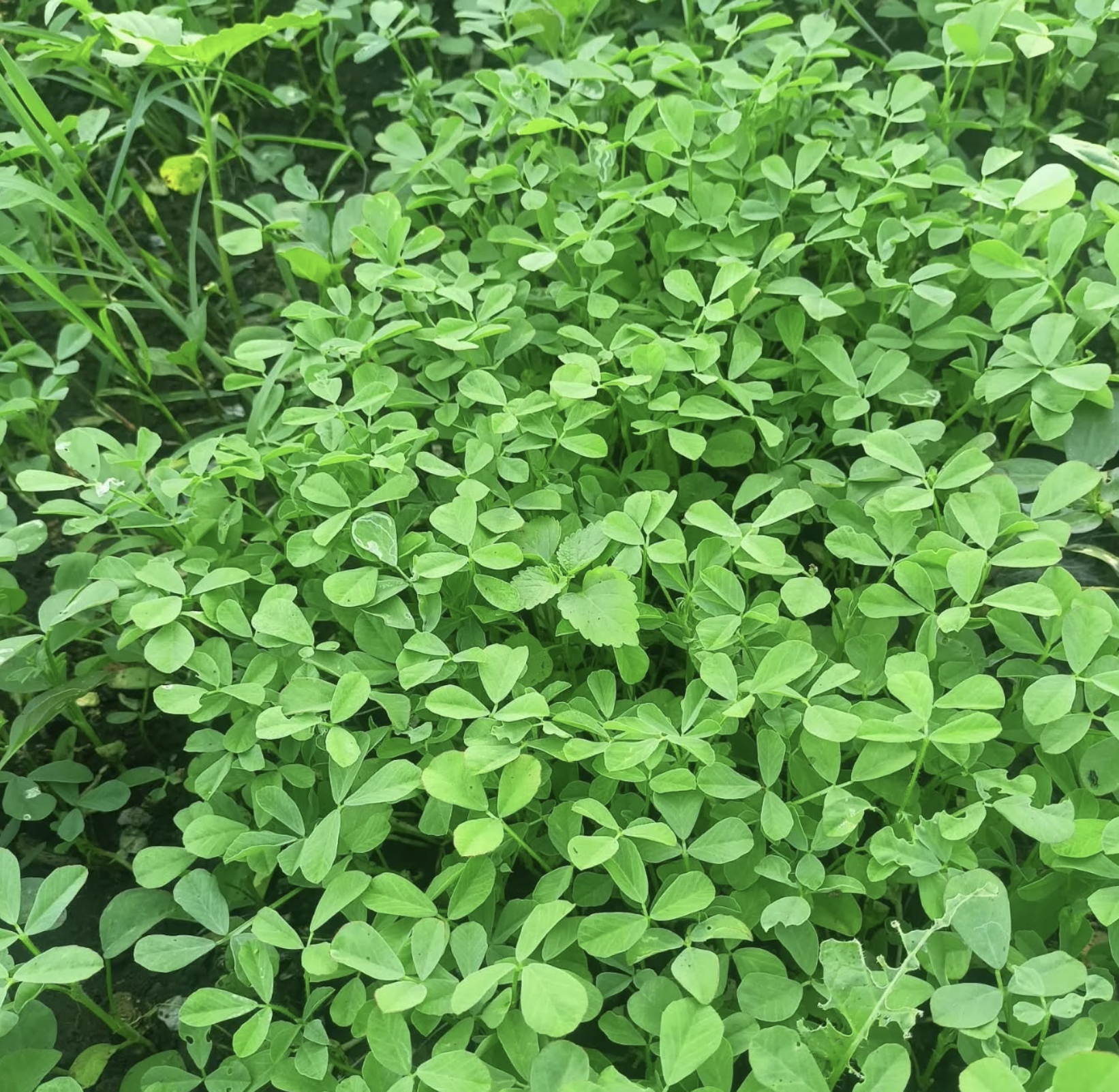
Organic fenugreek farm field (Trigonella foenum-graecum) with dense green methi plants in rows

Product Types

Line
Line
Line
Line
Line
Line
Line
Line

Certifications

More Information

Methi Seeds – Ayurvedic Digestive & Blood Sugar Support

Fenugreek is a cool-season annual crop grown primarily across Rajasthan, Gujarat, Madhya Pradesh, and Uttar Pradesh. It is sown in October–November and harvested between March and April, maturing in around 80–100 days.

The crop thrives in well-drained loamy soils across low to moderate rainfall regions. It is frost-tolerant and generally requires little to no pesticide use, making it a relatively low-maintenance crop. Waterlogging is the primary concern to avoid, and powdery mildew is the main disease risk to watch for.

After harvest, plants are threshed and seeds dried before storage. An acre typically yields 480–600 kg of seed.
Herbarium

Pressed plant material. Enter your email to receive the Herbarium document.

Quality Map

Compilation of global pharmacopoeia standards. Enter your email to receive the Quality Map for this plant.

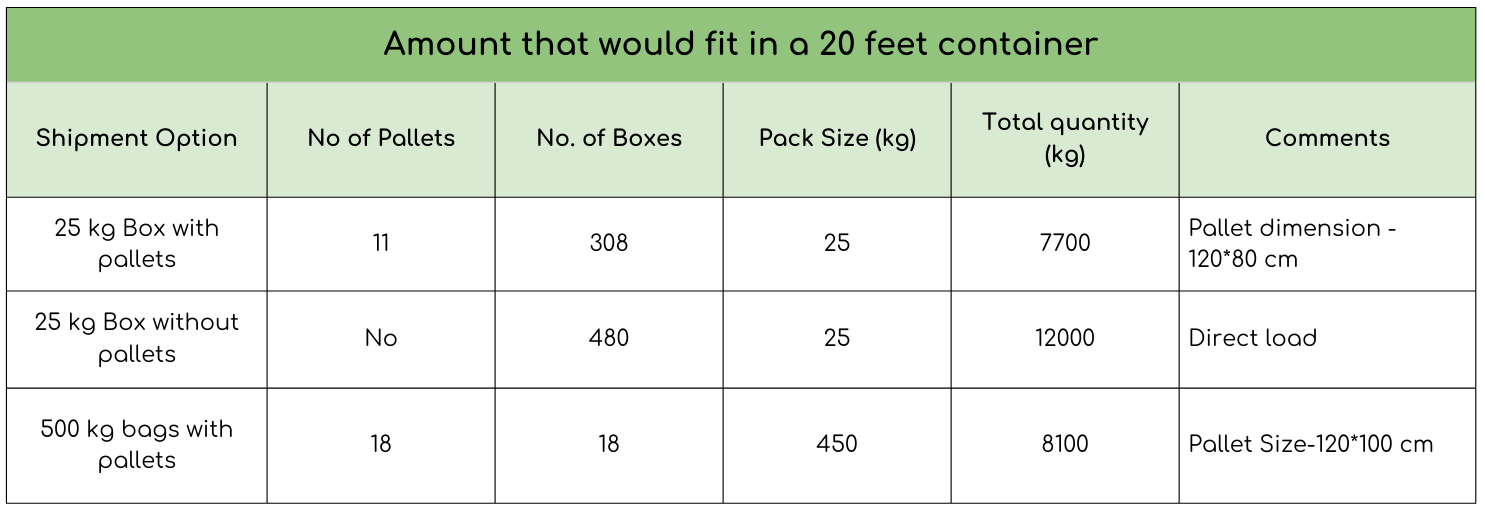
Packaging Details

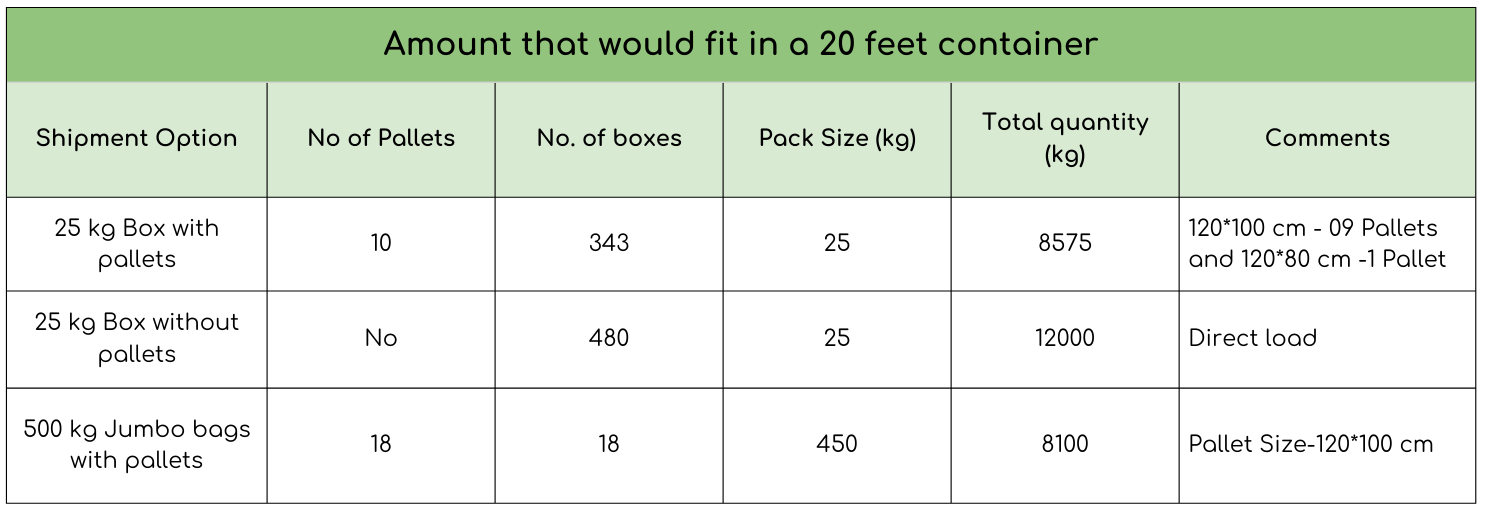
20ft container shipment capacity table

Note: These are approximates based on our standard specification for tea bag cut. Changes in particle size or bulk density will affect the packing quantities.

20ft Container Load Guide

Note: These are approximates based on our standard specification for tea bag cut. Changes in particle size or bulk density will affect the packing quantities.

Trace the Journey of Our Herbs

From the fields where they’re grown to the shelves where you find them, every herb we use is traceable. Learn how we ensure quality, fairness, and sustainability in every step of the process from seed to ship.