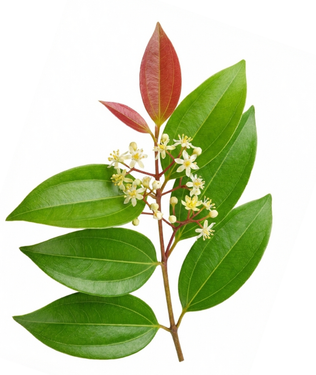
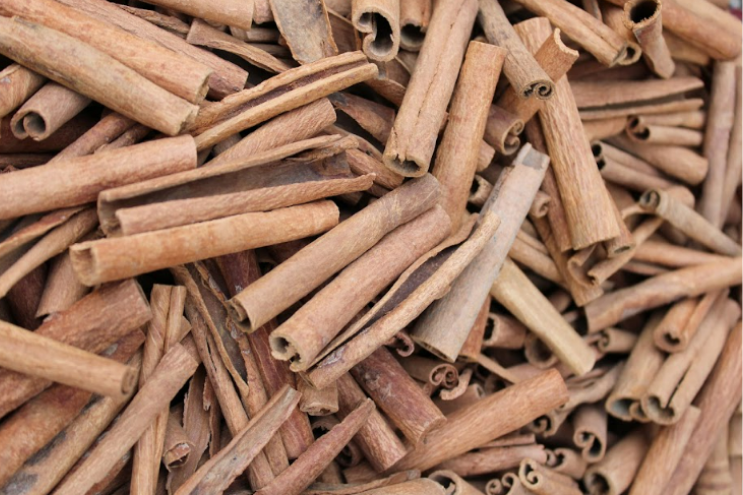
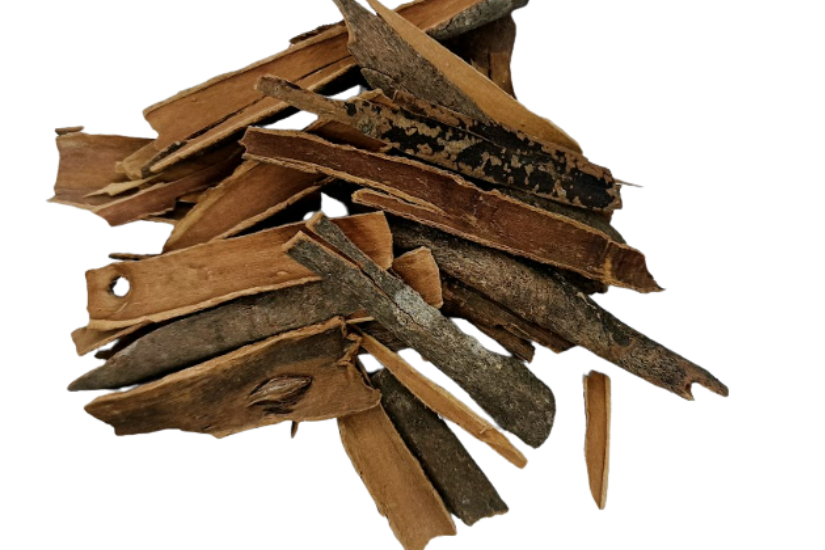
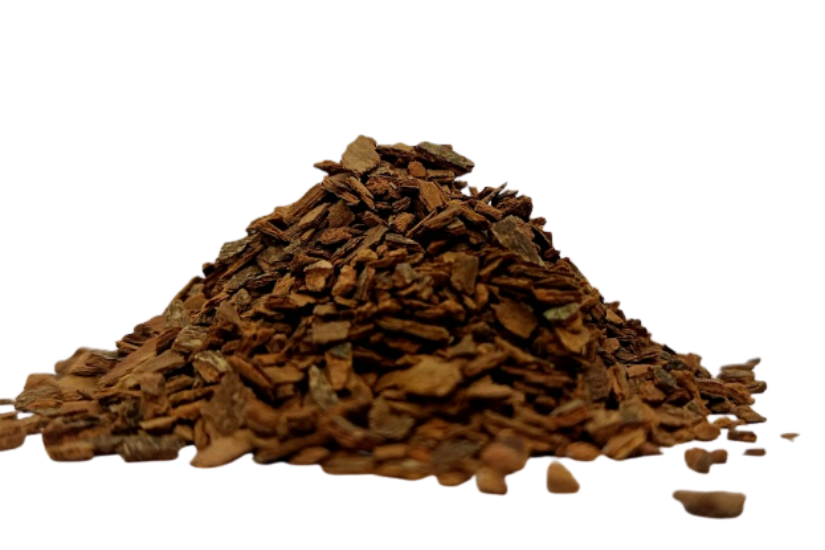
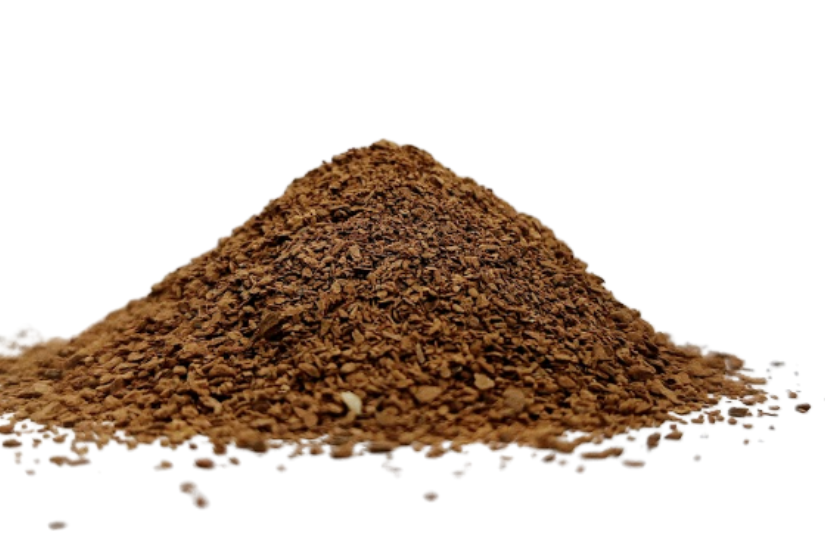
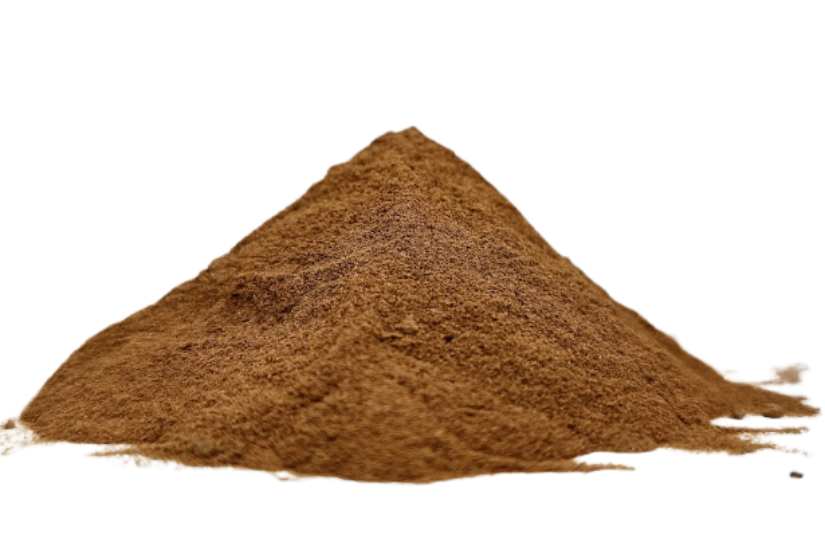
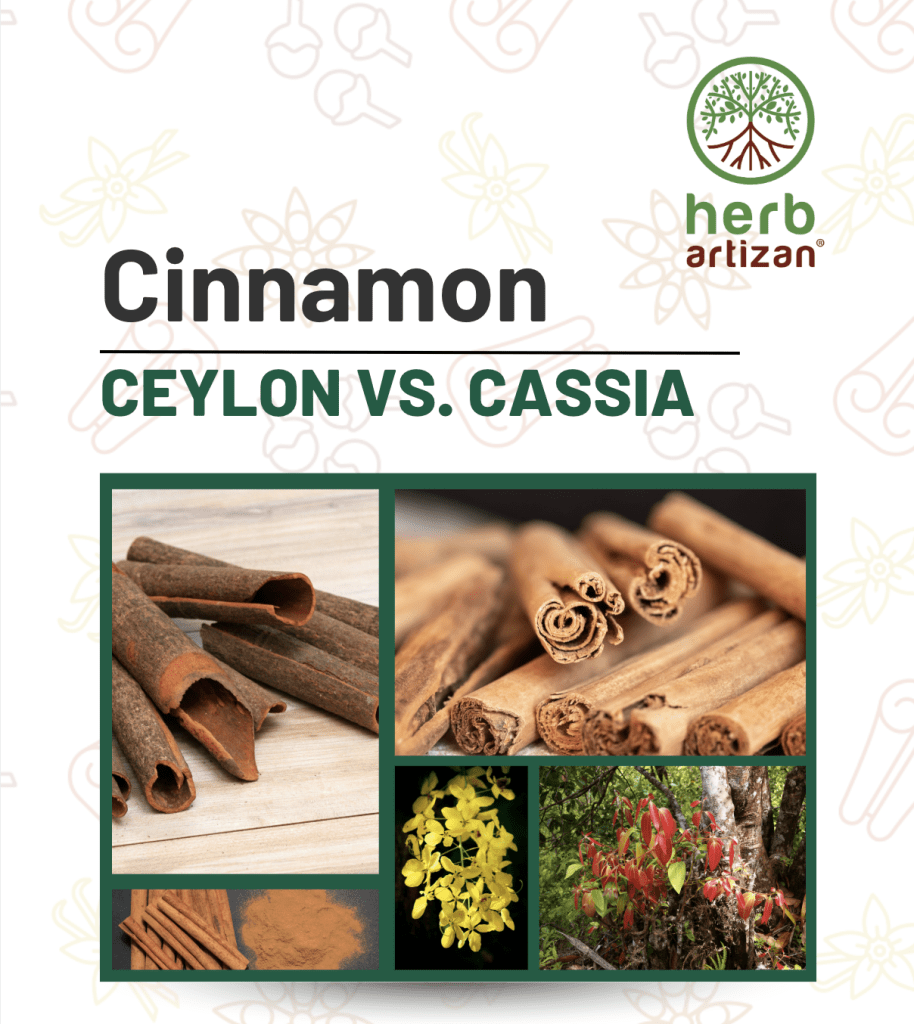
Called dalchini in India, cinnamon is used in Indian cooking and trade. Cassia-type cinnamon is warm, sweet, and a little peppery. Cinnamaldehyde drives the aroma and taste; coumarin levels vary by species and origin. India uses both cassia and true cinnamon, with cassia common in spice blends, bakery, and confectionery. And because oil content influences flavor strength, many specifications reference volatile oil percentages. Sticks and ground forms are both widely used.
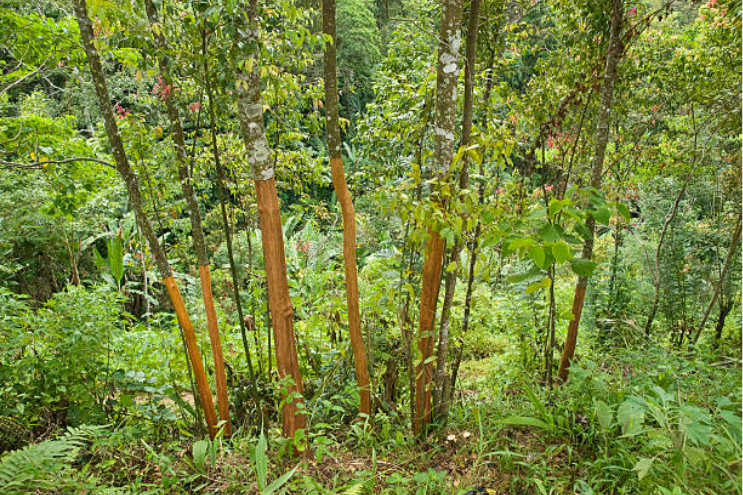
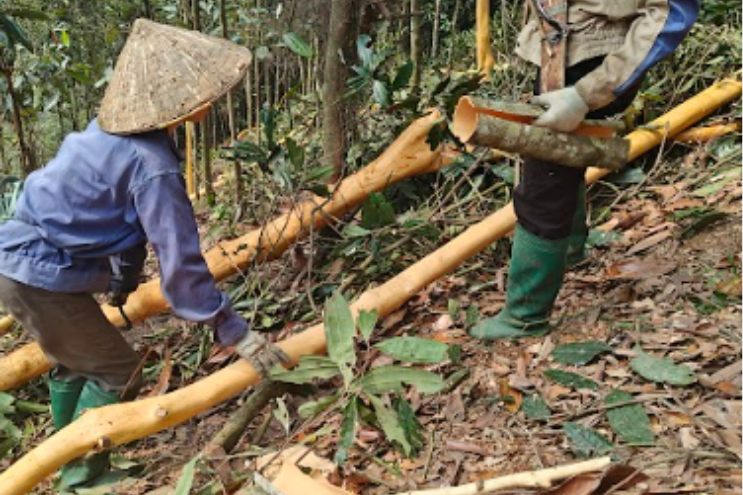
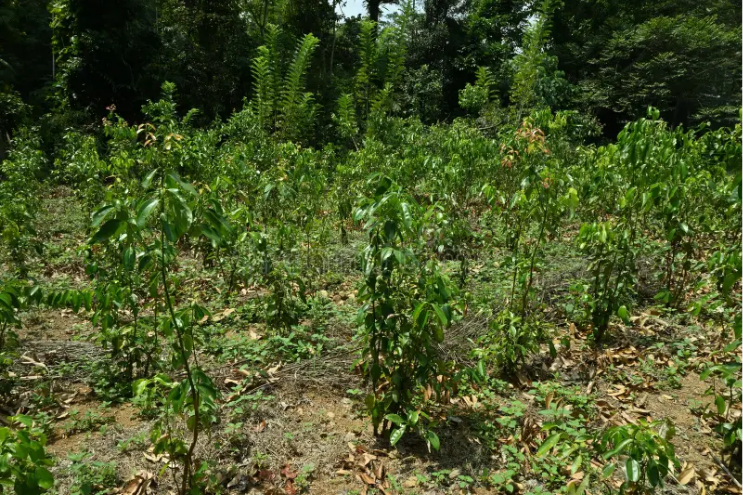
Cinnamon is managed as a bush rather than a tall tree. Farmers cut back the main stem after two years to allow multiple shoots to grow, which are then harvested. The first harvest comes after 4 to 5 years, and later harvests happen every 18 to 24 months. It prefers a warm, humid climate with well-drained sandy soil. A well-maintained acre yields about 80 kilograms of dried bark quills and 14 kilograms of leaf oil each year. The bark must be scraped and dried within a few days of harvest so that it curls into the familiar quills. Main challenges include shoot borers, dieback disease, and root rot if soil drainage is poor.
Discover the science and story behind our herbs. Enter your email to receive the Herbarium document.
From the fields where they’re grown to the shelves where you find them, every herb we use is traceable. Learn how we ensure quality, fairness, and sustainability in every step of the process from seed to ship.