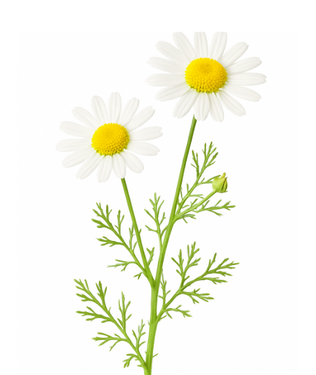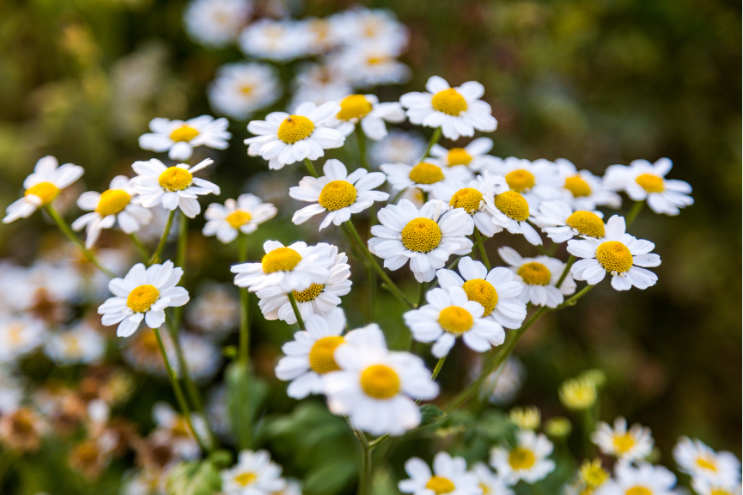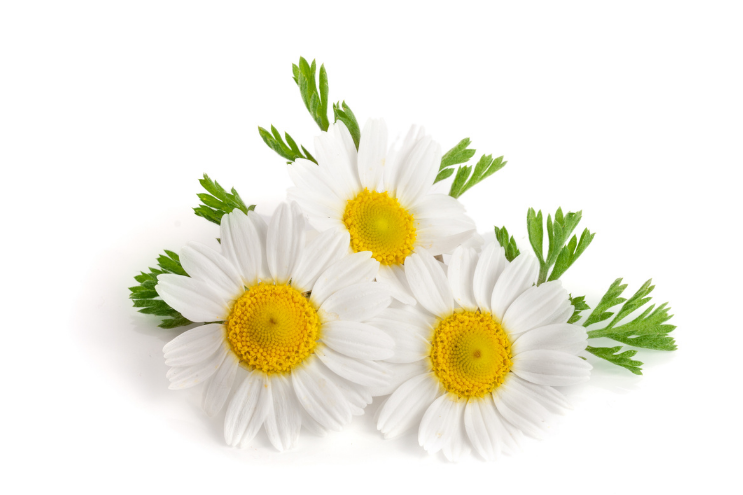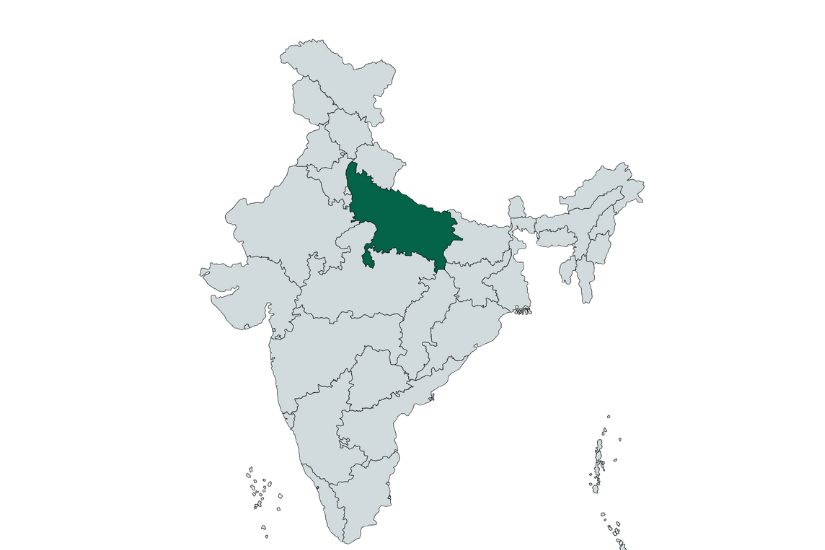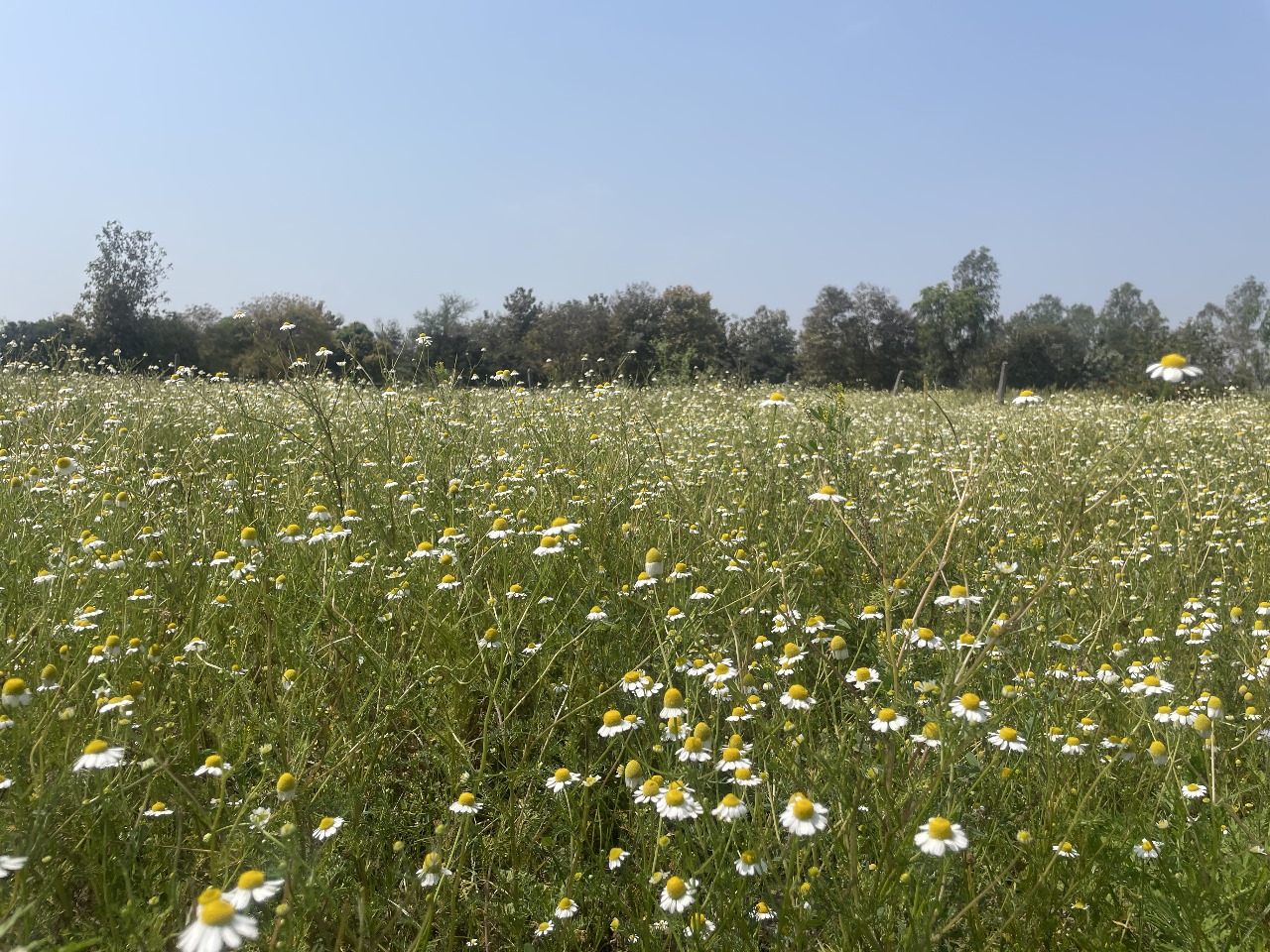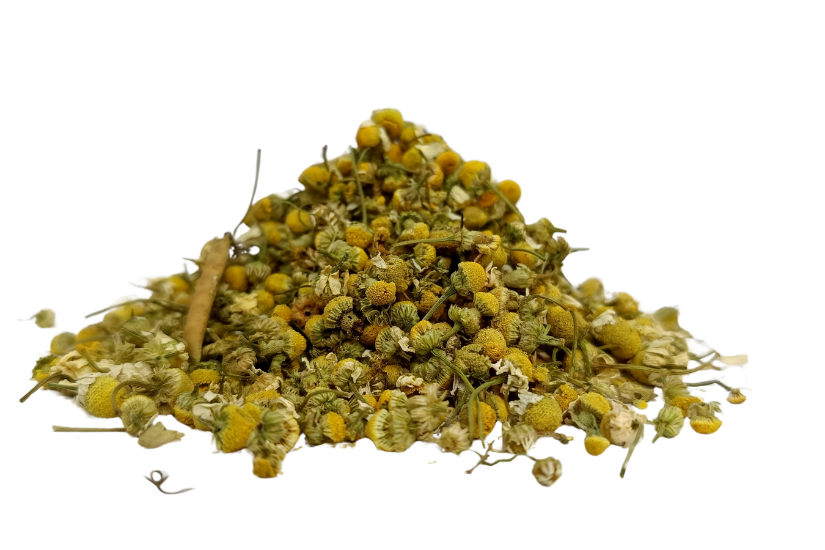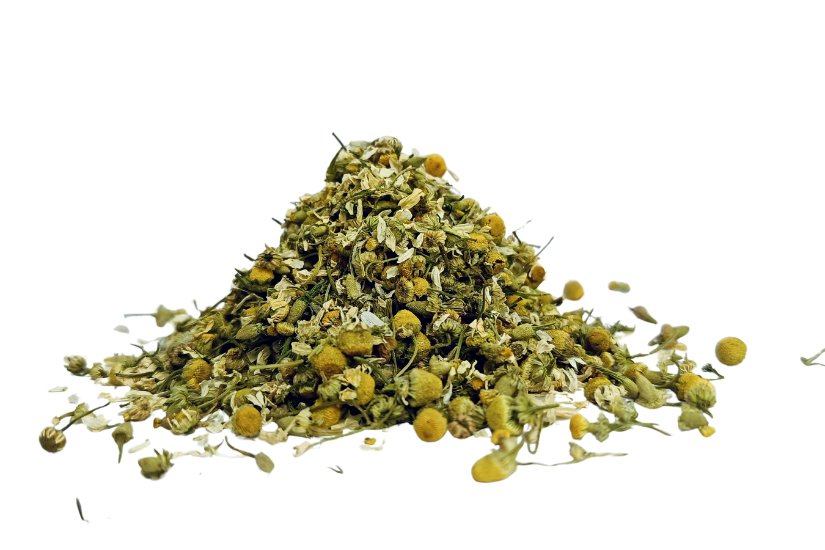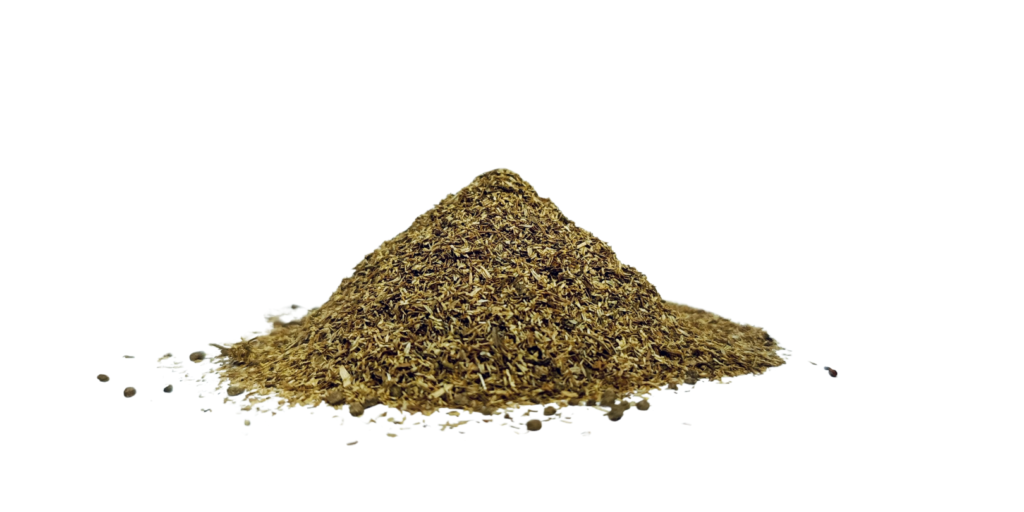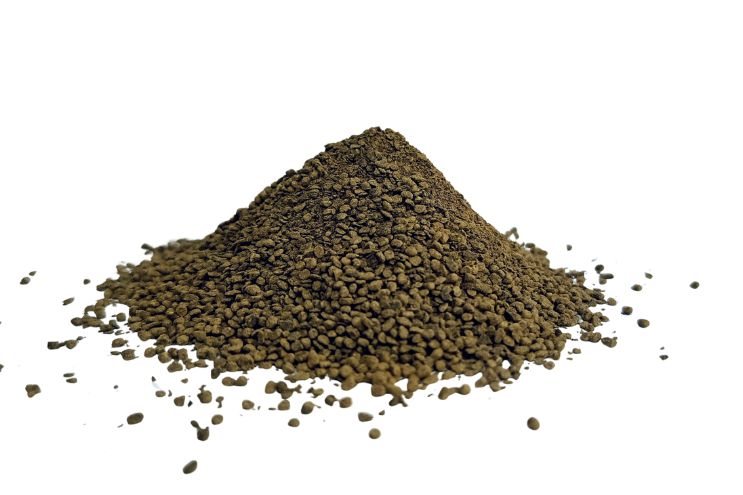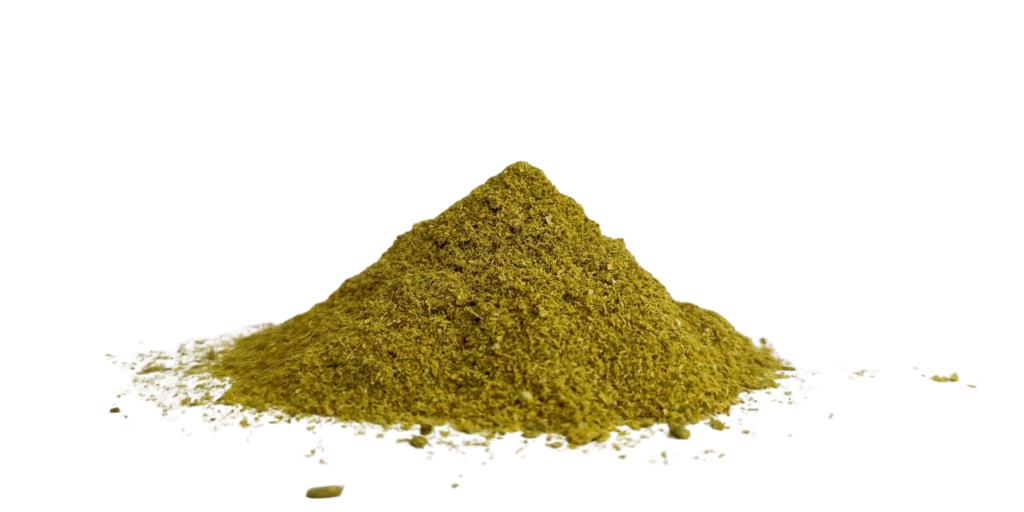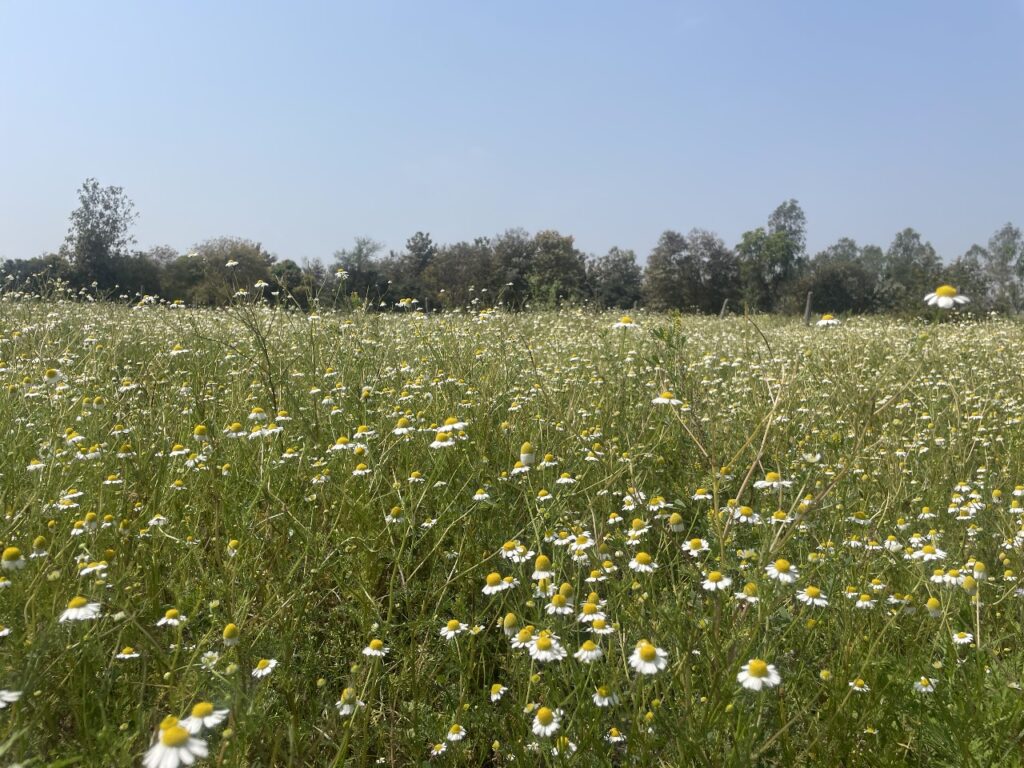
Chamomile is now grown in parts of India, though its roots are European. It carries a soft apple-like scent. Apigenin and bisabolol are key constituents; chamazulene develops during distillation or heat. Whole heads or select cuts are used in infusions and foods. It’s recognized in several pharmacopeias, which helps standardize identity and purity. Color ranges from pale to rich yellow depending on harvest and drying.

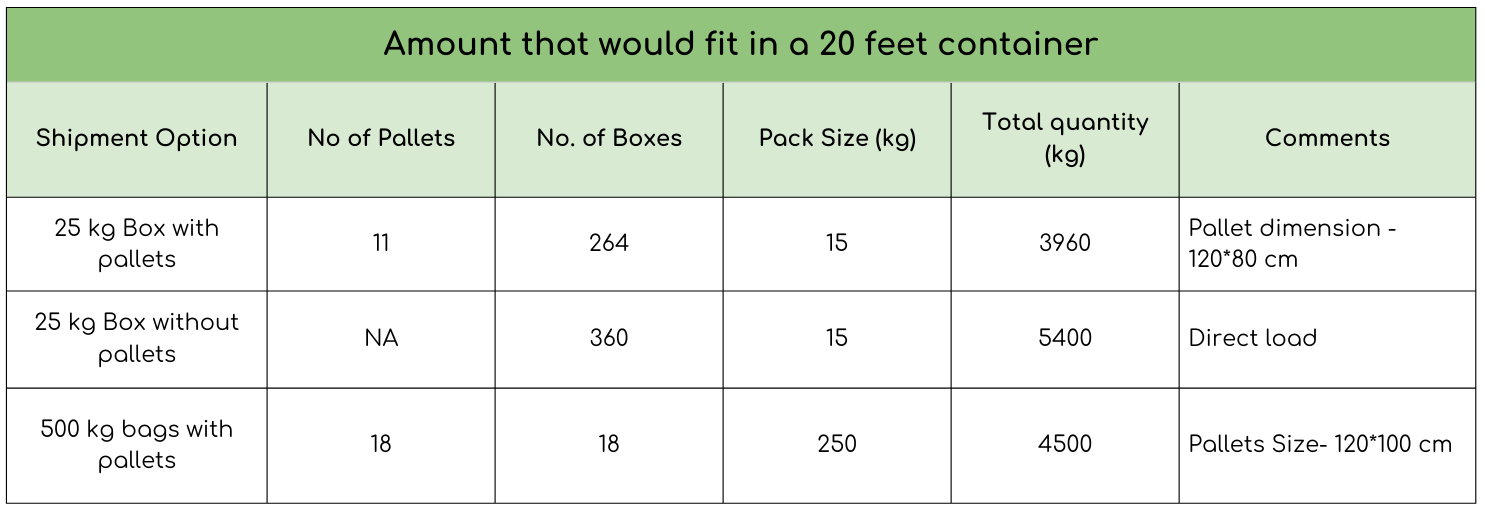
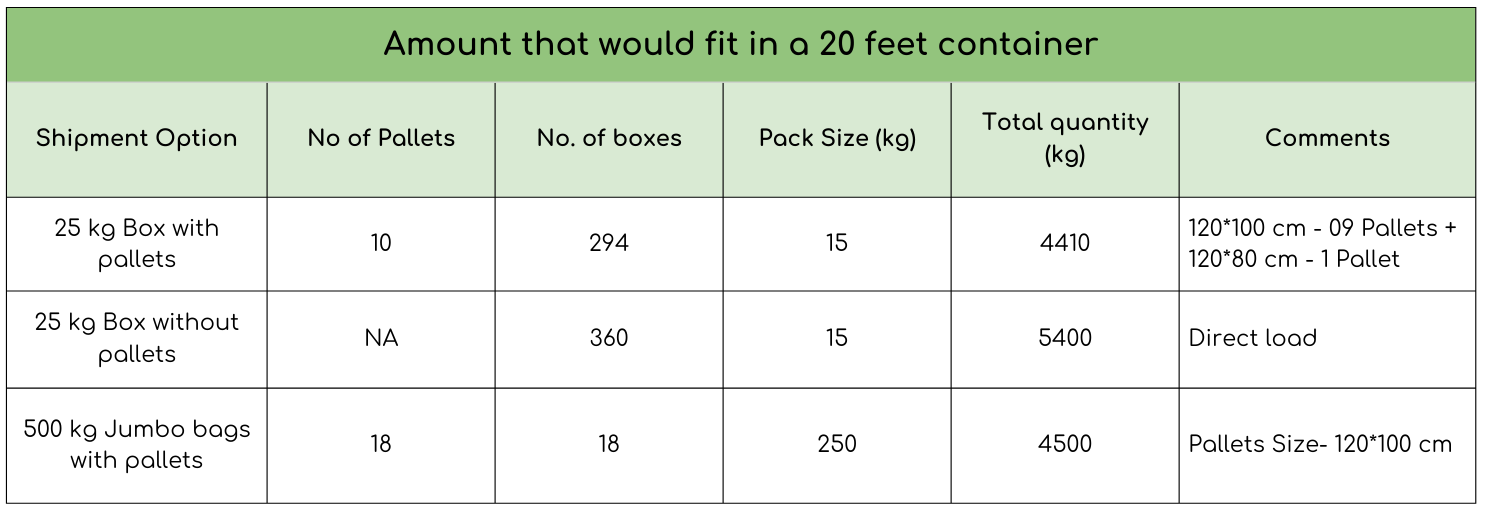
Chamomile is an annual crop that prefers cool conditions. Depending on the region, it may be harvested within 4 to 6 months, but in some areas growers report longer cycles of up to 8 or 9 months. Flowering lasts for 50 to 65 days, and flowers must be picked regularly as they bloom. An acre produces about 2.4 tonnes of fresh flowers, which dry down to 400 to 600 kilograms. Flowers are dried in the sun to preserve their natural compounds. Harvesting is very labor-intensive, and because the flowers are light, transport is inefficient — trucks carry far less weight than they would with denser crops. Prices can also fluctuate sharply if buyers wait until mid-season.

Discover the science and story behind our herbs. Enter your email to receive the Herbarium document.
From the fields where they’re grown to the shelves where you find them, every herb we use is traceable. Learn how we ensure quality, fairness, and sustainability in every step of the process from seed to ship.