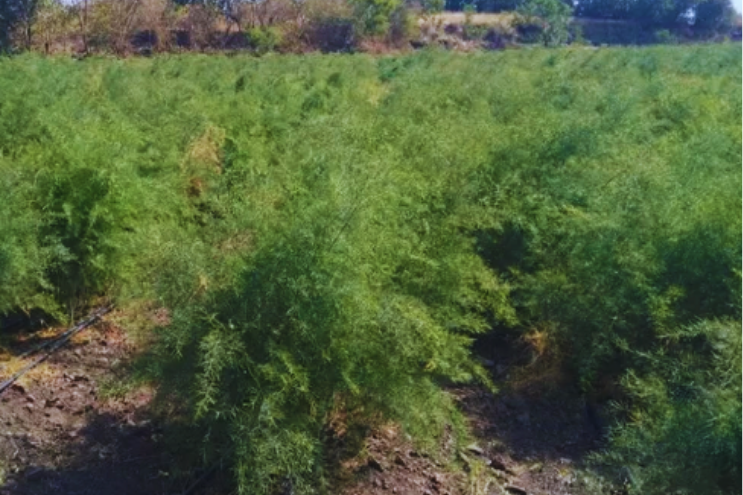
Shatavari

Asparagus racemosus Willd.

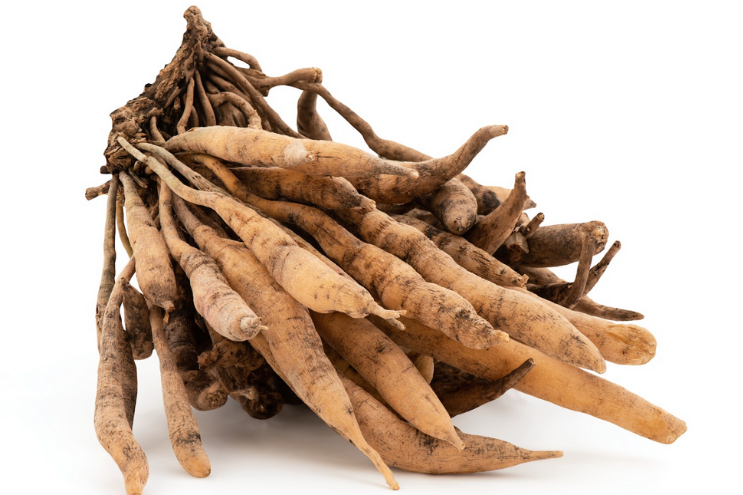
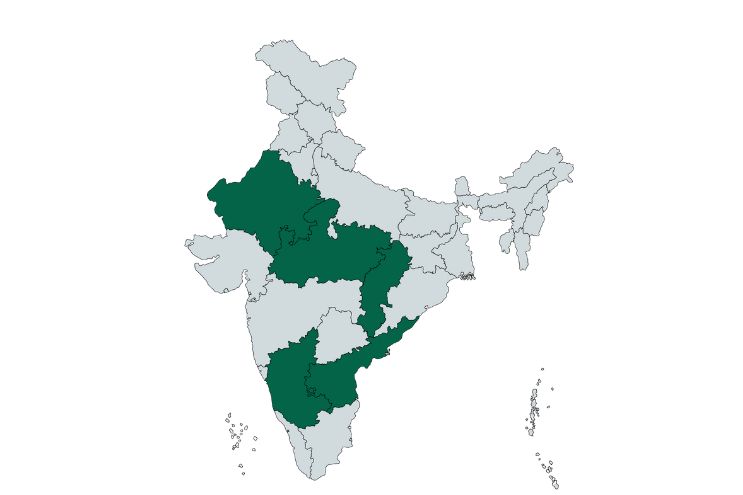
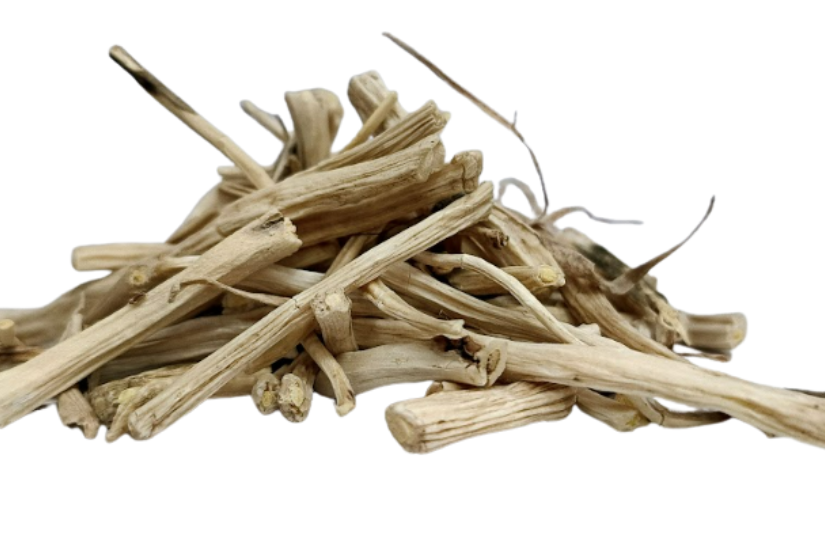
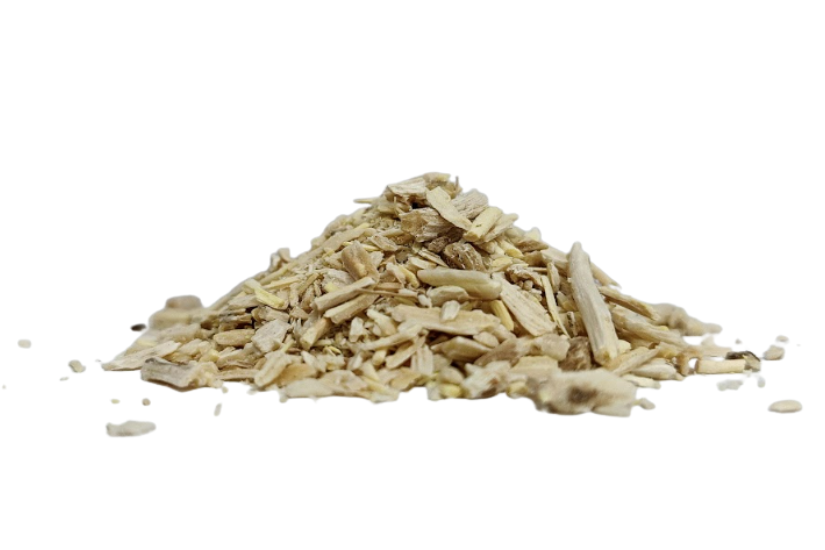
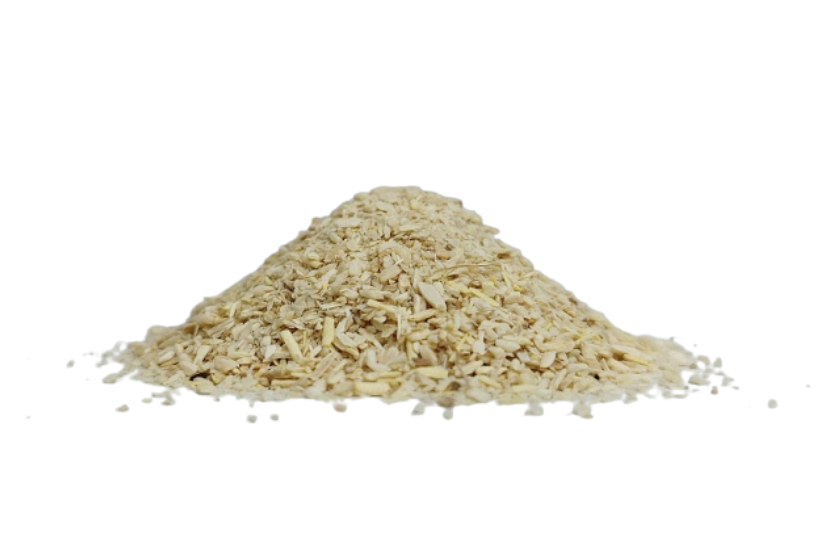
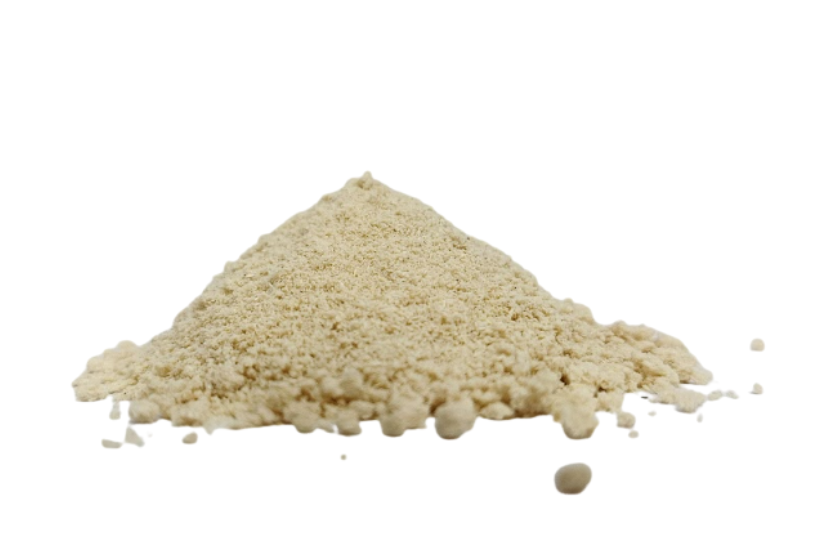
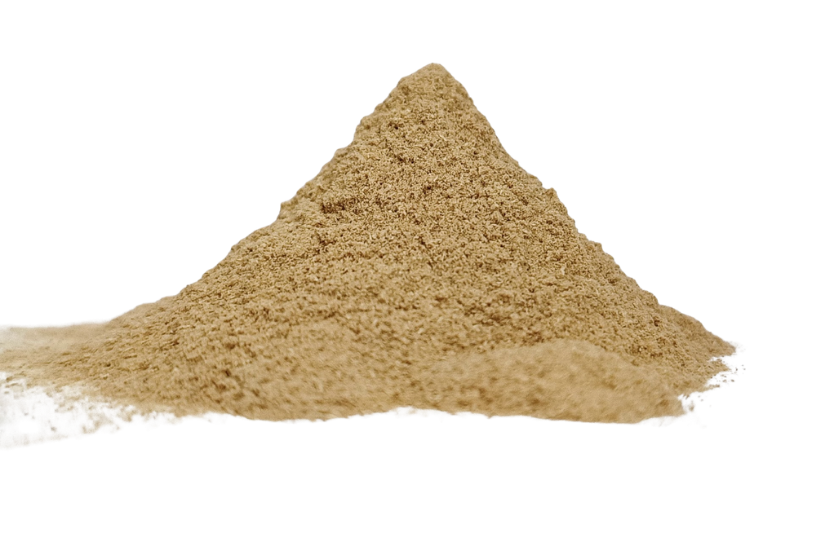
Shatavari is native to the Indian subcontinent and has been used for centuries in Ayurveda. The name means “she who possesses a hundred husbands,” reflecting its long association with women’s life stages. The root is starchy and mildly sweet. Key constituents include steroidal saponins (shatavarins), mucilage, and polyphenols. And its gentle taste makes it easy to work into foods and traditional preparations. In India it is cultivated in several states and dried roots are milled into uniform powders or cut sizes for different applications.

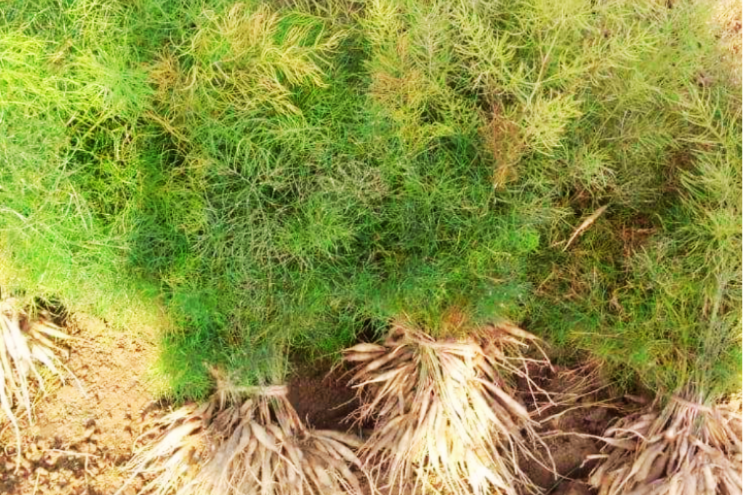
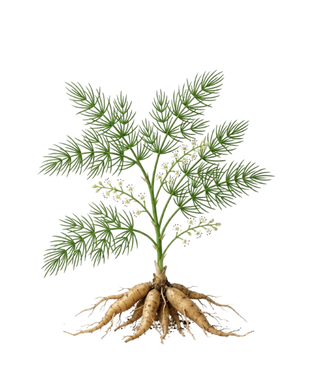
Asparagus racemosus Shatavari plant with phylloclades, white flowers, and tuberous roots
Shatavari plant (Asparagus racemosus) with feathery green foliage, white flower spikes, and tuberous roots in soil
Where Shatavari Grows in India – Map
Shatavari plant (Asparagus racemosus) with feathery green foliage, white flower spikes, and tuberous roots in soil

Product Types

Line
Line
Line
Line
Line
Line
Line
Line

Certifications

More Information

Shatavari Asparagus racemosus plant showing roots and flowers – Ayurvedic women's tonic

Shatavari is a thorny, climbing plant grown across tropical and subtropical regions of India. It performs best in tropical to semi-arid climates and prefers sandy or medium black soils with good drainage.

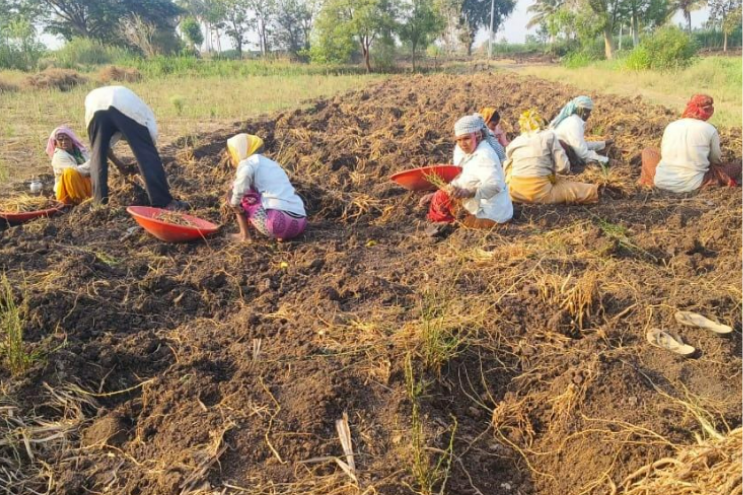
The crop requires time and patience. Commercial harvest typically occurs 18–24 months after planting. Longer crop cycles are mentioned in literature but are rarely practical for farmers. An acre yields around 4–5 tonnes of fresh roots, which dry down to 600–1,000 kg, as the roots contain nearly 85% moisture.

Post-harvest processing varies widely and is a key challenge. In most regions, roots are boiled after harvest. Peeling practices differ by location, and inconsistent handling can lead to yield loss and variable quality. Drying is usually done in the sun, as slow or poorly managed shade drying can increase fungal risk.

Trade terms such as “yellow” and “white” Shatavari are commonly used but do not represent standardized varieties. They reflect regional practices rather than botanical differences, which complicates quality control.

Shatavari is vulnerable to aphids and root rot, particularly under excess irrigation. Although often described as perennial, once the roots are harvested the plant does not regenerate, making it a single-harvest crop in commercial cultivation.

Unlock the Herbarium

Discover the science and story behind our herbs. Enter your email to receive the Herbarium document.

Explore the Quality Map

Learn how we ensure ethical sourcing and transparency. Enter your email to receive the Quality Map document.

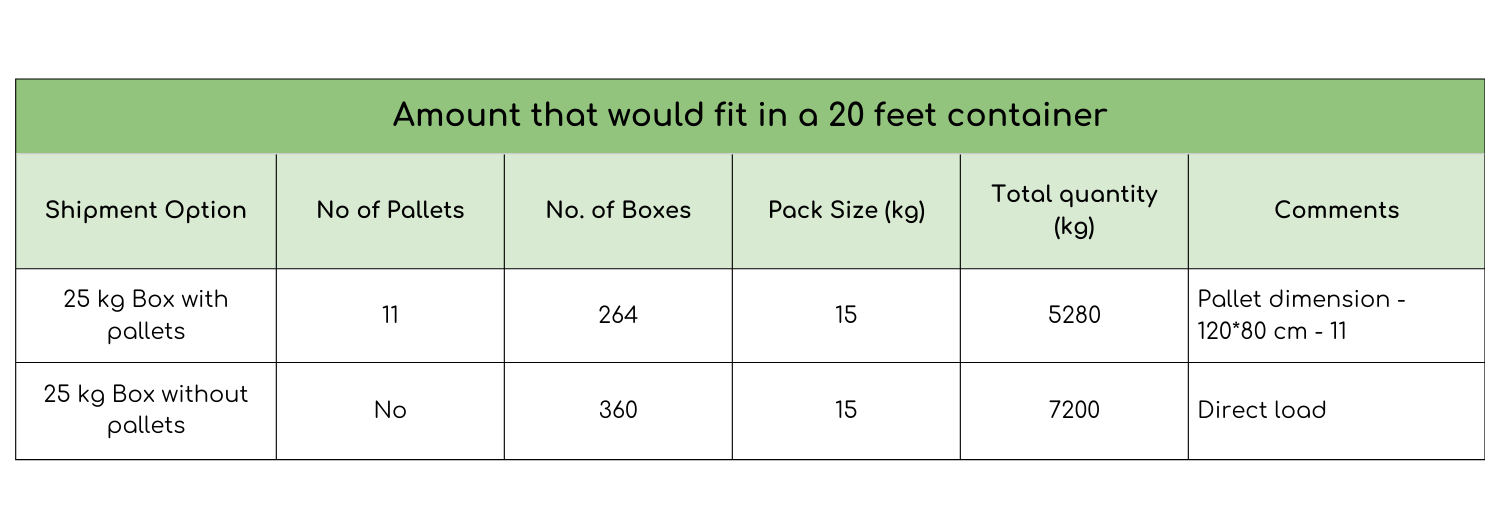
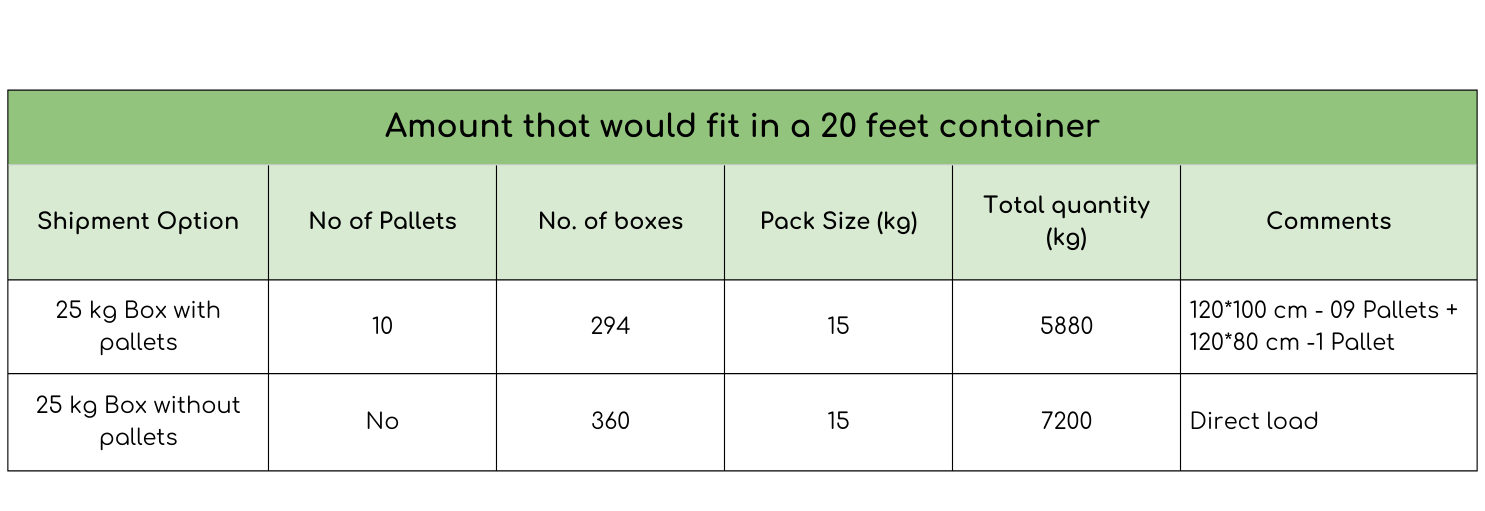
Packaging Details

Foot Container Load Chart – Box

Note: These are approximates based on our standard specification for tea bag cut. Changes in particle size or bulk density will affect the packing quantities.

20ft container maximum load – boxes

Note: These are approximates based on our standard specification for tea bag cut. Changes in particle size or bulk density will affect the packing quantities.

Trace the Journey of Our Herbs

From the fields where they’re grown to the shelves where you find them, every herb we use is traceable. Learn how we ensure quality, fairness, and sustainability in every step of the process from seed to ship.

Explore Our Range of Products

Shatavari
Asparagus racemosus Willd.
Cinnamon
Cinnamomum cassia (L.) J. Presl.
Lemongrass
Cymbopogon citratus (DC.) Stapf
Cardamom
Elettaria cardamomum (L.) Maton
Chamomile
Matricaria chamomilla L.