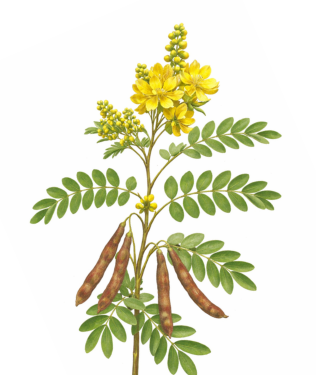
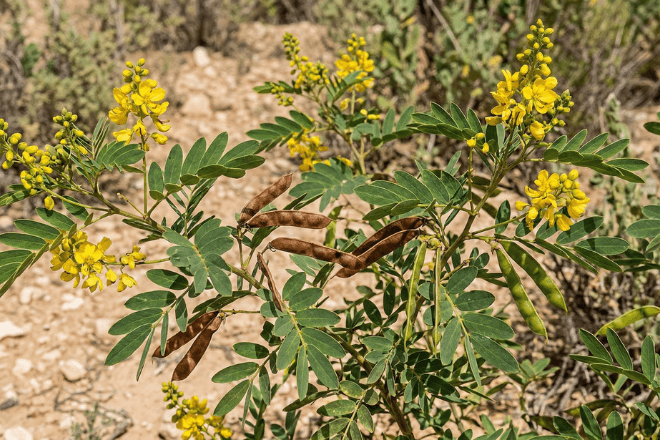
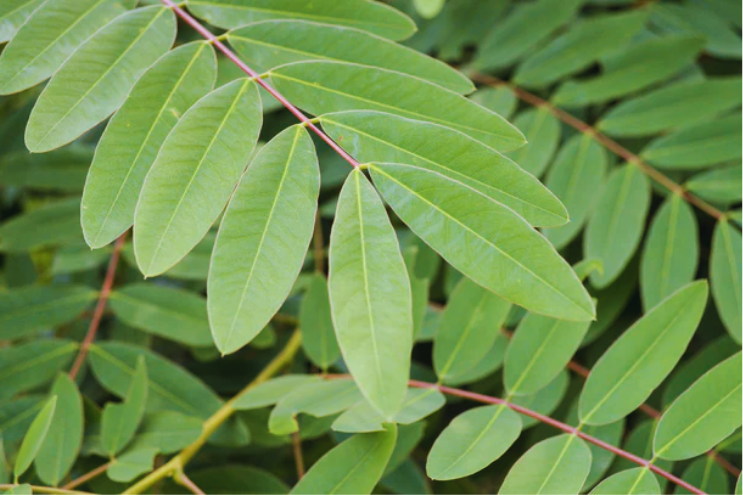
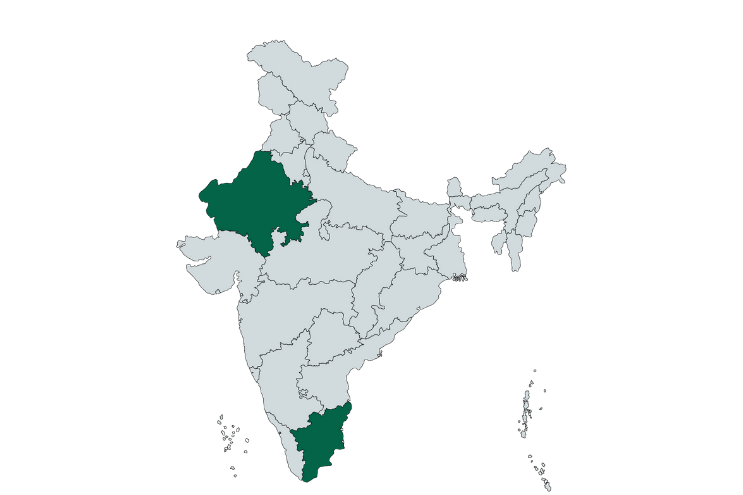
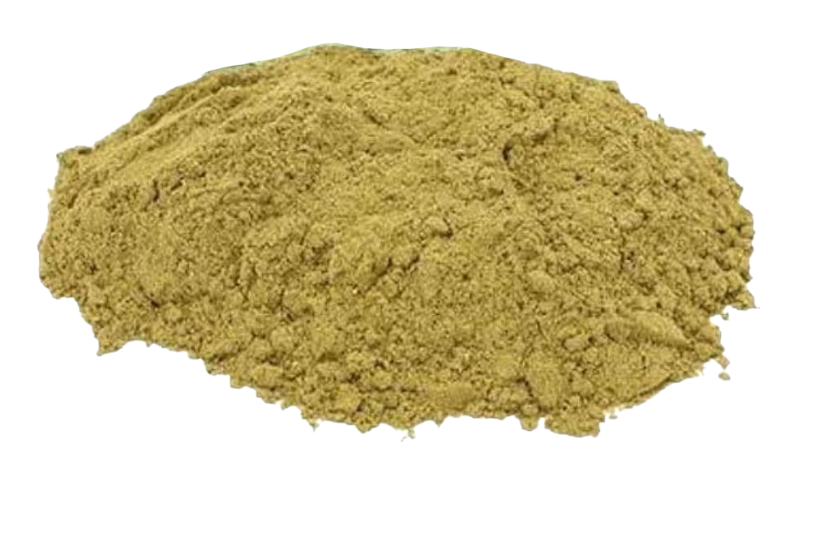
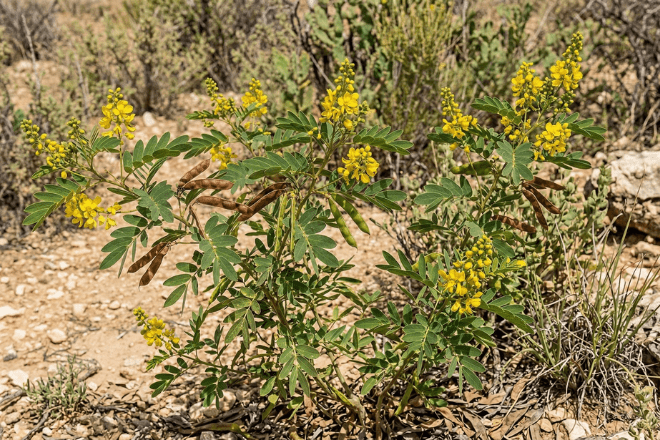
Senna is widely grown in Tamil Nadu and Rajasthan, historically known as Tinnevelly senna. Leaves and pods contain anthraquinone glycosides, chiefly sennosides A and B. The plant has a long record in traditional systems and is listed in major pharmacopeias. Harvest timing affects glycoside levels, so maturity and drying are important. And clear sorting reduces stem content for consistent leaf grades. It is used in regulated herbal products and traditional formulations.
We are yet to perform the Nutritional Analysis for the raw material
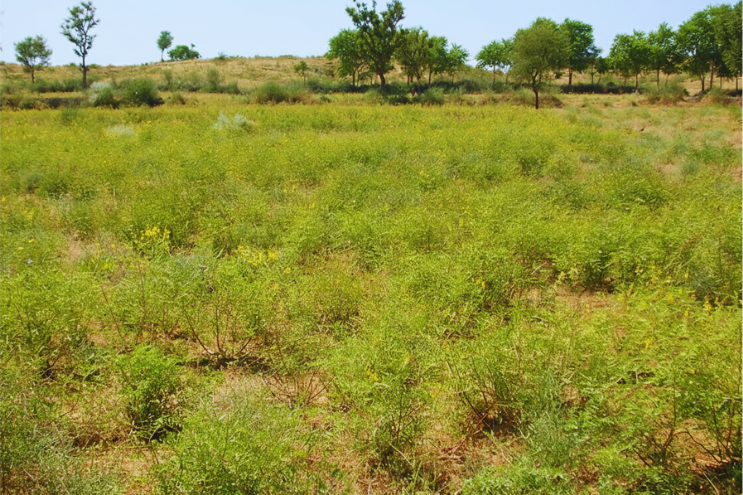
Senna is a small shrub cultivated as an annual or semi-annual for its leaves and pods. It can be sown in January–February or June–July and matures in 5 to 6 months. Farmers usually take three harvests per crop cycle. Irrigated fields yield about 560 kilograms of leaves and 60 kilograms of pods per acre. After harvest, material is sun-dried. Senna is hardy but does not tolerate waterlogging. Weeding is important in the early stages, and leaf-eating caterpillars can sometimes damage the crop.
Discover the science and story behind our herbs. Enter your email to receive the Herbarium document.
From the fields where they’re grown to the shelves where you find them, every herb we use is traceable. Learn how we ensure quality, fairness, and sustainability in every step of the process from seed to ship.